
Last updated November 15, 2026
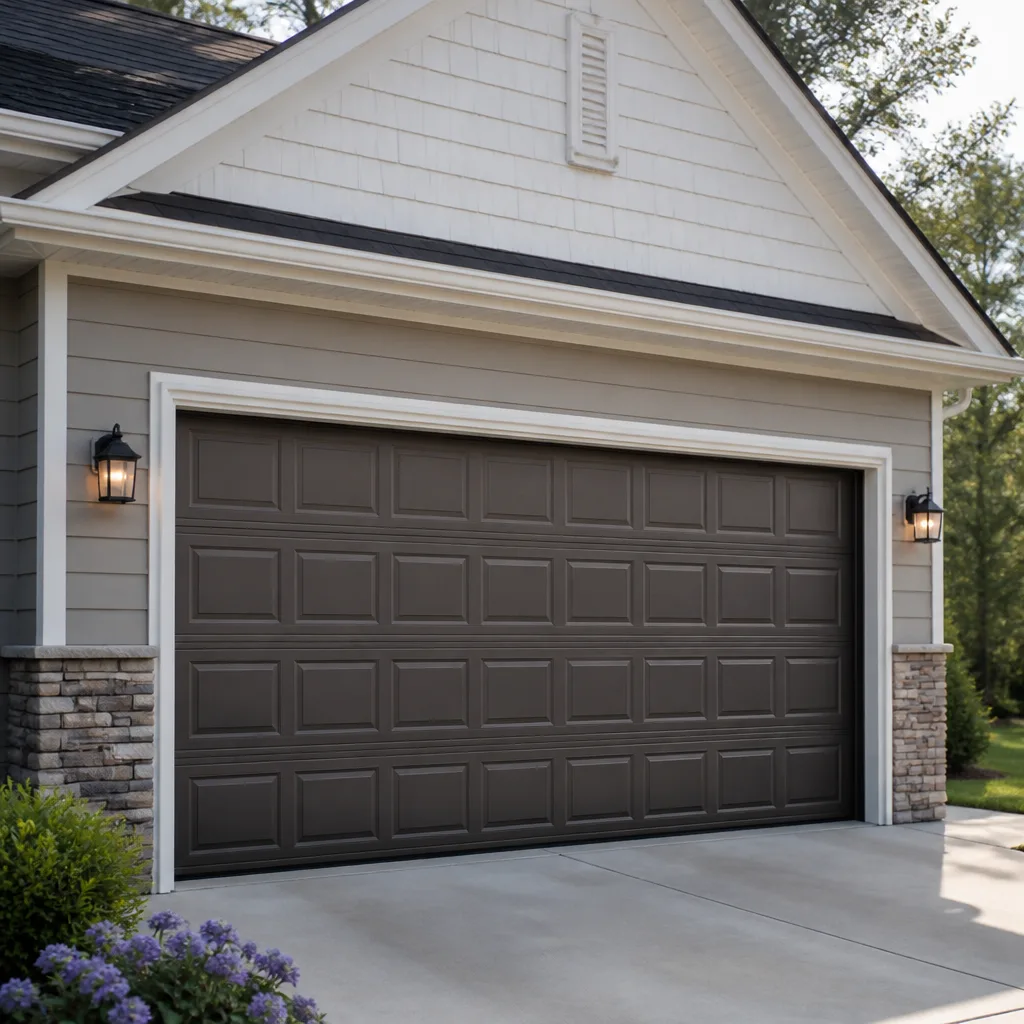 Raised-panel steel
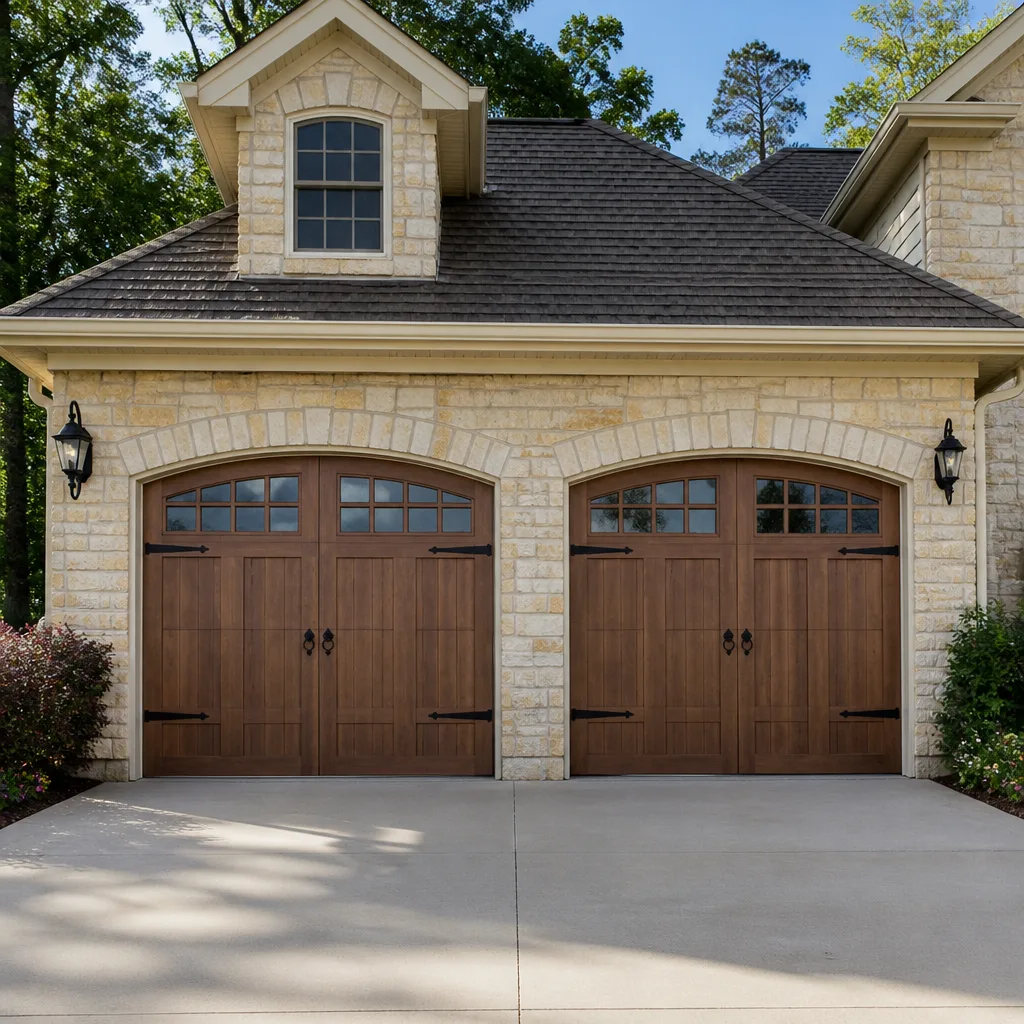 Carriage house
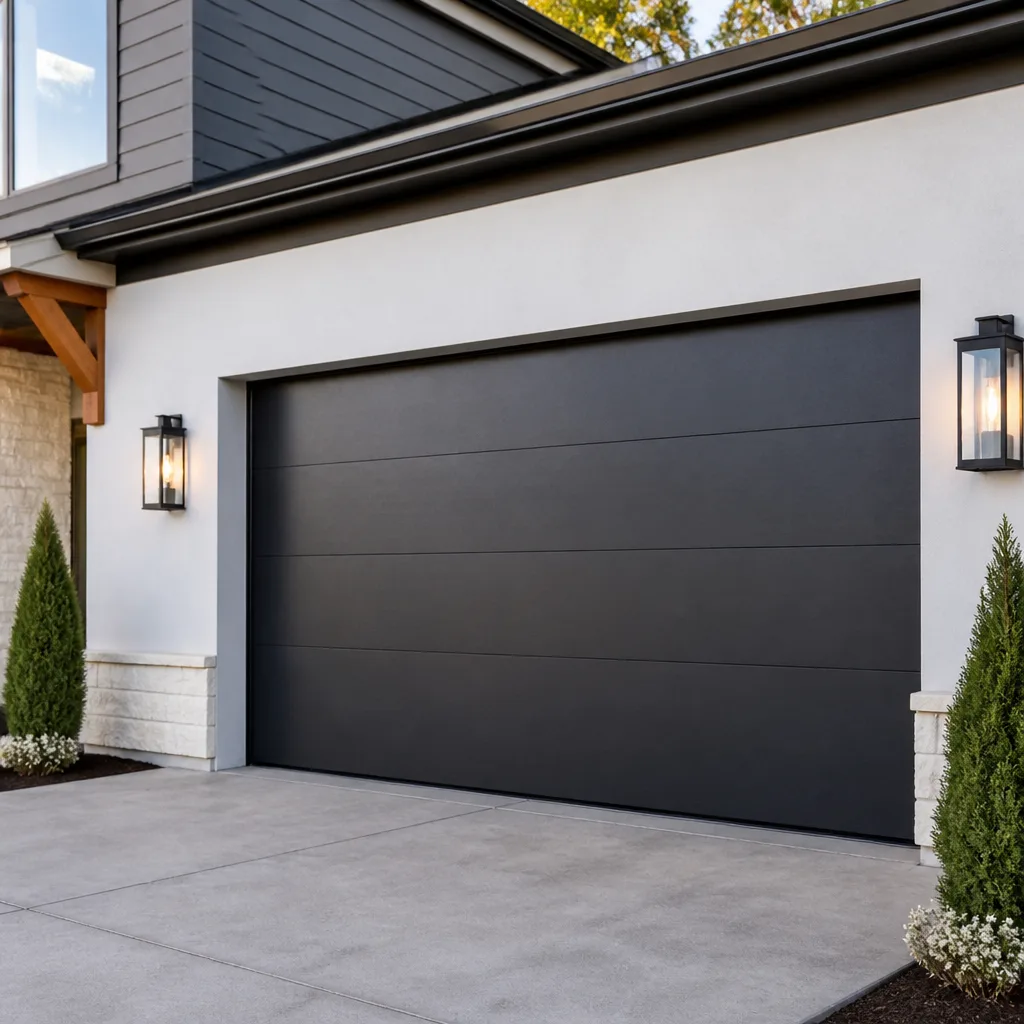 Modern flush
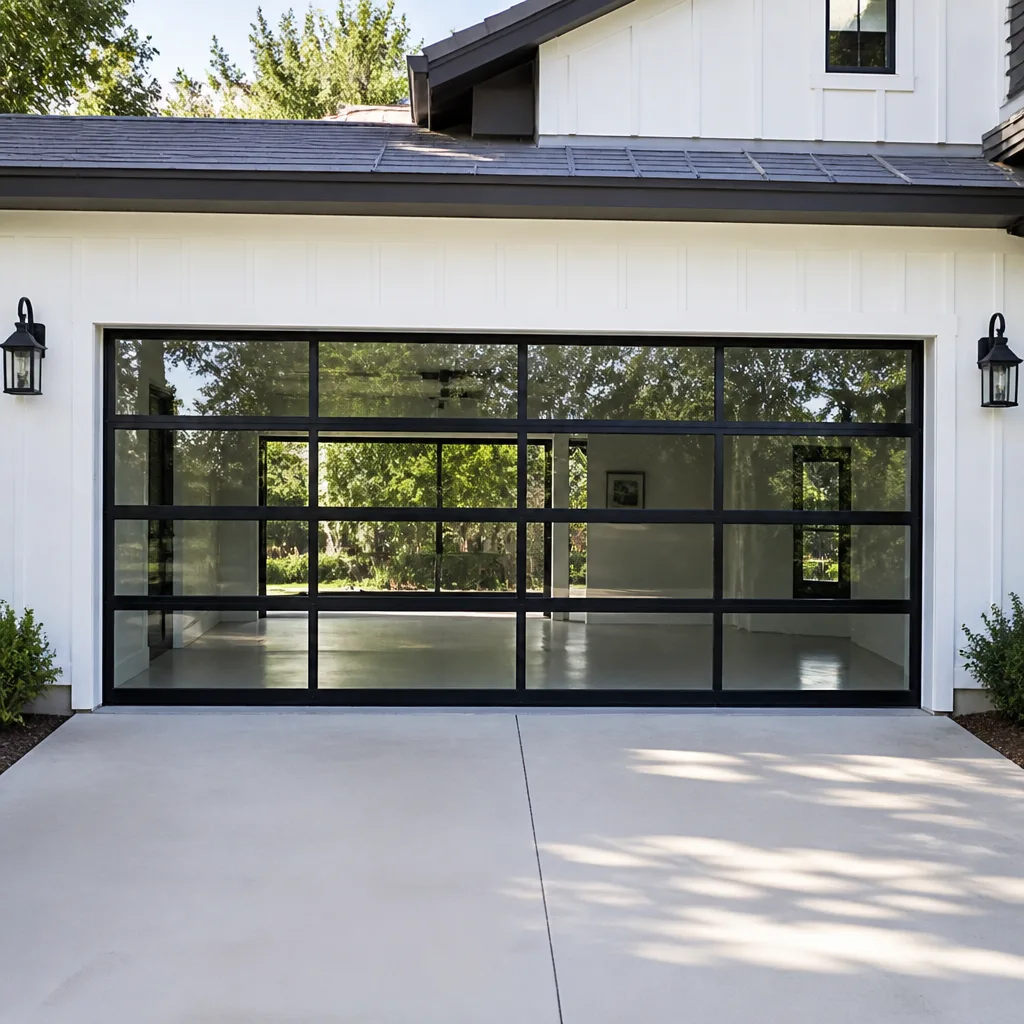 Full-view glass
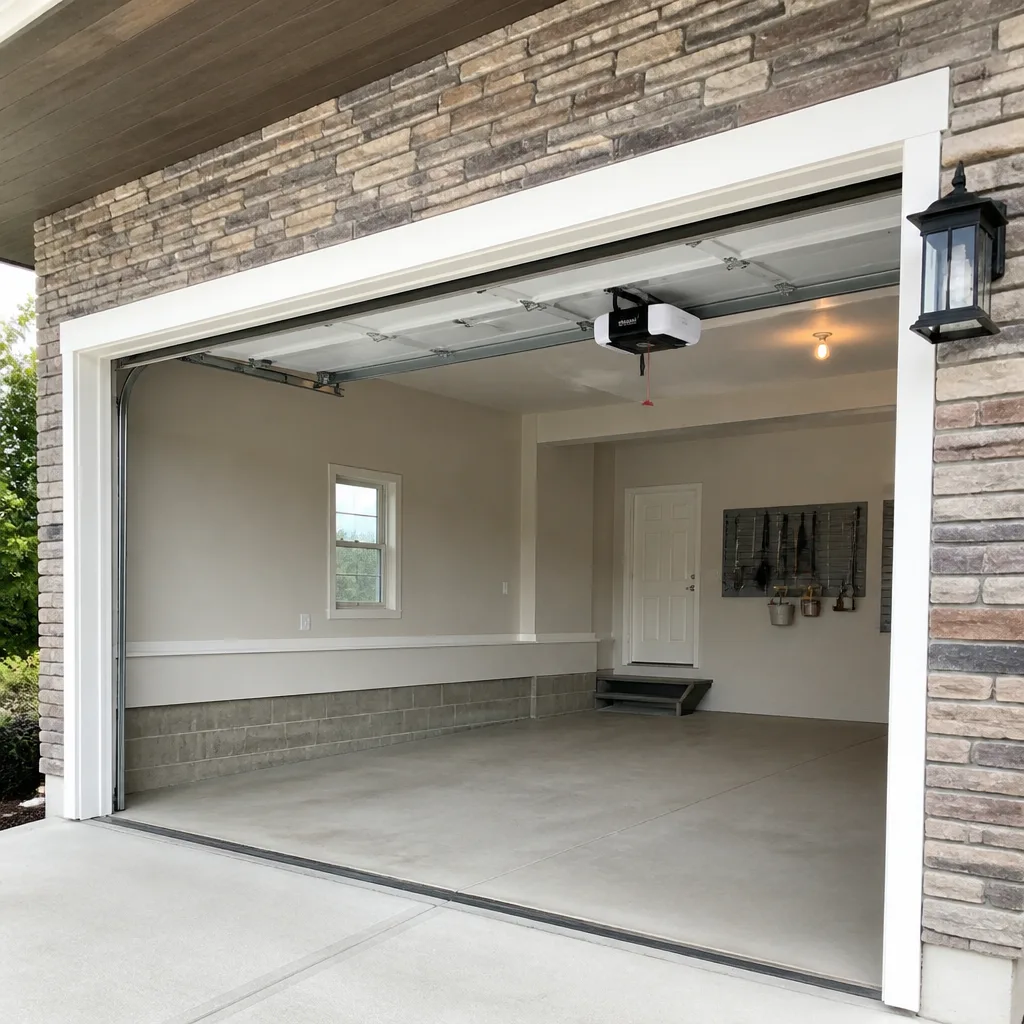 LiftMaster openers
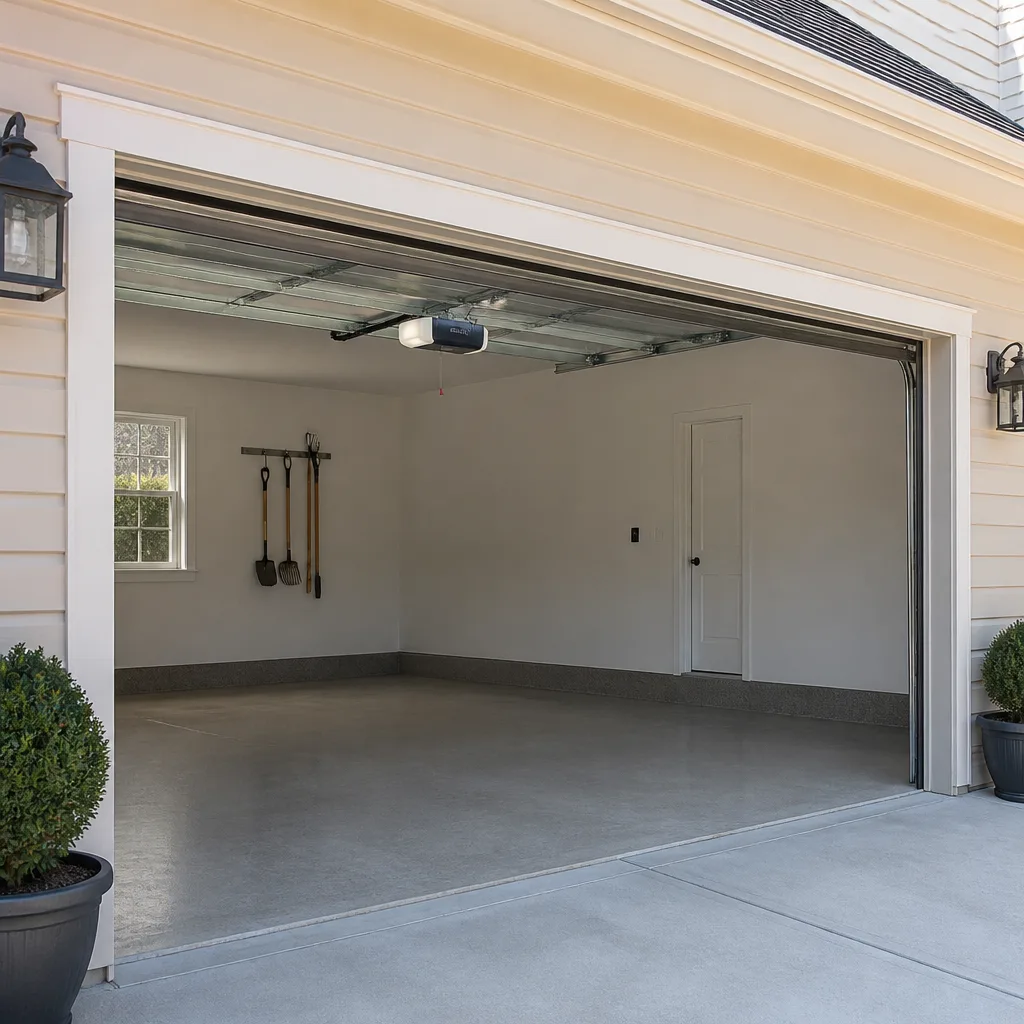 Chamberlain openers
Full 25-point door and opener safety check with every visit - springs, cables, rollers, tracks, and your LiftMaster or Chamberlain opener included
You get a price before we start. It does not change when the pro arrives.
Get your free estimateGarage Door Permits, Codes & Inspections in Glendale, AZ: What You Need to Know
Most homeowners in Glendale assume a garage door replacement is a simple swap, the kind of job that shows up on a Saturday morning and wraps by lunch. It usually isn’t. The permit question turns on three things nobody mentions on the sales call: whether the opening or header changes, whether the opener wiring is touched, and whether your HOA has its own approval track running in parallel. Get one of those wrong and a straightforward door becomes a paperwork problem. This guide walks through when a Glendale permit is actually required, what an inspector checks on an insulated door, how HOA approval differs from a city permit, and why documentation matters when you sell.
Quick Answer
A garage door permit in Glendale, AZ is typically required when a replacement changes the opening size, alters the structural header, or involves new electrical work for the opener, but a true like-for-like swap of the same size door in the same track often isn’t. HOA approval in a planned community is a separate requirement that runs alongside the city permit, not instead of it. When in doubt, call the City of Glendale building department and describe the job in plain terms before work starts.
Styles & brands we work with
- Raised-panel steel
- Carriage house
- Modern flush
- Full-view glass
- LiftMaster openers
- Chamberlain openers
Table of Contents
- When does a garage door replacement need a permit in Glendale?
- Arizona energy code and insulated door replacements
- HOA approval in Glendale’s planned communities
- What “unlicensed contractor” means on a permit application
- Pulling the permit yourself vs. having your contractor pull it
- What an inspector actually checks
- How permit records affect resale in Glendale
- Desert heat, door weight, and code compliance
When does a garage door replacement need a permit in Glendale?
The dividing line is usually structural, not cosmetic. A permit is typically required when the job changes the shape of the opening or the framing that holds the door up; a pure replacement that matches the original size and reuses the same track configuration often isn’t. Most cities, Glendale included, treat a same-size swap as maintenance; they treat a structural change as construction.
Here’s the working breakdown we use when a homeowner asks:
- Like-for-like swap: same width, same height, same track layout, no framing touched. Usually no permit.
- Size change: widening or heightening the opening, or converting a single door to a double. Typically requires a permit because the header changes.
- Header or framing work: replacing a sagging header, sistering joists, or adding a post. Almost always permit territory.
- New electrical: running a circuit for a new opener where none existed, or relocating an outlet. Requires an electrical permit.
- Converting a garage to living space: a completely different permit path, and often a zoning question too.
Glendale has a large stock of homes built across several decades, from mid-century ranch layouts to newer builds in the western growth corridors. Older homes are more likely to have non-standard opening sizes, which is exactly where the “it’s just a swap” assumption falls apart. If the new door doesn’t match the old dimension exactly, the job stops being maintenance and starts being construction. We ask for the opening measurement before we quote anything, because it decides the permit question before it decides the price.
The safest habit: call the City of Glendale building department, describe the job in plain language, and ask whether they want a permit application. It takes ten minutes and it settles the question for your specific house rather than a general rule of thumb.
Arizona energy code and insulated door replacements
Insulated garage doors fall under Arizona’s energy code, and if you’re replacing a door on a conditioned or semi-conditioned space, the code has something to say about it. The relevant sections of the residential energy code, including R404 and the surrounding provisions, address envelope components and their thermal performance. That’s the part of the code an inspector may reference when an insulated door is part of a permitted scope.
What that means practically:
- The door’s rating has to match the space. A garage attached to the house and sharing a wall with living space is treated differently than a detached, unconditioned garage.
- Documentation matters. Manufacturers publish thermal performance data for their insulated models. Keep the spec sheet with your permit paperwork.
- Air sealing is part of the picture. Weatherstripping at the perimeter and a proper bottom seal are what keep the rated performance from leaking away.
- The inspector may ask for the model number. Have it available before the inspection, not after.
We work with Clopay and Amarr insulated lines regularly, and both publish the performance data a Glendale inspector would want to see. What we don’t do is guess at a rating. Ask your manufacturer for the spec sheet on the exact model, and if your job is permitted, hand it to the inspector with the rest of the paperwork. If you’re unsure which code section applies to your specific scope, the building department is the authority, not a contractor’s opinion, and certainly not a website’s.
One thing worth flagging: the desert heat in Glendale is hard on door hardware. Springs, rollers, and hinges all live in a garage that can get genuinely hot, and heat accelerates wear on the torsion system. That’s a maintenance concern more than a code one, but it explains why a Glendale door often needs mechanical attention well before it needs replacement. If yours is grinding, sticking, or refusing to stay balanced, that’s a garage door repair conversation, not a permit conversation.
HOA approval in Glendale’s planned communities
This is the part homeowners miss most often. In Glendale’s larger planned communities, the HOA has architectural review authority over exterior changes, and a garage door is an exterior change. The city permit and the HOA approval are two separate tracks. Getting one does not satisfy the other, and the HOA track often takes longer.
- Read your CC&Rs first. The architectural guidelines spell out approved door styles, colors, panel profiles, and window options. Some communities are strict about visible panel design; others only care about color.
- Submit the architectural request before you order the door. Ordering first and asking forgiveness later is how homeowners end up with a door they can’t install.
- Include manufacturer spec sheets and a rendering or photo. Most review committees want to see the exact model and finish, not a general description.
- Wait for written approval. A verbal “should be fine” from a board member is not approval.
- Keep the approval letter with your permit file. It matters at resale, and it matters if a neighbor complains later.
The order matters: HOA approval typically comes before you order, and the city permit comes before you install. If your community requires both, run them in parallel where the HOA allows it, but never assume the HOA sign-off replaces the city permit. It doesn’t. They answer to different authorities, and a Glendale code inspector is not going to accept an HOA approval letter in place of a permit.
We’ve seen homeowners in Glendale get stuck in a loop where the HOA approved a style the city’s permit scope didn’t match, which forces a resubmittal. Confirm both before the door is ordered. That single habit saves weeks.
What “unlicensed contractor” means on a permit application
Arizona requires contractors to be licensed through the Arizona Registrar of Contractors, and a permit application asks for the license number of whoever is pulling the permit. If the person installing your door isn’t licensed for that scope of work, the application can’t be completed properly, and the work falls back on you as the homeowner in ways that are genuinely uncomfortable.
- You own the liability. Unpermitted and unlicensed work on your property is your responsibility as the owner, not the installer’s.
- Insurance may not respond. If a door fails and damages property or injures someone, an unlicensed installer’s insurance situation is a problem you don’t want to discover after the fact.
- Resale gets complicated. A buyer’s inspector who finds unpermitted work creates a negotiating problem, and in some cases a lender problem.
- Warranty support disappears. Manufacturer warranties often hinge on professional installation, and an unlicensed install can void coverage on a door or opener.
The clean check is simple: ask for the license number, and verify it with the Registrar of Contractors before work starts. A contractor who hesitates on that question is telling you something. Pearl Garage Door Repair works with independent, licensed professionals, and we’ll always tell you to check credentials rather than take our word for it.
The same instinct applies to the equipment itself. If you’re having a new opener installed, the electrical portion of the work needs to be done correctly, and that’s a licensed electrician’s scope in most cases. An opener installed on a hacked circuit is a fire risk, not a shortcut. We handle garage door opener repair on Genie, LiftMaster, and Chamberlain units frequently, and improper wiring is one of the more common things we find behind a “professionally installed” label.
Pulling the permit yourself vs. having your contractor pull it
Both are legal in Glendale, and both create a paper trail. The difference is who is on record as responsible for the work, and that record follows the house.
Option 1: The homeowner pulls the permit
This is usually allowed when the homeowner is doing some or all of the work themselves. The permit is issued to the property owner, inspections are scheduled under the owner’s name, and the final sign-off is recorded against the property. It’s legitimate. It’s also more work for you: you’re responsible for scheduling inspections, being present for them, and correcting anything the inspector flags.
Option 2: The contractor pulls the permit
This is the cleaner documentation for resale, and it’s the path we recommend for any permitted installation. The permit record shows a licensed contractor as the responsible party, which is exactly what a title company, buyer’s inspector, or appraiser wants to see. It also means the contractor handles the inspection scheduling and any corrections, which is what you’re paying them for.
- Confirm in writing who is pulling the permit before work is scheduled.
- Get the permit number once it’s issued, and keep it in your home file.
- Ask for the final inspection sign-off when the job closes.
- Store the permit, the HOA approval, and the manufacturer spec sheets together.
What you don’t want is the third scenario: nobody pulls it, and the work gets done anyway. That’s the version that shows up years later during a home sale, and it’s always more expensive to fix retroactively than to do correctly the first time. If you’re in a Glendale home that already has an unpermitted door installation, the fix is to contact the building department and ask about retroactive permitting before you list.
What an inspector actually checks
Inspection on a permitted garage door job is not a deep technical review. It’s a checklist, and knowing the checklist keeps the visit short. Expect the inspector to look at:
- The door and the opening match the permit scope. Same size, same configuration, as drawn.
- Framing and header are sound. If framing was part of the scope, the connection and bearing points get a look.
- Fasteners and attachment. Track brackets and torsion hardware installed to manufacturer spec.
- Safety features on the opener. Photo-eye sensors at the correct height, the reversing function tested, and the manual release operating properly.
- Electrical work is signed off where a separate electrical permit was required.
- Insulated model documentation where the energy code applies.
The opener safety check is the one homeowners ask about most. A garage door is the largest moving object in most homes, and the reversing system is the reason a child or pet isn’t injured by a closing door. If your opener’s sensors are misaligned or the force setting is dialed up to compensate for a stiff door, that’s a safety problem regardless of permit status. Our technicians have up to 14 years of experience and check those two things on every call that touches an opener.
We tell homeowners in Glendale to be present for the inspection if they can. It’s usually brief, and the inspector will tell you directly if something needs adjustment rather than sending it through a middleman.
How permit records affect resale in Glendale
A permitted, inspected garage door installation is a non-event at resale. An unpermitted one is a problem that surfaces during the buyer’s inspection, and it’s the kind of problem that delays closing. Retroactive permitting takes time, sometimes weeks, and the buyer’s agent will use the open item as leverage in the negotiation whether or not the work itself is fine.
What protects you:
- A permit number and final inspection record on file with the City of Glendale.
- The HOA approval letter for your community.
- The manufacturer spec sheet for the installed door, including the model number.
- An installation receipt showing a licensed contractor as the installer.
That folder costs you nothing to keep and it’s the first thing a title company will ask about if a question comes up. Homeowners buying in Glendale increasingly ask for permit history as a routine part of due diligence, and a clean record is a quiet selling point. The inverse is a delay that costs more than the permit would have.
Desert heat, door weight, and code compliance
Glendale’s summer heat is a code-adjacent issue even when it isn’t a code issue. The garage interior routinely gets hot enough to matter for the door’s mechanical parts. Springs lose tension, lubricant breaks down faster, and the whole system works harder. That wear doesn’t change the permit requirement, but it does change what “done correctly” means on a Glendale install: the hardware has to be sized correctly for the door’s actual weight, and the spring system has to be matched rather than approximated.
Two things we consistently flag:
- Doors get heavier than their original spec over time. A replacement door with different insulation or glass can weigh meaningfully more than what came off. The springs have to match the new weight, not the old one.
- An insulated door changes the load. Heavier panels need correctly rated torsion hardware, and an inspector will look at whether the installed system matches the door.
A torsion spring under load is a genuinely dangerous component. If you’re considering adjusting or replacing one yourself, don’t. The stored energy in a wound torsion spring can cause serious injury, and it’s the single most common source of garage door injuries among homeowners attempting their own repairs. That’s a job for a trained technician with the right tooling, every time. We say that without hedging because it’s true.
Glendale’s dry air and dust also matter for track alignment and roller wear. Tracks accumulate grit, rollers flatten, and the door starts to bind. That’s normal for the climate and it’s maintenance, not a code problem. But binding puts load on the opener, and an overworked opener fails earlier. Regular adjustment is the cheap version of that story.
If you’re replacing rather than repairing, we work with Clopay, Amarr, Wayne Dalton, and Genie equipment and can match a replacement to what’s already on your home. That matters for the permit scope, because matching the original opening size is what keeps a replacement in the non-permit lane more often than not. Look up our garage door repair work, or if you’re ready to talk about a new door, start there.
Common Mistakes to Avoid
- Assuming “same size” without measuring. Doors that look identical often aren’t, and a quarter-inch change in the opening can move the job from a swap to a permit. Measure the opening first, then order.
- Ordering a door before HOA approval. Glendale’s planned communities each have their own architectural guidelines, and an unapproved door style can’t be installed regardless of what the city permit says.
- Treating HOA approval as a permit. The two are separate tracks. An approval letter from the architectural committee means nothing to a city inspector.
- Skipping the insulated door spec sheet. If your job is permitted and the energy code applies, the inspector may want to see the model’s documented rating. Keep it with your paperwork.
- Hiring without verifying the license. Ask for the number and check it with the Arizona Registrar of Contractors before anyone starts. A permit application can’t be completed properly without one.
- Letting the contractor pull the permit while you pay cash off-record. If the permit is in the contractor’s name, the payment record should match. Inconsistencies create a documentation gap that comes up at resale.
- Ignoring a stiff door or a misaligned sensor. A reversing system that’s been adjusted to compensate for a binding door is a safety hazard, and that’s true whether or not a permit was ever involved.
See the difference
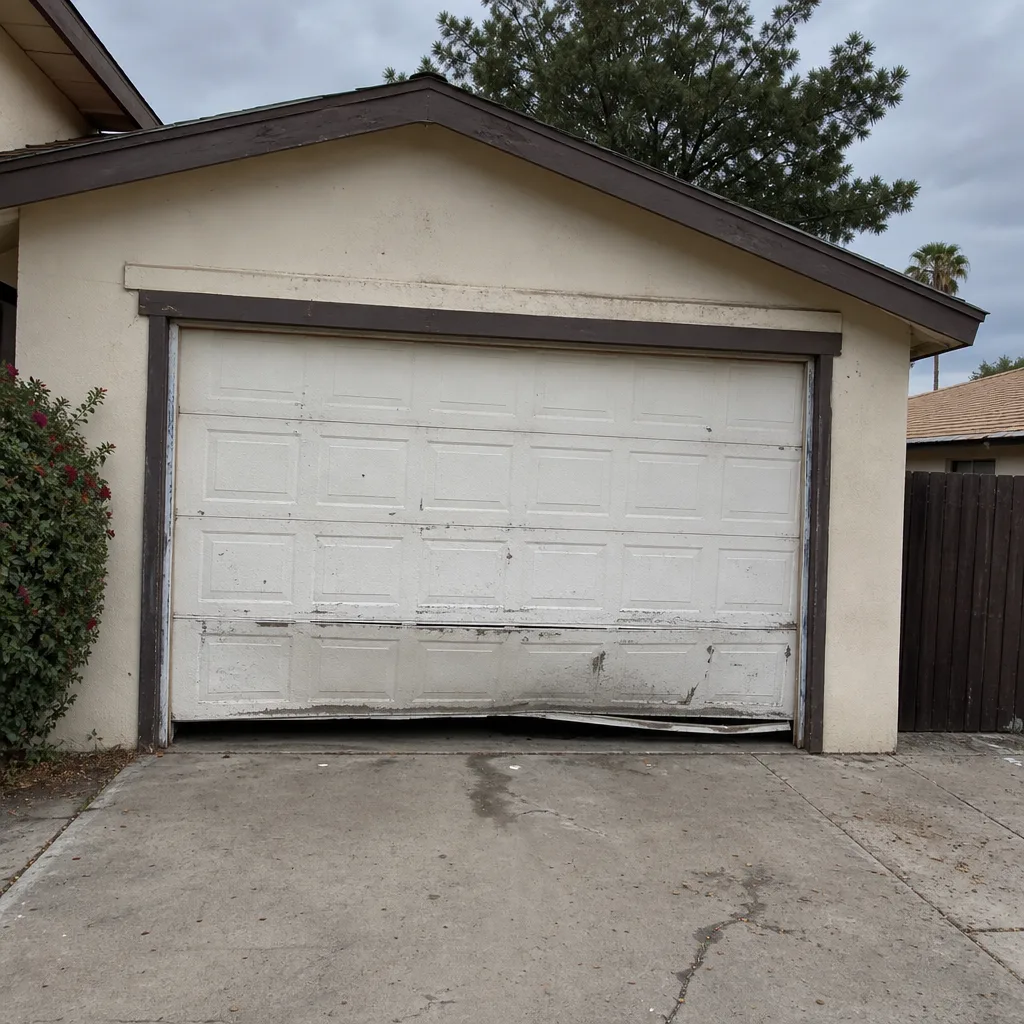 Before
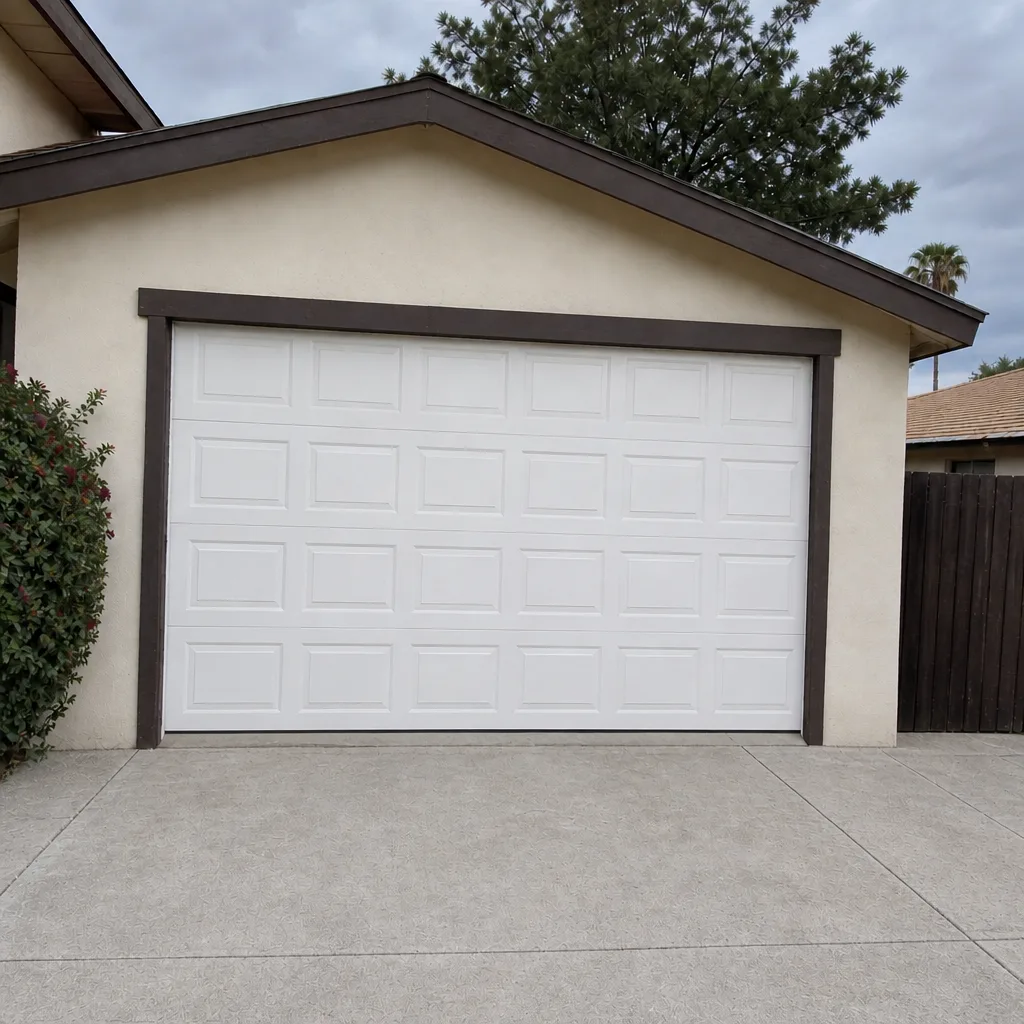 After
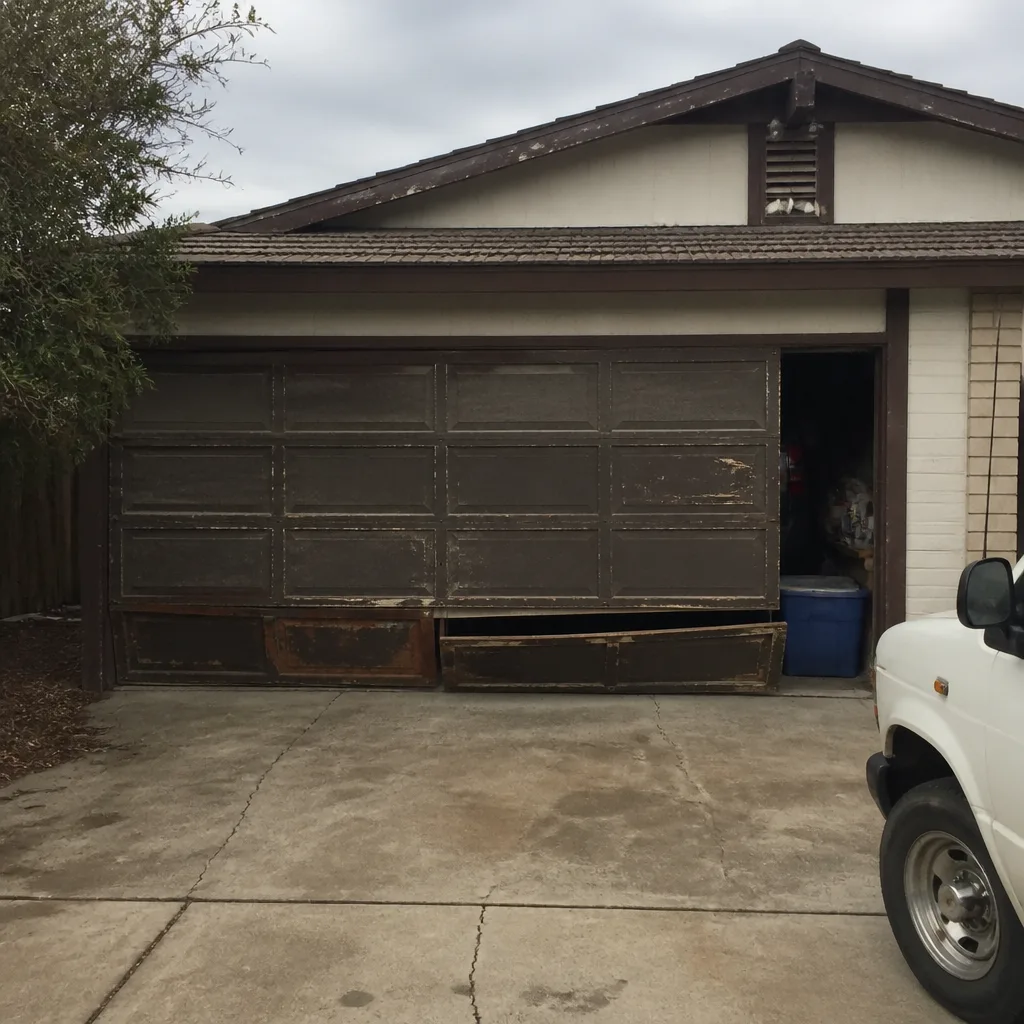 Before
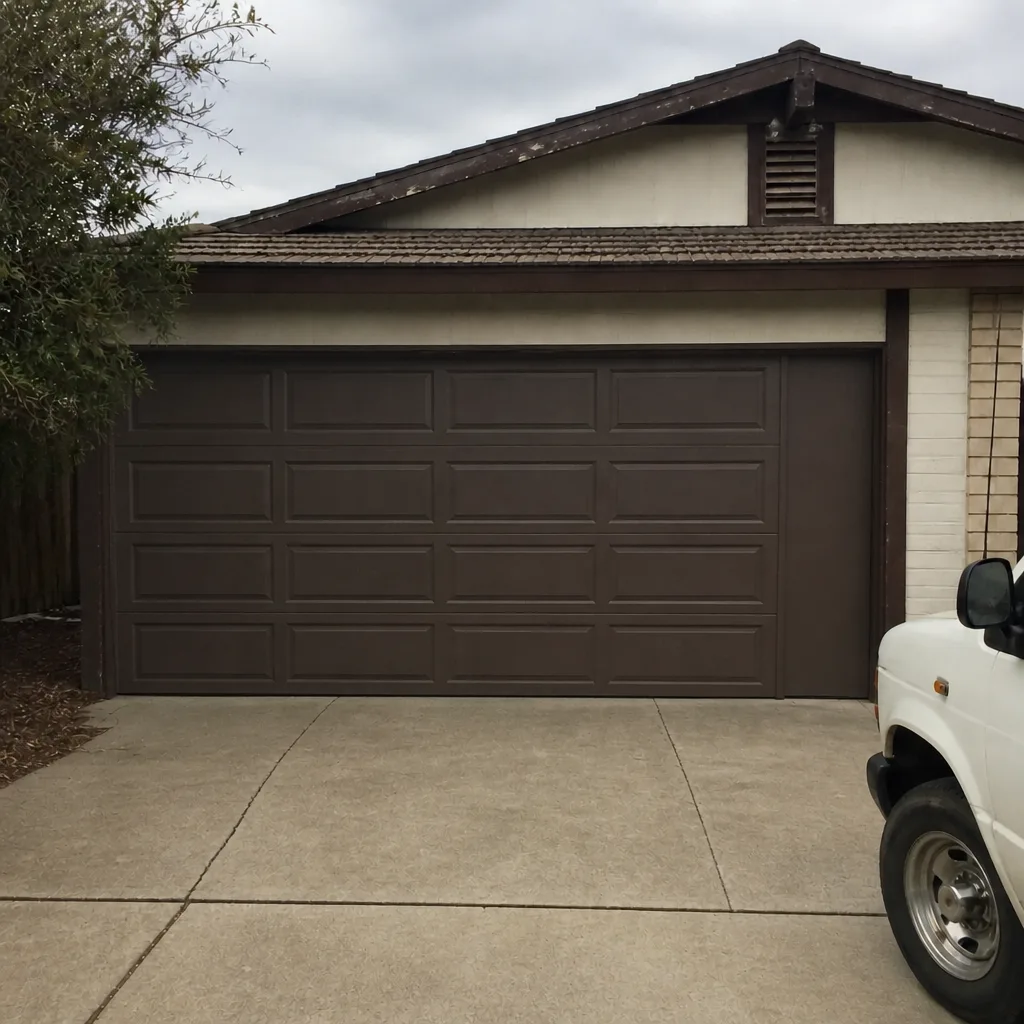 After
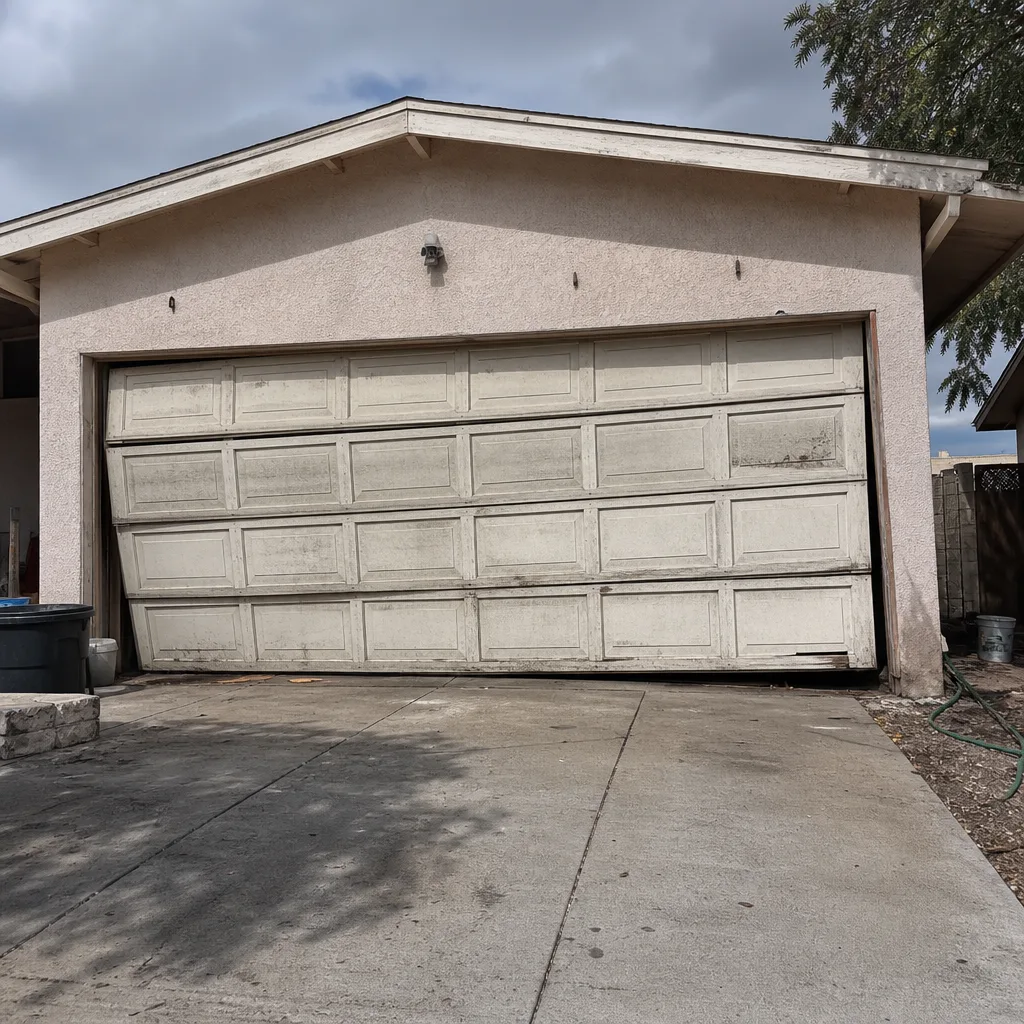 Before
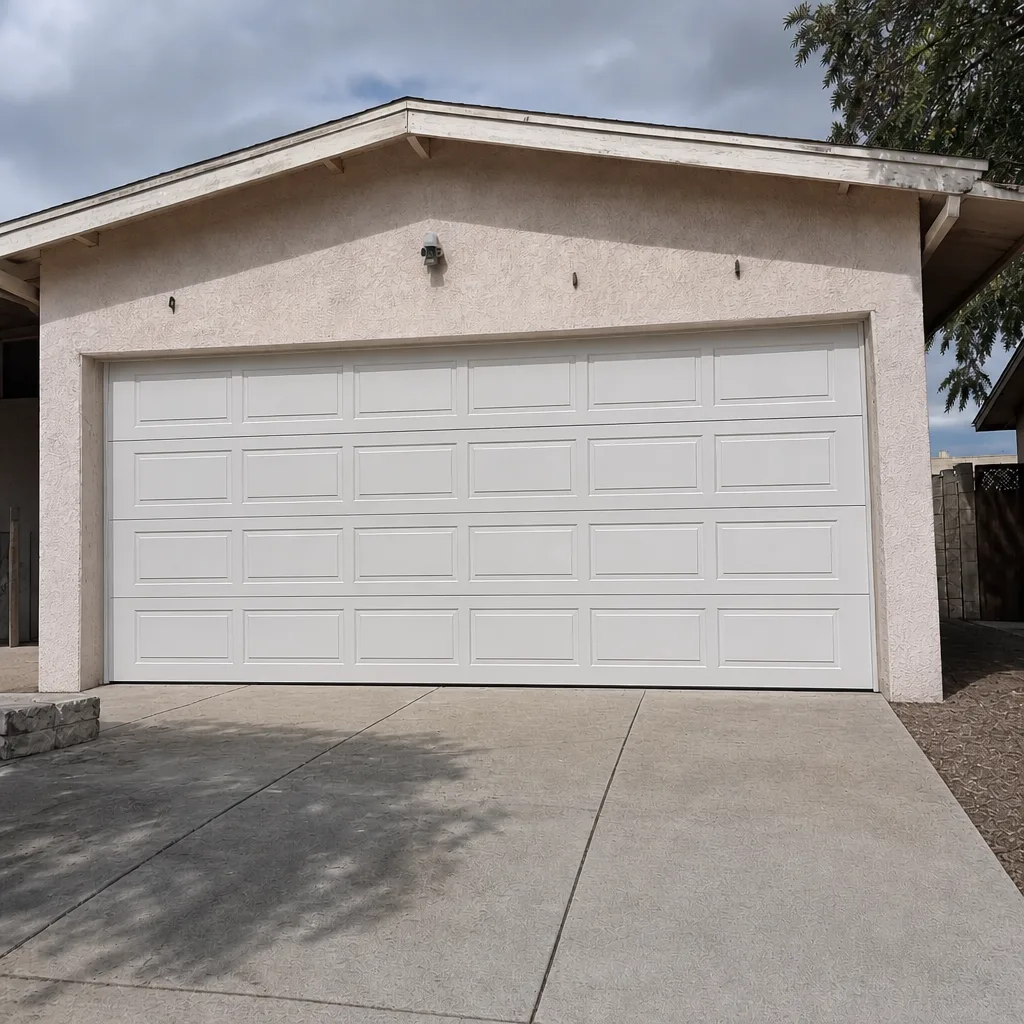 After
When to Call a Professional
Call before work starts if any of these describe your situation. If you’re replacing a door and don’t know whether your opening is standard, that’s a measurement question a technician settles in minutes. If your HOA guidelines are ambiguous about door style, we can tell you what’s installable and what isn’t before you order. If your opener’s reversing system is being adjusted to compensate for a stiff door, that’s a safety issue that needs a technician. If your job falls into permit territory and you want the documentation clean for resale, the contractor should be pulling the permit. And if a torsion spring has failed, stop and call: that’s the one component homeowners should never touch. Pearl Garage Door Repair offers free estimates in Glendale, and we work on the eight major brands including Clopay, Amarr, Wayne Dalton, Genie, LiftMaster, Chamberlain, Craftsman, and Raynor. Call (877) 490-7828. We answer 24/7. Fast dispatch from 7am to 7pm, Sunday through Friday.
Frequently Asked Questions
Often not, if it’s a true like-for-like swap of the same size door in the same track. You typically do need one when the opening size changes, the structural header is altered, or new electrical work is involved for the opener. Call the City of Glendale building department and describe your job to get a definitive answer for your house. If you’re not sure which category you’re in, call (877) 490-7828 and we’ll help you figure out what the job actually involves before anything is ordered.
In most of Glendale’s planned communities, yes. Architectural review committees have authority over exterior changes, and a garage door counts. The HOA approval is a separate requirement from the city permit, so you need both if a permit is required. Submit the architectural request with the manufacturer spec sheet and wait for written approval before ordering.
It becomes a problem at resale, when a buyer’s inspector flags the unpermitted work and the closing gets delayed while you pursue retroactive permitting. The fix is to contact the City of Glendale building department and ask about the retroactive process before you list. Retroactive permitting typically costs more than the original permit would have, and the delay is the real expense. Call (877) 490-7828 if you want to understand what a compliant installation would involve.
It can, particularly if you’re installing an insulated door on a garage that shares a wall with conditioned living space. The code sections covering envelope components, including R404 and related provisions, address thermal performance, and an inspector may ask for documentation. Ask your manufacturer for the spec sheet on the exact model and keep it with your permit paperwork. The Glendale building department is the authority on which sections apply to your specific scope.
The contractor pulling the permit creates the cleaner documentation for resale, because the record shows a licensed professional as the responsible party and inspectors and buyers want to see that. Homeowners can legally pull their own permit, but then the inspection scheduling and any corrections are on you. Either way, confirm in writing who is pulling it before work is scheduled, and keep the permit number.
We’re factory-knowledgeable on eight of the most widely installed brands: LiftMaster, Chamberlain, Genie, Clopay, Amarr, Wayne Dalton, Craftsman, and Raynor. That means we work on whatever is already on your home rather than steering you toward one manufacturer. If your door or opener is one of those brands and you’re weighing repair against replacement, call (877) 490-7828 for a free estimate. Estimates are free, and the price is set by the written estimate before any work starts.
The Bottom Line
The garage door permit question in Glendale comes down to three checks: does the opening or framing change, is new electrical involved, and does your HOA have architectural authority over the door. A true same-size swap often needs nothing; a size change, header work, or new opener circuit usually needs a permit. If a permit is required, have the contractor pull it, keep the permit number, the final inspection record, and the HOA approval in one file. That folder is worth more at resale than anything else you’ll do on this job. And if anything about the work involves a torsion spring, leave it to a trained technician.
If you’re planning a garage door repair, an opener replacement, or a new installation anywhere in Glendale, we’re happy to talk it through. Call (877) 490-7828 for a free estimate. We answer 24/7. Fast dispatch from 7am to 7pm, Sunday through Friday. Our technicians have up to 14 years of experience, and we cover the door and the opener together: Pearl Garage Door Repair handles both, and if you’re locating us by city, Glendale is where we work. Estimates are free and the price is quoted and agreed before any work starts.
Written by the team at Pearl Garage Door Repair.