
Last updated November 15, 2026
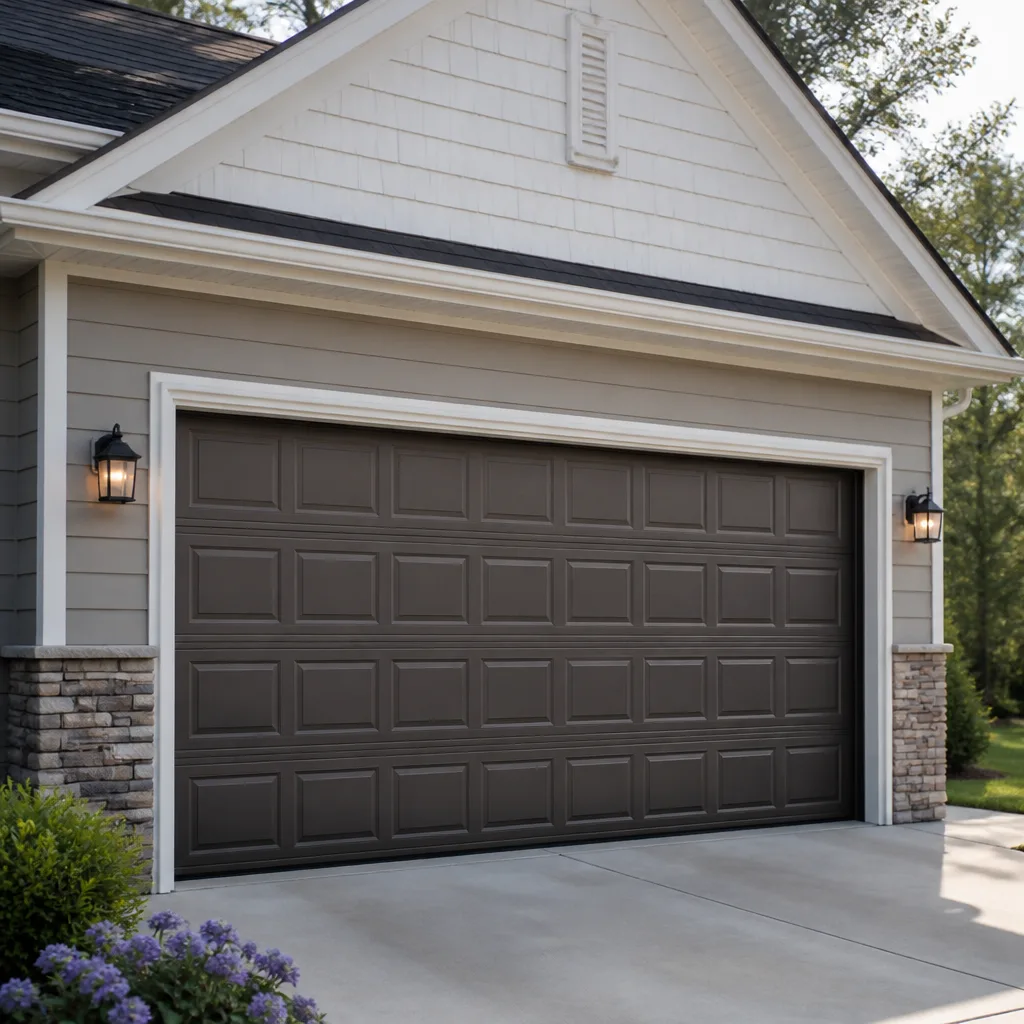 Raised-panel steel
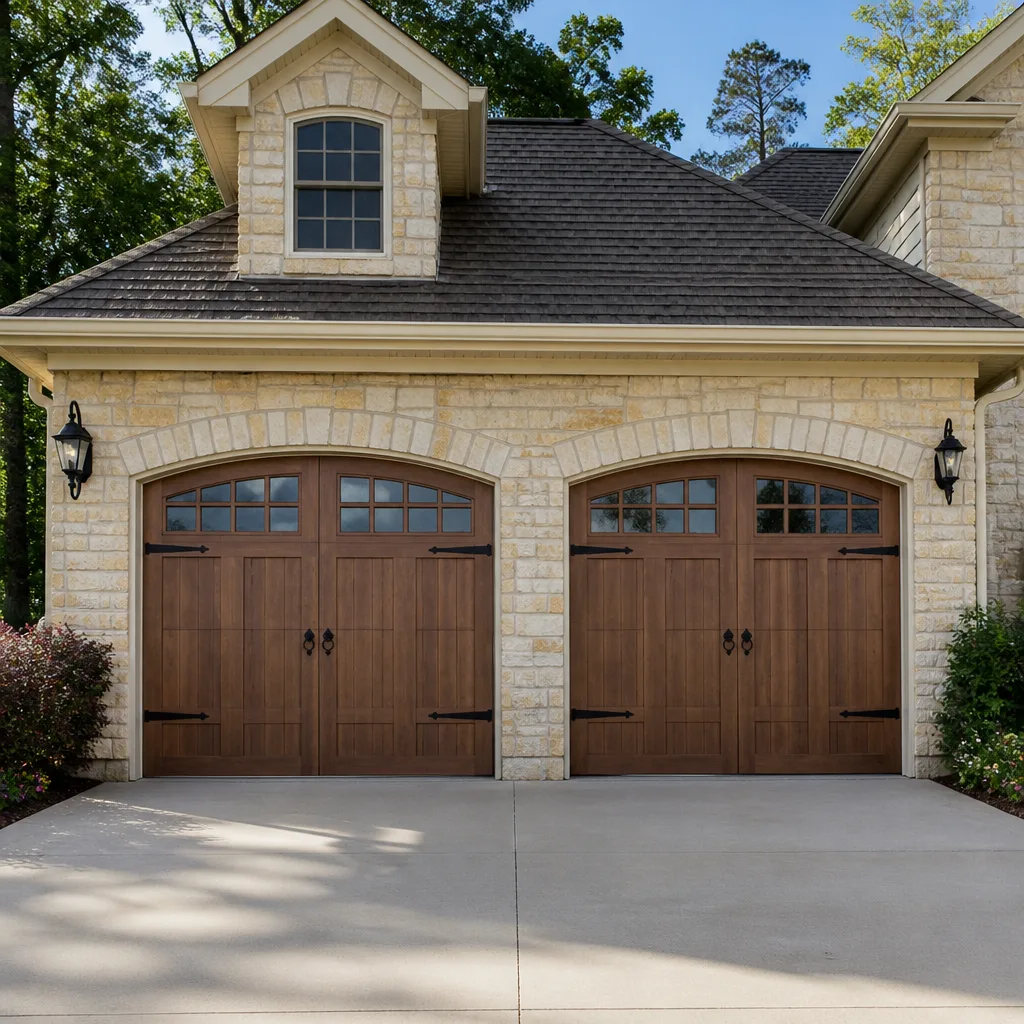 Carriage house
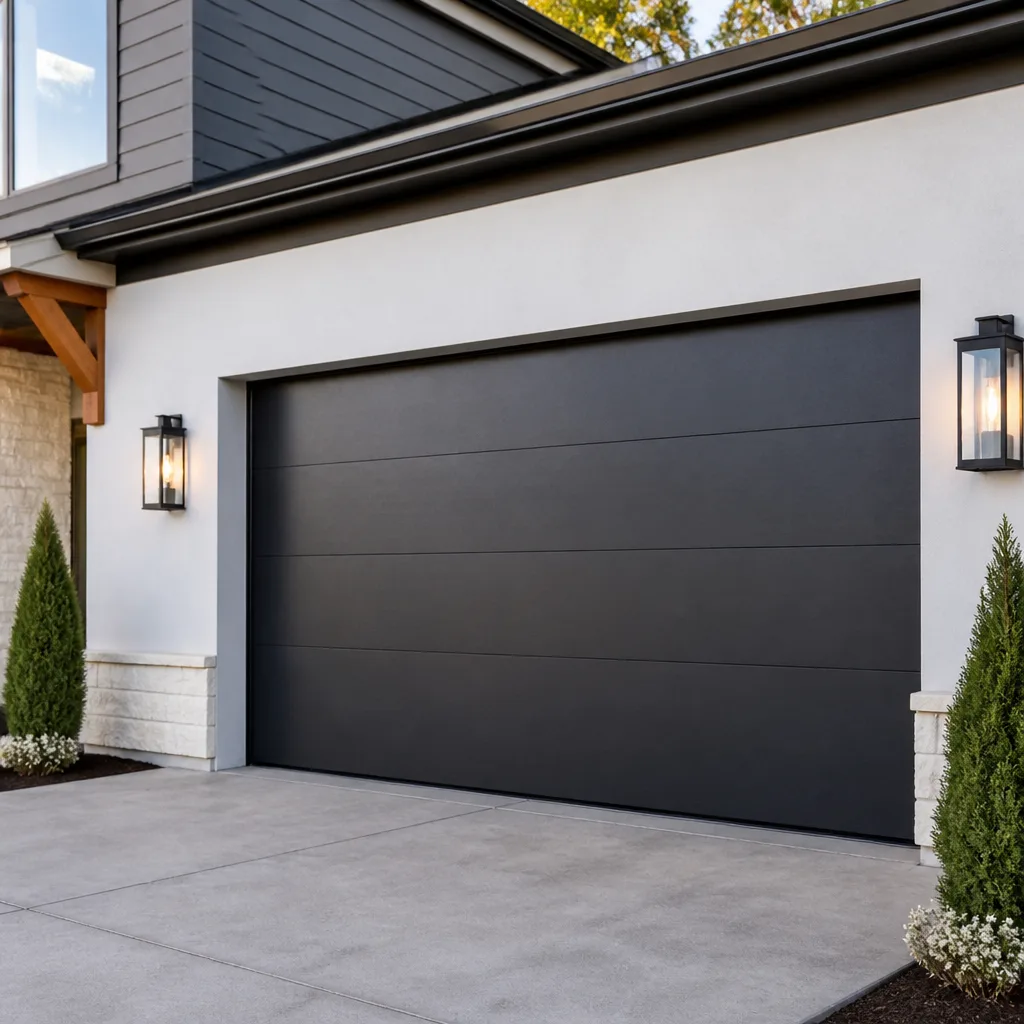 Modern flush
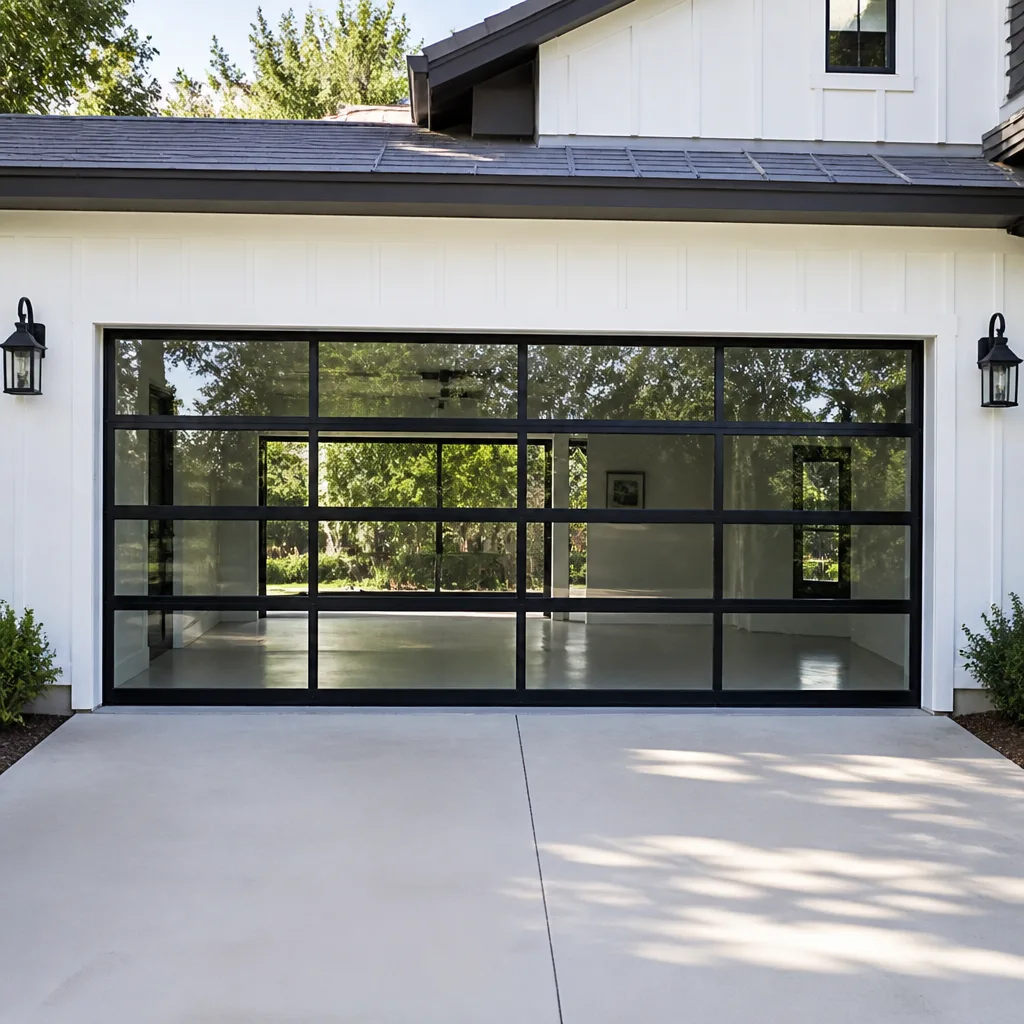 Full-view glass
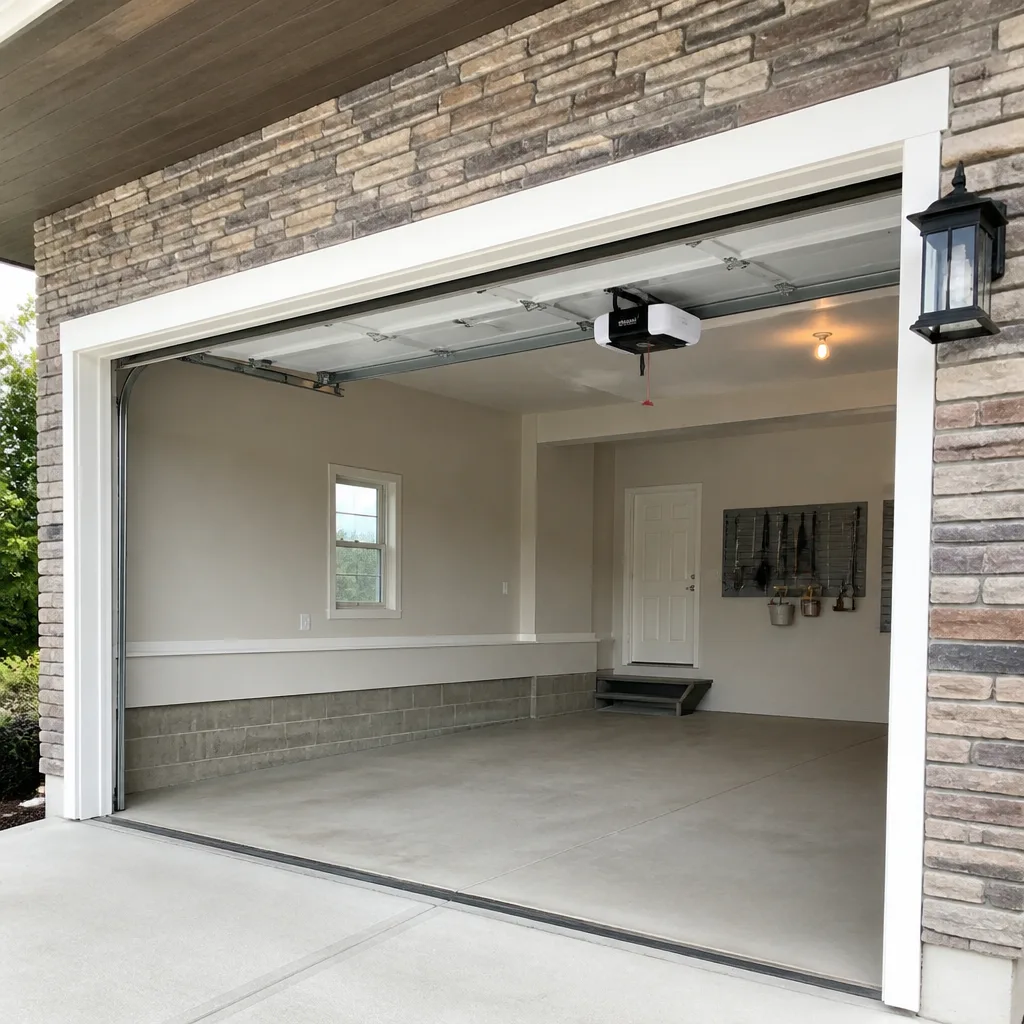 LiftMaster openers
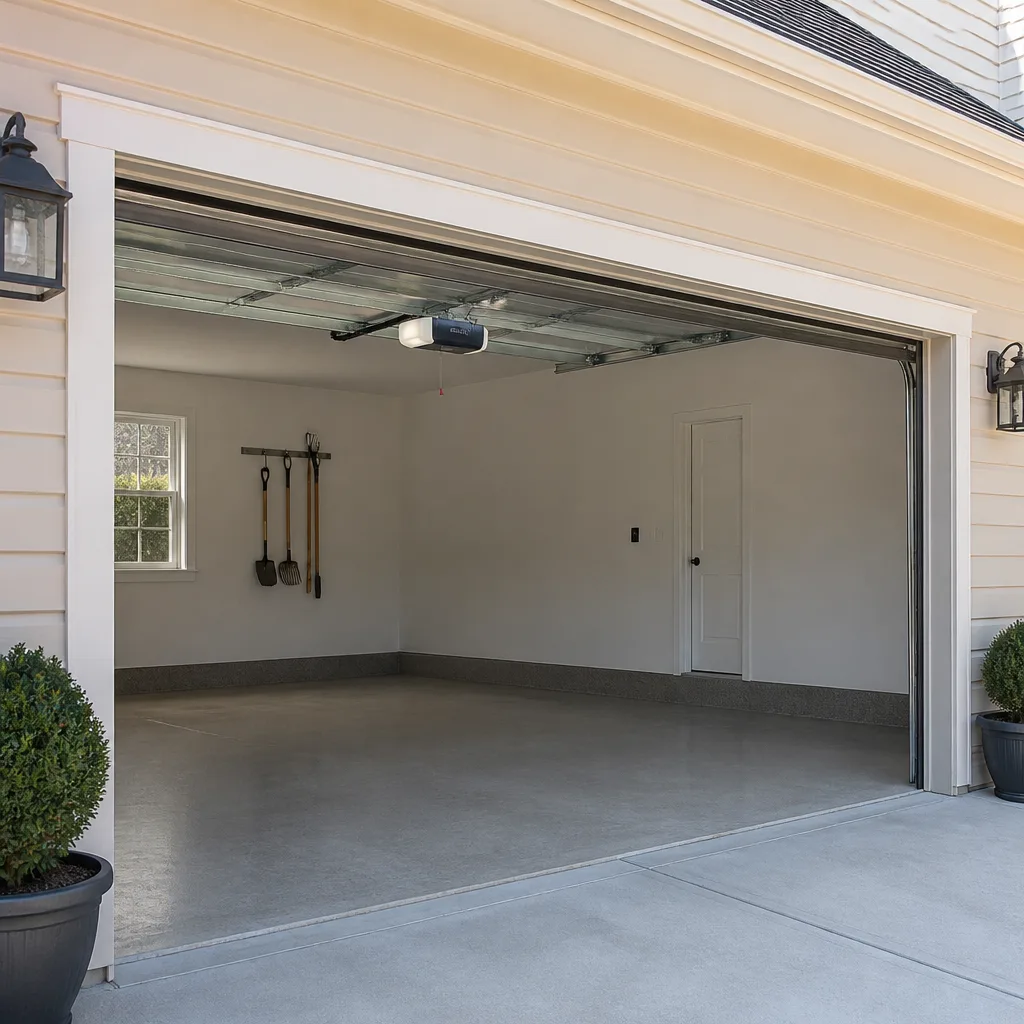 Chamberlain openers
Full 25-point door and opener safety check with every visit - springs, cables, rollers, tracks, and your LiftMaster or Chamberlain opener included
You get a price before we start. It does not change when the pro arrives.
Get your free estimateGarage Door Repair Maintenance Checklist for Glendale Homeowners
The number-one reason garages here fail early isn’t neglect. It’s a schedule. Homeowners in Glendale follow the same spring-and-fall maintenance routine recommended in cooler, wetter parts of the country, and that routine quietly under-serves a door that lives in desert heat, dust, and summer monsoon humidity. Parts age differently here. Grease behaves differently. Rubber weatherstripping that looks fine can be weeks from cracking through. What follows is a checklist built around how doors actually wear in Glendale – a month-by-month plan that maps to our three failure seasons, the products that survive above 100°F, and the tests you can run yourself in five minutes. It won’t cost you a weekend. It will keep a technician from finding a bigger problem later.
Styles & brands we work with
- Raised-panel steel
- Carriage house
- Modern flush
- Full-view glass
- LiftMaster openers
- Chamberlain openers
Quick Answer
A garage door maintenance checklist for Glendale homeowners should run on a desert schedule, not a national one: lubricate the rollers, hinges, and torsion spring once in late winter and again before monsoon, test the weatherstripping for UV brittleness every spring, check the opener’s force and balance settings every two to three months, and clear dust and grit from the tracks after every dust storm. The three windows that matter most are March to May (pre-summer prep), July to September (monsoon), and October to November (post-heat stress). Missing those three windows is what turns a small adjustment into a spring or opener replacement.
Table of Contents
- Why a Glendale Door Needs Its Own Schedule
- The Three Failure Seasons in Glendale
- The Month-by-Month Checklist
- The Right Lubricant for Desert Heat (and What to Avoid)
- Testing Weatherstripping for UV Brittleness
- The Five-Minute Opener Force and Balance Test
- Tracks, Rollers, and Dust After a Storm
- What to Document on Each Inspection Pass
- Common Mistakes to Avoid
- When to Call a Professional
- Frequently Asked Questions
- The Bottom Line
Why a Glendale Door Needs Its Own Schedule
A garage door is a mechanical system with perhaps a hundred moving parts, and every one of them is affected by temperature and dust. The trouble is that most published maintenance advice was written for a mild climate that doesn’t exist here. A twice-a-year lubrication guide is fine in a place with gentle summers. In Glendale, the same door spends three or four months working in sustained heat, then a summer of monsoon moisture and blowing dust, then a fall of temperature swings. That’s a very different duty cycle.
The materials onboard react to that. Steel expands slightly in the heat and contracts at night, which works screws loose over time. Rubber and vinyl weatherstripping sets hard under UV and loses its pliability long before it visibly cracks. Grease that’s rated for a cool garage gets thin and runs off the moving parts in July, then traps grit. And the opener motor works harder in deep heat, because the door itself is stiffer and the tracks are dirtier.
We work on garage doors across Glendale every week, on the full range of brands and models homeowners actually have – from the opener electronics on a LiftMaster to the panel-and-hardware condition on a Raynor. The pattern is consistent: the doors that get serviced around the local seasons last noticeably longer between major repairs than the ones serviced on a generic calendar. The fix isn’t more maintenance. It’s the right maintenance at the right time of year.
This guide is written from the perspective of a shop that handles the whole door: the mechanical system, the opener, and full installations, so we see both what fails and why. If you’d like context on the range of work, our Pearl Garage Door Repair page covers the three core services – repair, opener repair, and new installation – under one roof.
The Three Failure Seasons in Glendale
Most garage door failures in Glendale cluster into three predictable windows. Once you know them, you can time your checks so that you’re catching wear before it turns into a breakdown rather than after.
Pre-summer: March to May
This is the window to prepare the door for the hardest four months of its year. The heat hasn’t fully arrived, so you have a comfortable stretch to lubricate, tighten hardware, test the opener, and replace anything already showing wear. If your weatherstripping is going to fail in August, it will almost always show its weakness now, and replacing it in spring is a simple job instead of a mid-summer problem. This is the single most valuable maintenance window of the year in Glendale.
Monsoon: July to September
This is not the season to schedule big projects, but it is the season to watch for dust and moisture. Blowing dust settles into the tracks and the roller assemblies, and the humidity stresses the seals around the bottom of the door. What you’re doing here is protecting the work you did in spring: clearing grit, checking that the door still runs smoothly, and noting any change in how the opener sounds.
Post-heat stress: October to November
After the worst of the heat, this is the season to inspect what the summer did. The temperature swings of fall put the most stress on metal components, and this is when springs, cables, and opener gears that have been quietly wearing all summer tend to fail. A fall inspection catches that wear while it’s still an adjustment rather than a replacement.
The Month-by-Month Checklist
Here’s how the year breaks down in practice. You don’t have to do this every month – the schedule is built so that the heavy lifting happens in the three seasons above, with light checks in between. Use this as your master list.
- January and February: Light walk-around. Open and close the door a few times and listen for new noises. Wipe down the photo-eye lenses on the opener. Nothing else is needed in the cool months.
- March (pre-summer start): Full lubrication pass – springs, hinges, rollers, bearing plates. Tighten visible bolts on the hinges and brackets. Wipe the tracks clean with a dry cloth.
- April (spring test): Test the weatherstripping for UV brittleness (see the section below). Check the balance of the door by hand. Test the opener’s force setting.
- May (pre-summer close): Final prep. Confirm the safety reverse works by placing a small object in the door’s path and watching it reverse. Re-lubricate any moving part that already feels dry.
- June: Light check. The heat is arriving; note whether the openers sound different in the afternoon than they do in the morning. They usually do, and that’s normal.
- July (monsoon start): Clear dust and grit from the tracks after any windy day. Wipe down the bottom seal and check that it still sits flush against the floor.
- August (monsoon): Re-lubricate the rollers and hinges – the thin summer film breaks down faster than you’d think. Listen to the opener for any new strain on the motor.
- September (monsoon close): Full visual inspection. Look for anything loose, worn, or shiny where metal is rubbing.
- October (post-heat start): The most important inspection of the fall. Spring, cable, and opener condition all get checked, and anything that looked tired in summer gets flagged now.
- November (post-heat close): Under-tension check by hand – lift the door halfway and let go; it should hold. Tighten any hardware the summer worked loose.
- December: Light walk-around, same as January. Cool-season checks are the quietest of the year.
You’ll notice the heavy tasks land in spring and fall. That’s deliberate. In Glendale, you want to be doing the real work on the door when the weather is kind, and protecting it when it isn’t. If a task falls through the cracks, the two you should never skip are the spring lubrication in March and the fall inspection in October.
In our experience, homeowners who follow this schedule call us far less often – and when they do, the visit is shorter, because we’re fixing one thing instead of three. A trained eye can spot a worn hinge fitting or a tired spring long before it snaps. Our technicians have up to 14 years of experience, and much of that is spent working on exactly the kind of doors and openers installed in Glendale homes.
The Right Lubricant for Desert Heat (and What to Avoid)
Here’s the problem most homeowners never hear about: the grease that works perfectly in a temperate garage thins out and runs off the moving parts in summer heat. A product that’s fine at 70°F can be nearly useless at 110°F, and worse, it can trap grit like a magnet once it thins. The result is that the parts people intended to protect actually wear faster.
The right products for a Glendale garage fall into two categories:
- Silicone-based spray lubricant for springs, hinges, and rollers. It stays where you put it, doesn’t attract grit, and doesn’t run off in heat. This is the workhorse product for a door in this climate.
- Lithium or lithium-complex grease for the bearing plates and the torsion system where you can manage it carefully with a small amount. A little goes a long way; over-application is as bad as none.
What to avoid: standard WD-40, plain motor oil, and any product labeled as “general purpose” without temperature guidance. These are the products that gum up in Arizona heat. They may work fine for a week and then turn into a sticky film that collects dust and makes the door noisier, not quieter. If you already have a gunky door, a technician can clean the components before re-lubricating – applying fresh grease on top of old is a temporary fix that fails fast.
Two more notes specific to this climate. First, lubricate lighter and more often, not heavier and less often. A thin, fresh film every few months beats a thick layer that cakes. Second, apply lubricant in the cooler part of the day – early morning is ideal – so it settles before the heat thins it. That single habit extends the life of a lubrication pass noticeably in Glendale.
Some parts shouldn’t be lubricated at all. The tracks themselves should stay clean and dry, never oiled – oil on a track collects dust, and dust is the enemy. And the springs should never be touched with anything but a proper silicone product; a greasy spring collects grit and wears faster at the coils. If you’re unsure what you have, call us and we’ll tell you what the manual specifies for your door’s make and model.
Testing Weatherstripping for UV Brittleness
Visible cracking is not the test. By the time weatherstripping in Glendale actually cracks, it’s been failing for weeks. UV exposure sets the material hard long before it splits, and the real damage – letting in heat, dust, and monsoon moisture – happens in that hard-but-not-yet-cracked phase. This is the problem a simple visual inspection misses, and it’s why we recommend a physical test every spring.
Here’s how to test for brittleness:
- Stand at the bottom of the door and lift the rubber flap slightly with your thumb. It should flex easily and return to shape.
- Press the rubber between your thumb and forefinger. Fresh weatherstripping gives. Brittle material feels stiff and hard, like a dried-out pencil eraser.
- Look at the edges of the strip where it meets the door frame. The first sign of UV failure is usually a chalky, powdery surface, not a crack.
- Check the full length of the bottom seal by running your hand along it. Any spot that feels harder than its neighbors is failing.
- Look at the side and top seals too. They take direct sun all day in a Glendale summer and often fail before the bottom seal does.
- With the door closed, check the gap between the bottom seal and the floor. Daylight showing through means the seal has lost its spring.
If the seal fails any of those tests, replace it. Weatherstripping is a low-cost part, and swapping it before it fails is a quick job; swapping it after it fails is a slightly bigger job, because you’re dealing with the moisture and pest problem it was meant to block.
The side and top seals are where most Glendale homeowners are surprised. The sun hits them directly for hours, and they can go hard in under two years. If you’re replacing the bottom seal, look at the sides and top at the same time. It’s the kind of thing a trained technician spots in a walk-around in a way a visual self-check often misses – and it’s one reason our team works on both the door and the opener, so a single visit can cover this whole system rather than sending you to a second company.
The Five-Minute Opener Force and Balance Test
The opener is where heat stress does the most hidden damage. As bearings stiffen and tracks accumulate grit through the summer, the motor works harder to lift the door, and that strain builds up silently until it either burns out a component or triggers the opener’s internal safety mechanism. The good news: you can catch that strain early with a five-minute test you can run yourself.
The force test checks whether the opener has to push too hard to move the door:
- With the door closed, disengage the opener using the manual release (usually a red cord hanging from the rail).
- Lift the door about halfway by hand. It should move smoothly without much effort.
- Let go. A balanced door should stay in place at the halfway point, not drift down under its own weight.
- If it slides down easily, the door has lost tension or balance – a sign of a spring or hardware issue.
- If it takes a lot of effort to lift, the tracks, rollers, or hinges are likely dirty or worn.
- Re-engage the opener and run the door once. Listen for strain, grinding, or a lurching motion.
The balance test is a companion check. Close the door, then open it with the wall button and watch the whole cycle. A door that’s balanced opens and closes at a steady rate. A door that jerks, hesitates, or speeds up unevenly is telling you something is binding. On a LiftMaster or Chamberlain opener, that unevenness is often the first sign that the motor is working at the edge of its limit.
One safety note before you start: never put your hands near the torsion spring or cables to test them. Those components are under high tension and can cause serious injury if they slip. The tests above are done entirely by hand on the door panel, not on the spring hardware. If a spring or cable looks damaged, stop and call a trained professional – those are not DIY repairs.
What the test tells you: any strain is an early warning. Catching it here is what keeps a worn bearing or a tired spring from turning into an opener replacement. If you’d like a more detailed walk-through on the opener side, we’ve covered it on our page for garage door opener repair, where we explain the common failure points on the major opener brands.
Tracks, Rollers, and Dust After a Storm
In Glendale, the tracks are the part of the system that takes the most abuse from the environment, and the part most homeowners overlook. Monsoon dust is fine enough to settle inside the roller assemblies and on the track surface. It then acts like an abrasive while the door runs – slowly grinding the rollers, wearing the track steel, and making the door noisier.
After any windy or dusty day, it’s worth a quick pass:
- Wipe the tracks with a dry cloth – never with an oiled rag, because oil on a track traps dust.
- Check the roller heads. They should spin freely. A roller that sticks or feels gritty is on its way out.
- Check that the vertical and horizontal tracks are straight and clean of debris.
- Listen for a scraping sound on the first open after a storm. Scraping almost always means grit or a bent track.
- Look at the hinges – a loose or dirty hinge will wear faster than any other fitting on the door.
Don’t assume the tracks are supposed to be lubricated. They aren’t. A clean, dry track lets the rollers roll; a greasy track makes them slide, which is exactly the wrong motion. The same goes for the roller stems – a light silicone spray on the stems is fine, but grease belongs on the bearings and hinges, not on the track itself. Those little distinctions are where most maintenance advice falls apart. We’d rather you got them right than guessed at them. If you’d like a demonstration of what your door’s tracks should look like, we’re happy to show you.
When the time comes for deeper work, our garage door repair team can clean, adjust, and rebalance the system in a single visit.
What to Document on Each Inspection Pass
This is the part of a checklist that saves the most money, and almost nobody does it. A technician arriving at a door with a written record can diagnose faster and charge less, because they’re working from data rather than starting from scratch. Keeping a simple log turns maintenance into a diagnostic tool.
On each inspection, note the following in a small notebook or a phone note:
- The date and which season it is (pre-summer, monsoon, or post-heat).
- How the door sounds on open and close. “Smooth,” “slight rattle,” “grinding at the bottom” are all useful notes.
- Whether the door was lubricated, and which product you used.
- Any part that looked worn, even if you didn’t replace it.
- The result of the balance test – holds, drifts, takes effort.
- The date you last replaced the weatherstripping.
- Anything the opener did that felt unusual, even briefly.
When a technician arrives for a repair, that log is worth its weight in gold. It turns “something’s wrong but I don’t know what” into a specific symptom with a timeline. Diagnosing a problem from a log is faster and cheaper than starting from scratch. It also spares you the guesswork of trying to remember whether the door has been noisy for a week or a year.
It’s a small habit. It costs nothing but a minute or two every few months. In our experience, the homeowners who keep a log tend to catch problems earlier, and they tend to be the ones who get the longest life out of a garage door. If you’d like help interpreting a log or a diagnosis, we’re happy to walk you through it – Glendale is home base for a lot of the work we do.
Common Mistakes to Avoid
- Following a national maintenance schedule. The twice-a-year lubrication routine recommended in temperate climates is too little for a desert door. Glendale homeowners get more life from a season-based schedule than from a well-intentioned but under-tuned routine.
- Applying whatever lubricant is on the shelf. WD-40 and general-purpose oils thin and run off in the heat, then collect dust. Use a silicone-based product for the moving parts and keep grease to a minimum.
- Waiting for a crack before replacing weatherstripping. UV brittleness sets in long before a crack appears. Test the physical flexibility of the seal, not just the visible condition.
- Never testing the opener’s force and balance. A straining opener can run for months before it burns out, and the early signs are exactly what the five-minute test is designed to catch.
- Lubricating the tracks. Oil on a track attracts the very dust that wears the rollers fastest. Keep the tracks clean and dry.
- Ignoring post-storm dust. A single monsoon dust event can put more grit into the rollers than a month of normal use. A quick wipe after a storm is worth more than a deep clean once a year.
- Trying to service the torsion spring or cables yourself. These components are under high tension and can cause serious injury. Whenever a spring or cable looks damaged, that’s a call to a trained professional, not a weekend project.
- Skipping the fall inspection. The October to November window is the most important inspection of the year in Glendale, because it’s when the wear from the whole summer surfaces.
When to Call a Professional
Some tasks belong in your own hands – the light wipe-downs, the visual checks, the documentation, the force test. Some don’t. Call a professional whenever a torsion spring or a cable shows any sign of damage, when the door is visibly off-balance or hard to lift, when the tracks are bent or the door drifts to one side, when the opener’s force test fails repeatedly, or when any single part of the system looks worn and you can’t identify it. Those are the cases where an expert set of eyes saves you money rather than costing it, because a trained technician can fix the right thing once instead of guessing. For the full picture of what we handle, see our broader garage door repair coverage or, if you’re in a nearby part of the metro, our Glendale service page.
Pearl Garage Door Repair offers free estimates in Glendale – call (877) 490-7828. We answer 24/7, and fast dispatch runs from 7am to 7pm. When you call, the price is quoted and agreed before any work starts, and the written estimate sets the final number.
Frequently Asked Questions
Lubricate your door’s springs, hinges, and rollers twice a year on a desert schedule: once in March before the heat arrives, and once again in August during the monsoon season. Thinner, more frequent passes beat a heavy application, and apply the product in the cooler part of the day (early morning works well) so it settles before the heat thins it. If your door feels dry or noisy between these passes, a light touch-up is fine. Call (877) 490-7828 for an exact quote on a professional tune-up – estimates are free.
Use a silicone-based spray lubricant on the springs, hinges, and rollers, and a small amount of lithium or lithium-complex grease on the bearing plates. Avoid standard WD-40, plain motor oil, and any general-purpose product without temperature guidance – these thin and run off in summer heat, then collect dust. Keep the tracks themselves clean and dry; never oil them. If you’re unsure what your door’s manual recommends for your make and model, call (877) 490-7828 for an exact quote – estimates are free.
Test the physical flexibility of the seal, not just whether it’s visibly cracked. Lift the bottom flap slightly with your thumb – it should flex easily and return to shape. Press the rubber between your thumb and forefinger; brittle material feels stiff and hard. Look for a chalky, powdery surface at the edges where the strip meets the door frame, which is often the first sign of UV failure. Check the side and top seals too, since they take direct sun all day and often fail before the bottom seal. Call (877) 490-7828 for an exact quote on replacement – estimates are free.
Yes – the five-minute force and balance test is safe to run yourself. Disengage the opener using the manual release, lift the door about halfway by hand, and let go; a balanced door should stay in place. Re-engage the opener and run the door to listen for strain. Never put your hands near the torsion spring or cables during this test – they’re under high tension and can cause serious injury if they slip. If the force test fails repeatedly, call a trained professional. Call (877) 490-7828 for an exact quote – estimates are free.
Glendale’s heat, dust, and monsoon humidity put more stress on a door’s moving parts than a temperate climate does. Steel expands in the heat and contracts at night, working screws loose. Grease thins in summer and traps grit, which accelerates wear on the rollers and tracks. Rubber weatherstripping sets hard under sustained UV exposure. The result is that a schedule sized for a milder climate under-serves a door here. Adjusting the schedule to Glendale’s three failure seasons is the single most effective step a homeowner can take. Call (877) 490-7828 for an exact quote on a full inspection – estimates are free.
Record the date and season, how the door sounds on open and close, which lubricant you used, any part that looked worn, the result of the balance test, the last date you replaced the weatherstripping, and anything the opener did that felt unusual. A written log lets a technician diagnose from the symptom timeline instead of starting from scratch, which usually means a shorter visit and a lower bill. Call (877) 490-7828 for an exact quote on a technician inspection – estimates are free.
The Bottom Line
The checklist that keeps a garage door healthy in Glendale isn’t the same as the one that works in a cooler climate, and that’s the whole point. Your maintenance year should map to the three windows that matter most here: pre-summer prep from March to May, monsoon watching from July to September, and post-heat inspection from October to November. Within those windows, the priorities are silicone-based lubrication, a physical test for UV brittleness on the weatherstripping, a five-minute opener force and balance check, and a log that helps a technician diagnose faster. Skip the generic schedule. The doors that last longest are the ones that get serviced on a schedule written for the desert they live in.
When you’re ready for expert eyes on your door, Pearl Garage Door Repair covers repair, opener repair, and installation under one roof. Call (877) 490-7828 for a free estimate. We answer 24/7, fast dispatch runs 7am to 7pm, and the price is agreed before any work starts.
Written by the team at Pearl Garage Door Repair.
See the difference
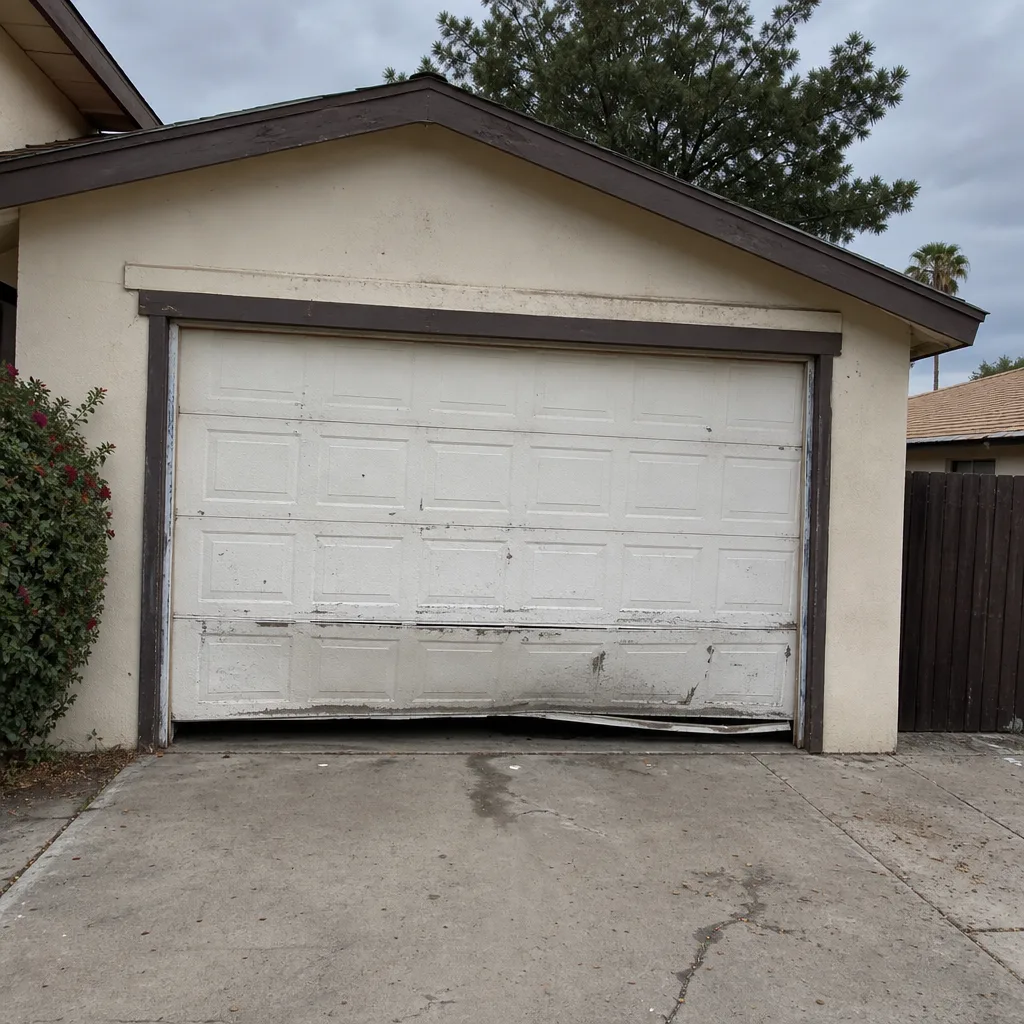 Before
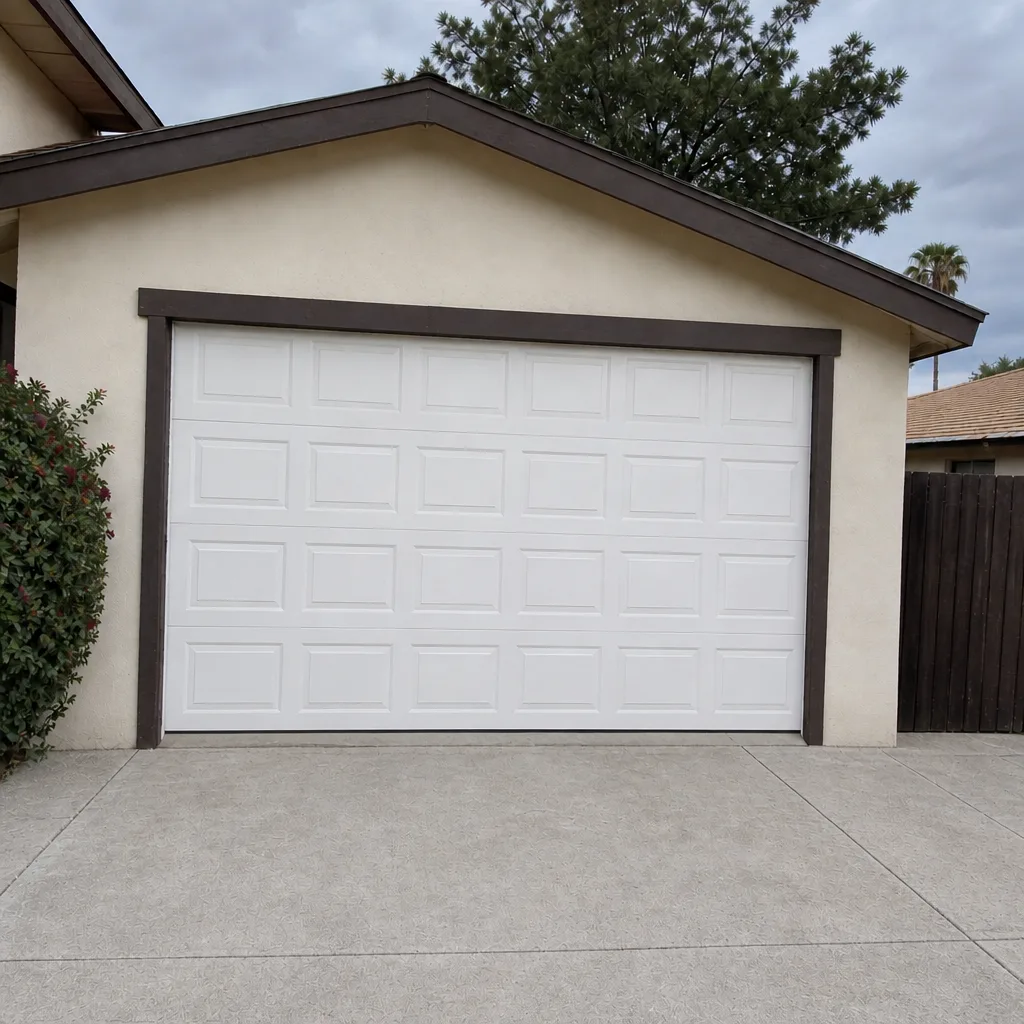 After
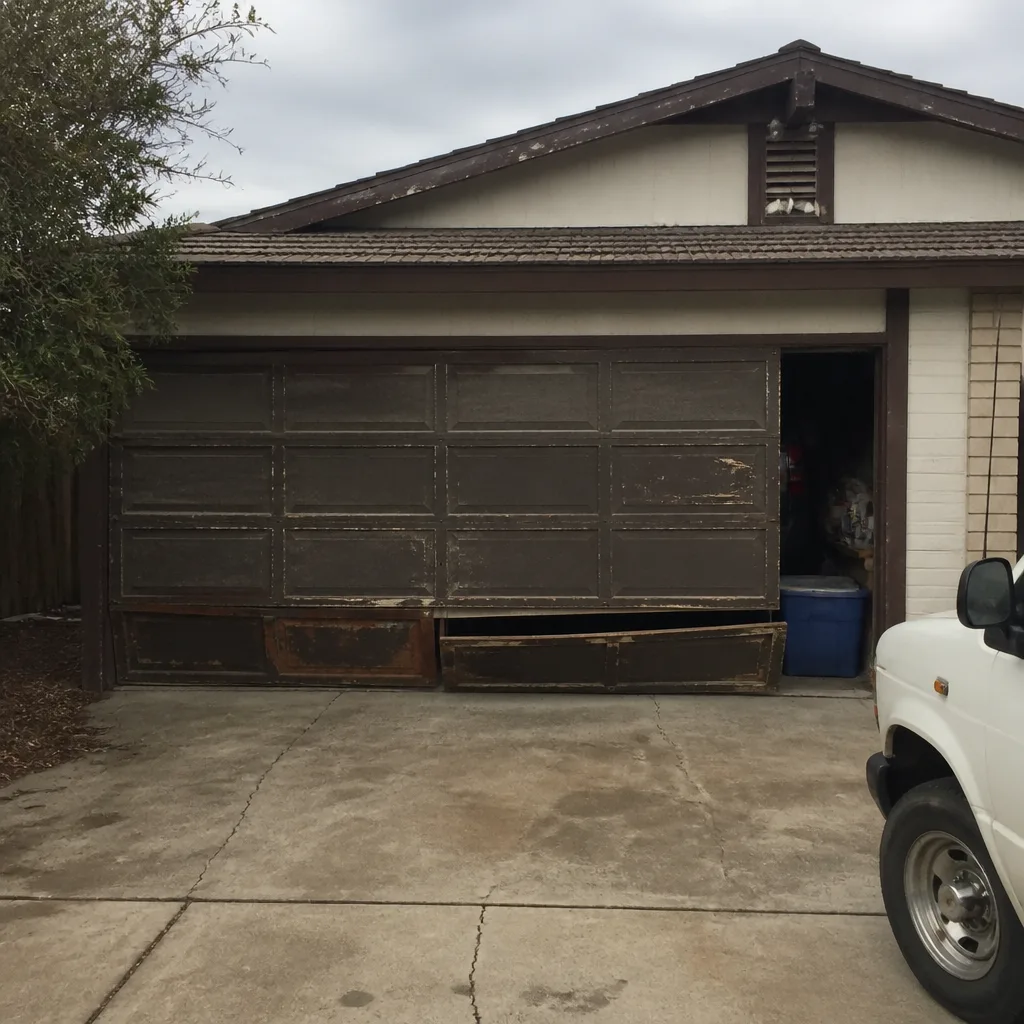 Before
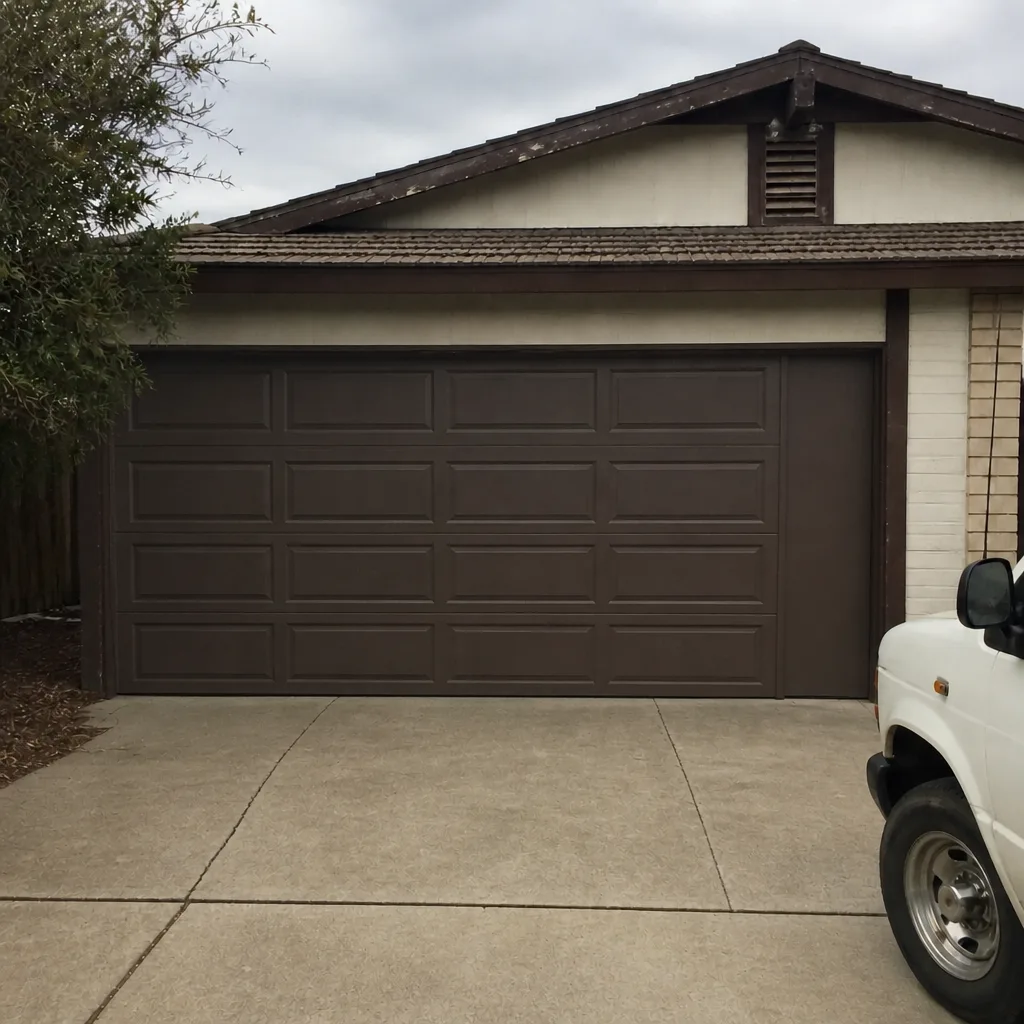 After
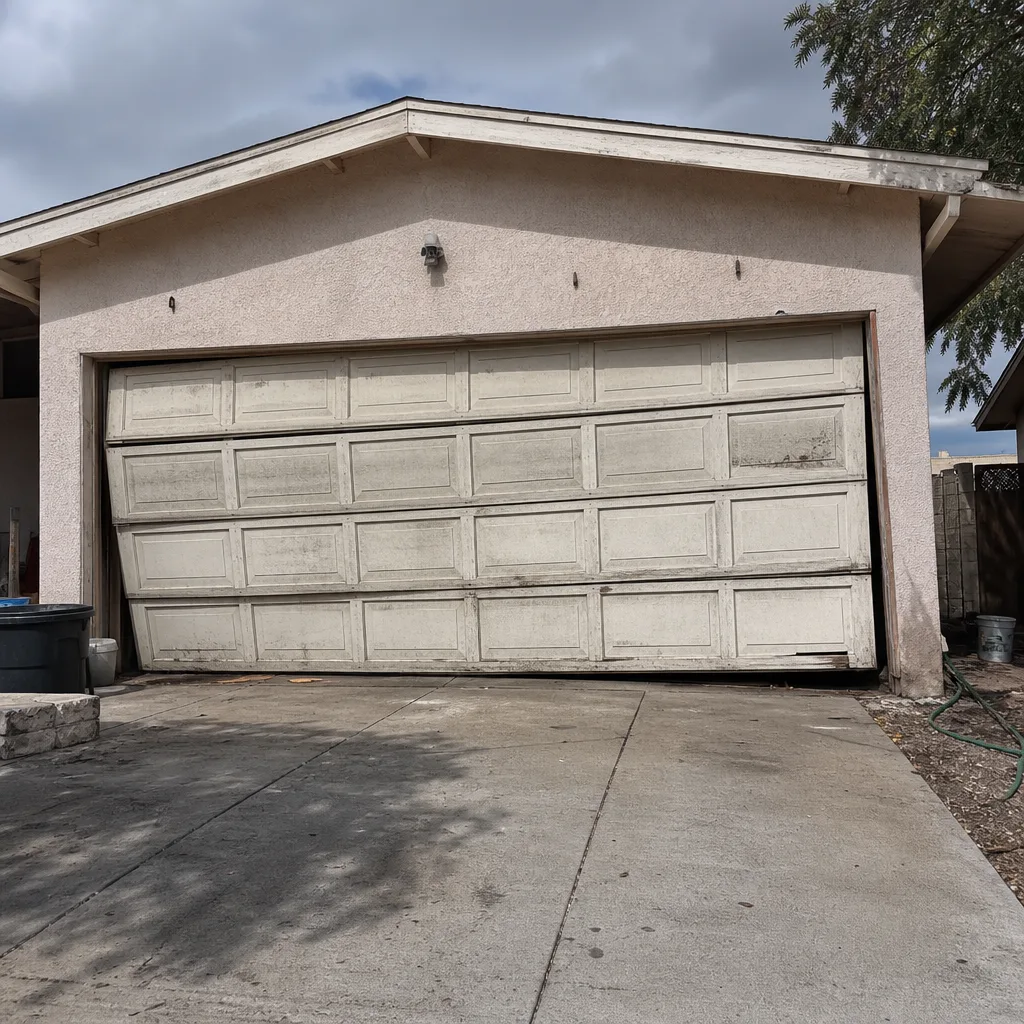 Before
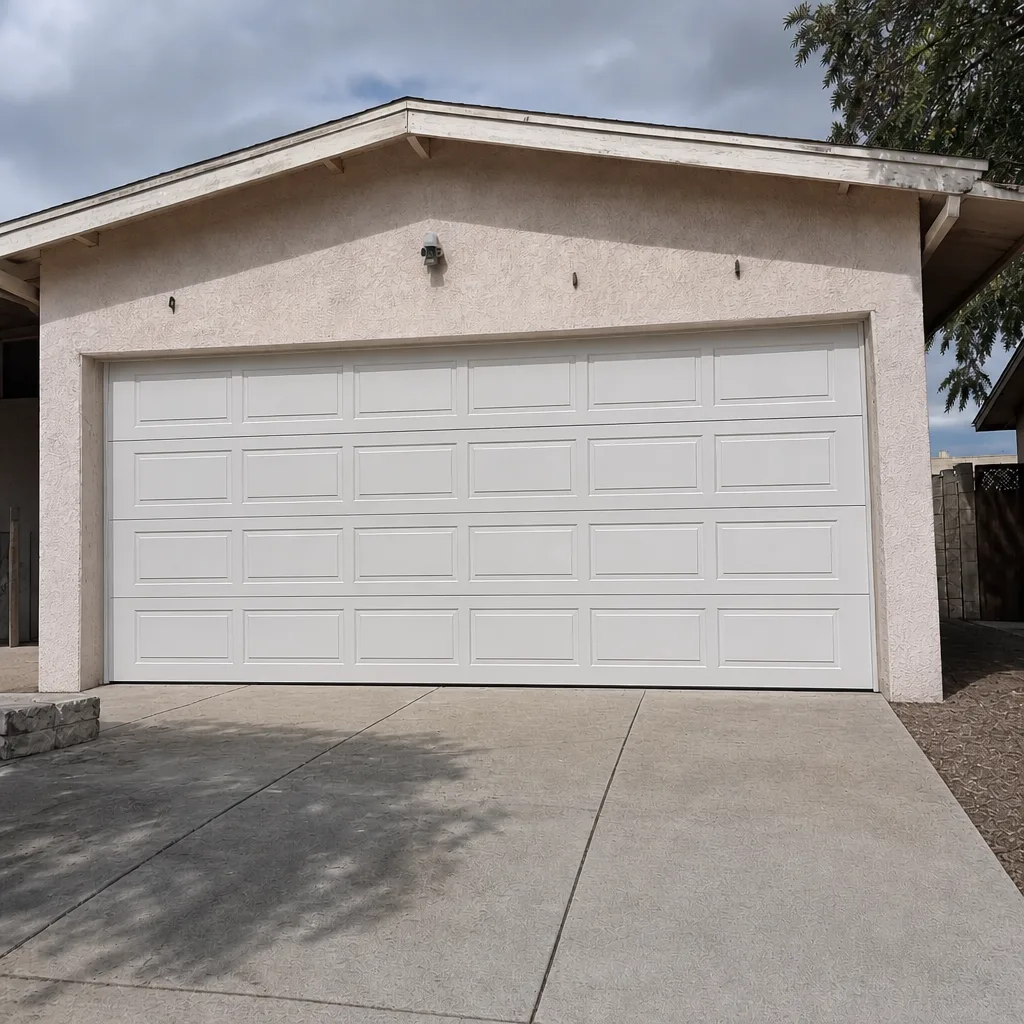 After