
Last updated November 15, 2026
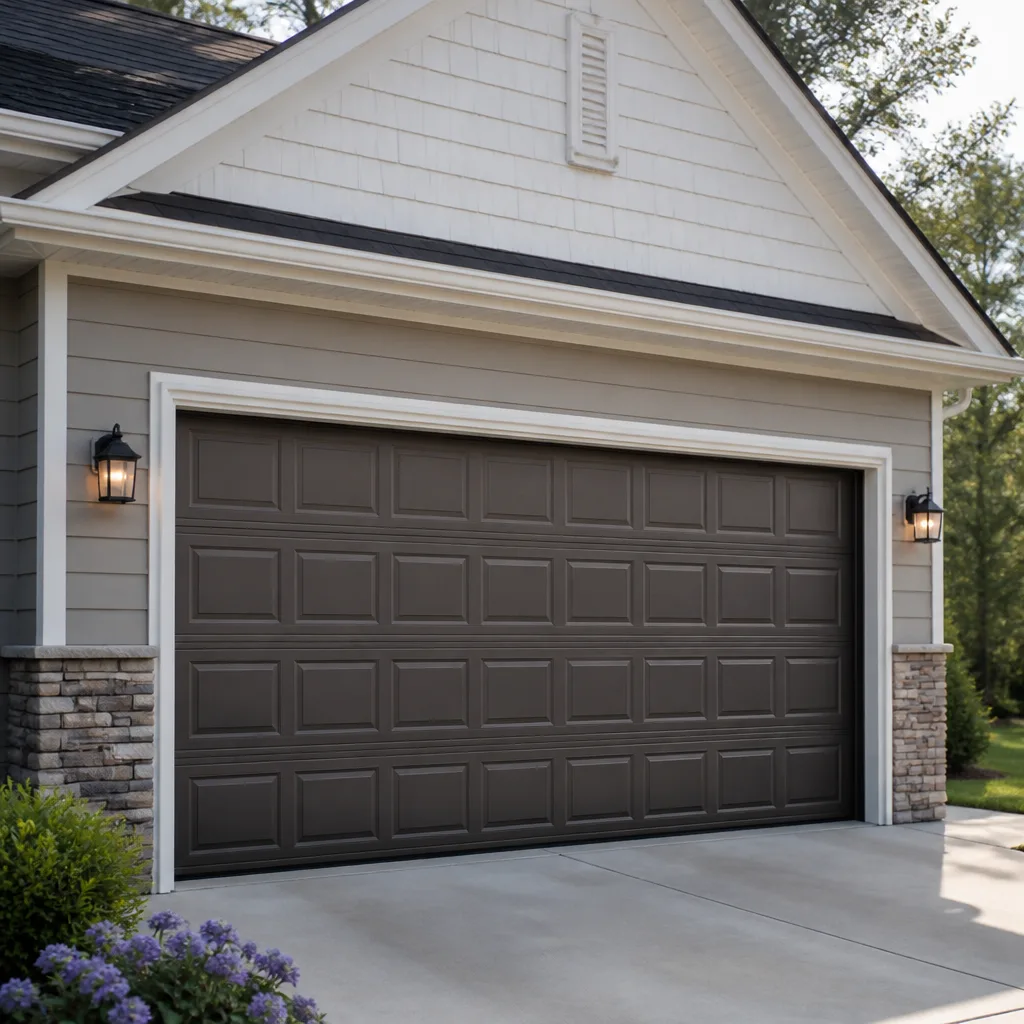 Raised-panel steel
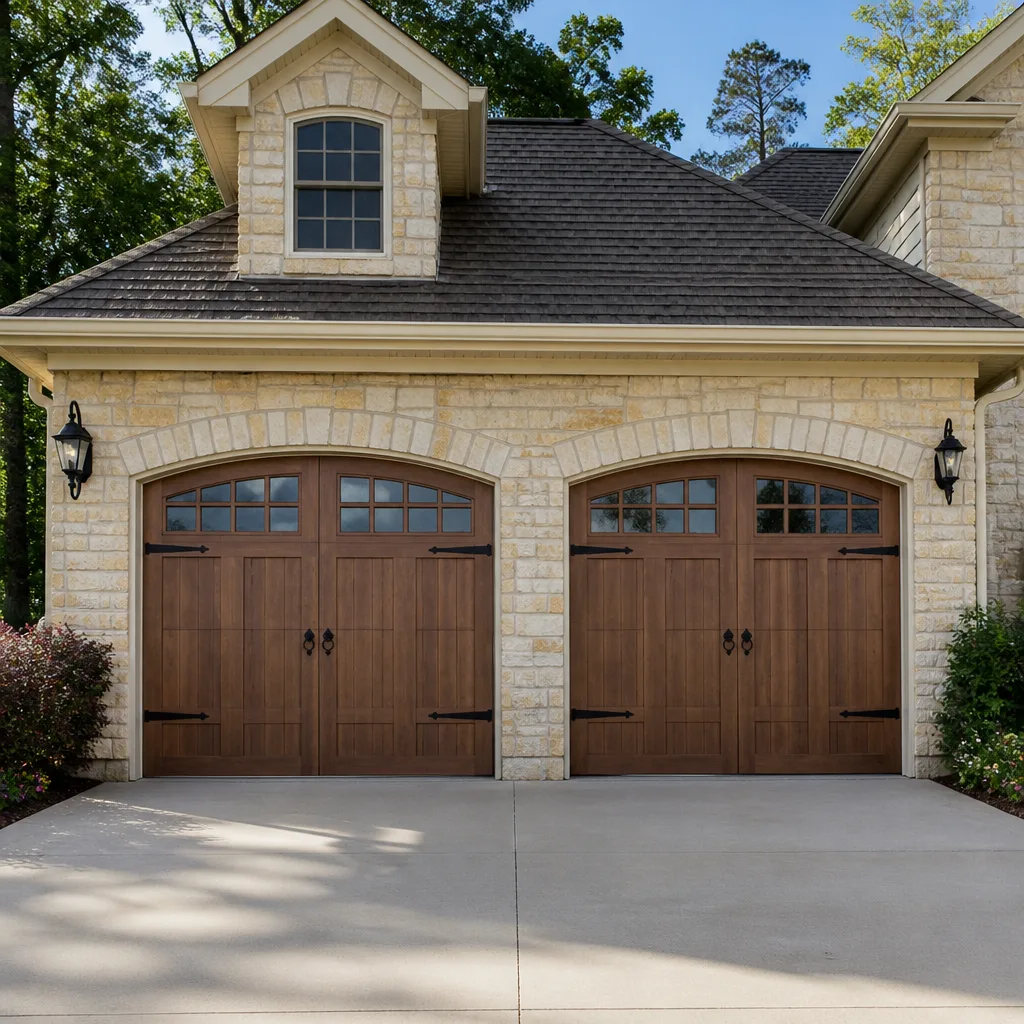 Carriage house
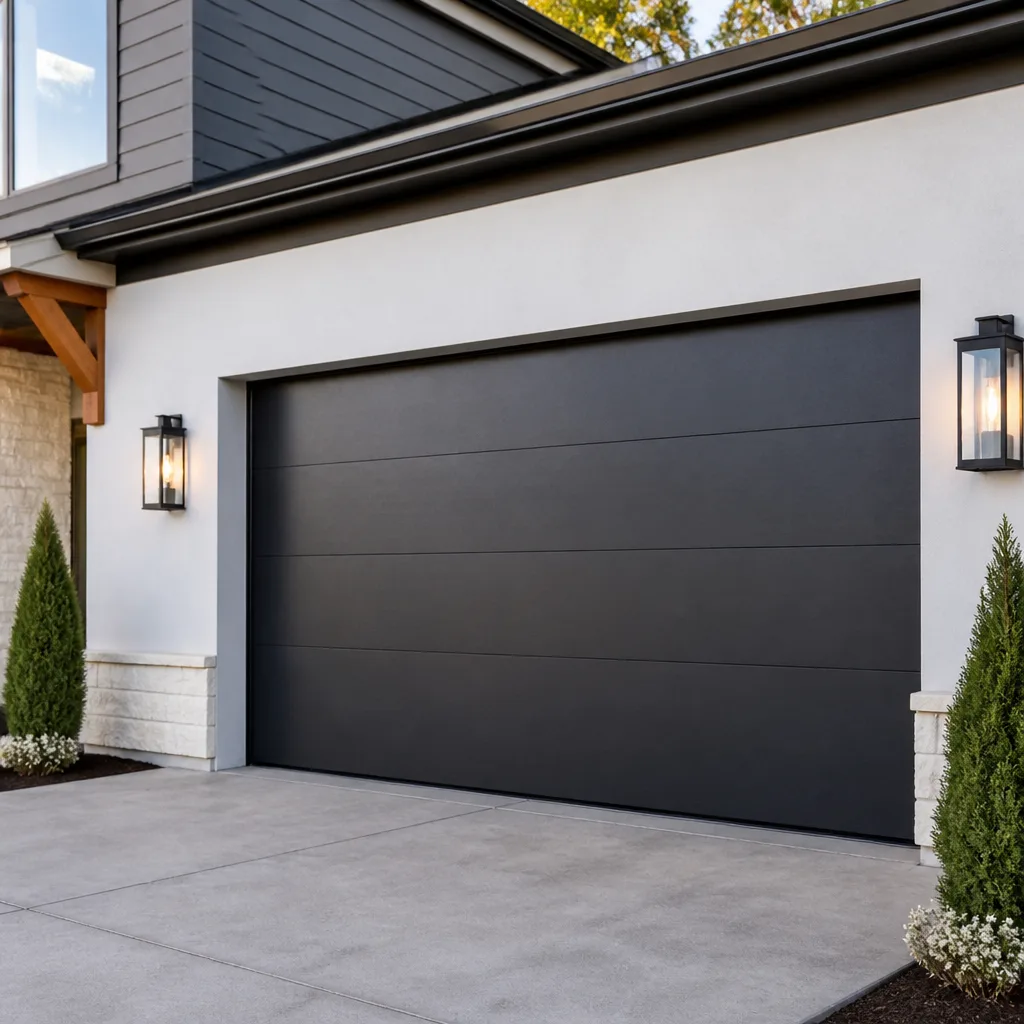 Modern flush
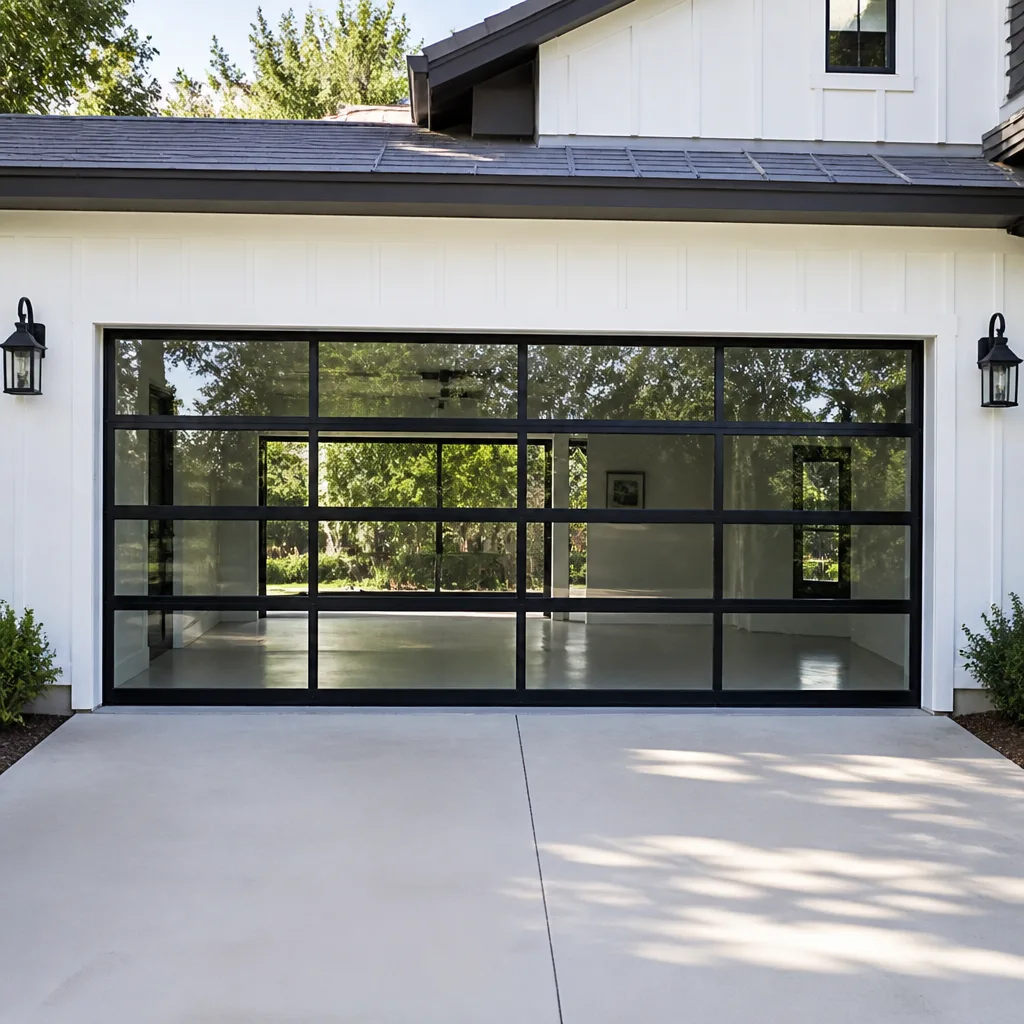 Full-view glass
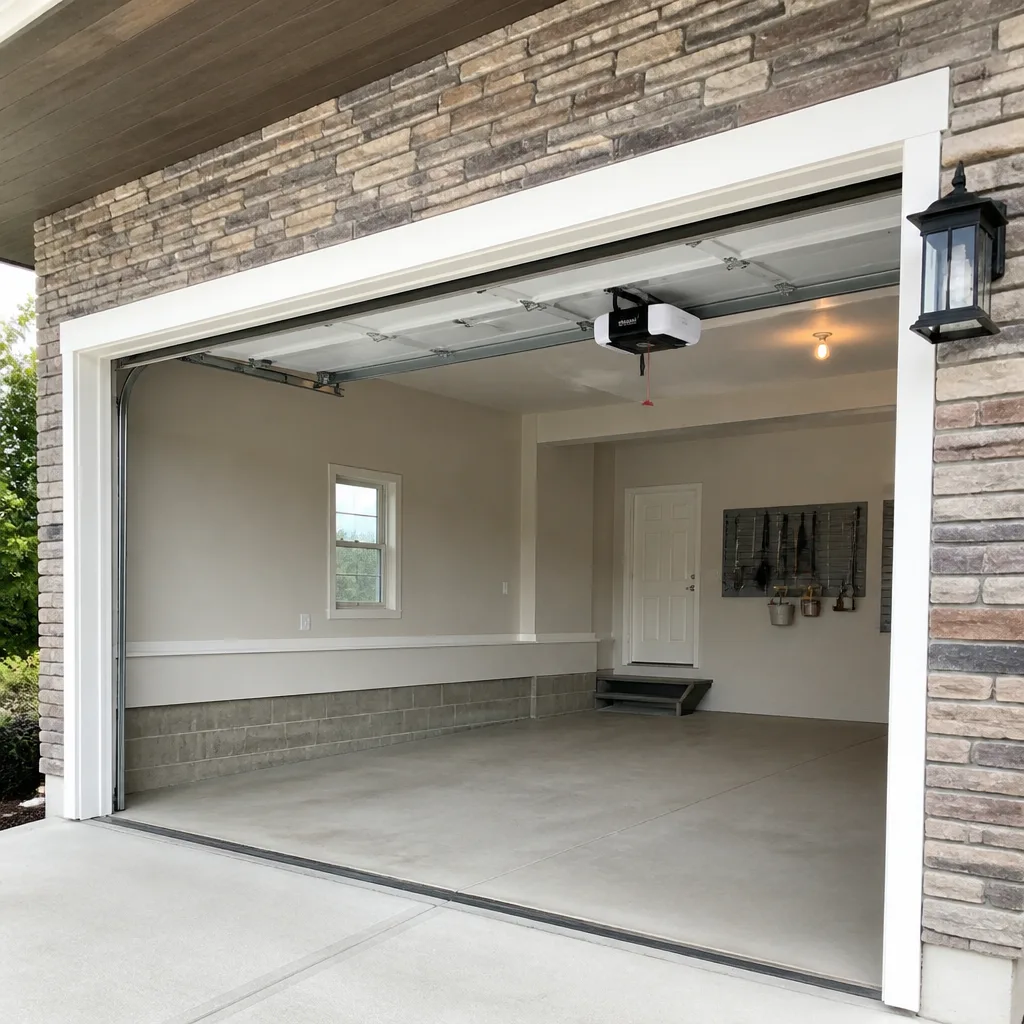 LiftMaster openers
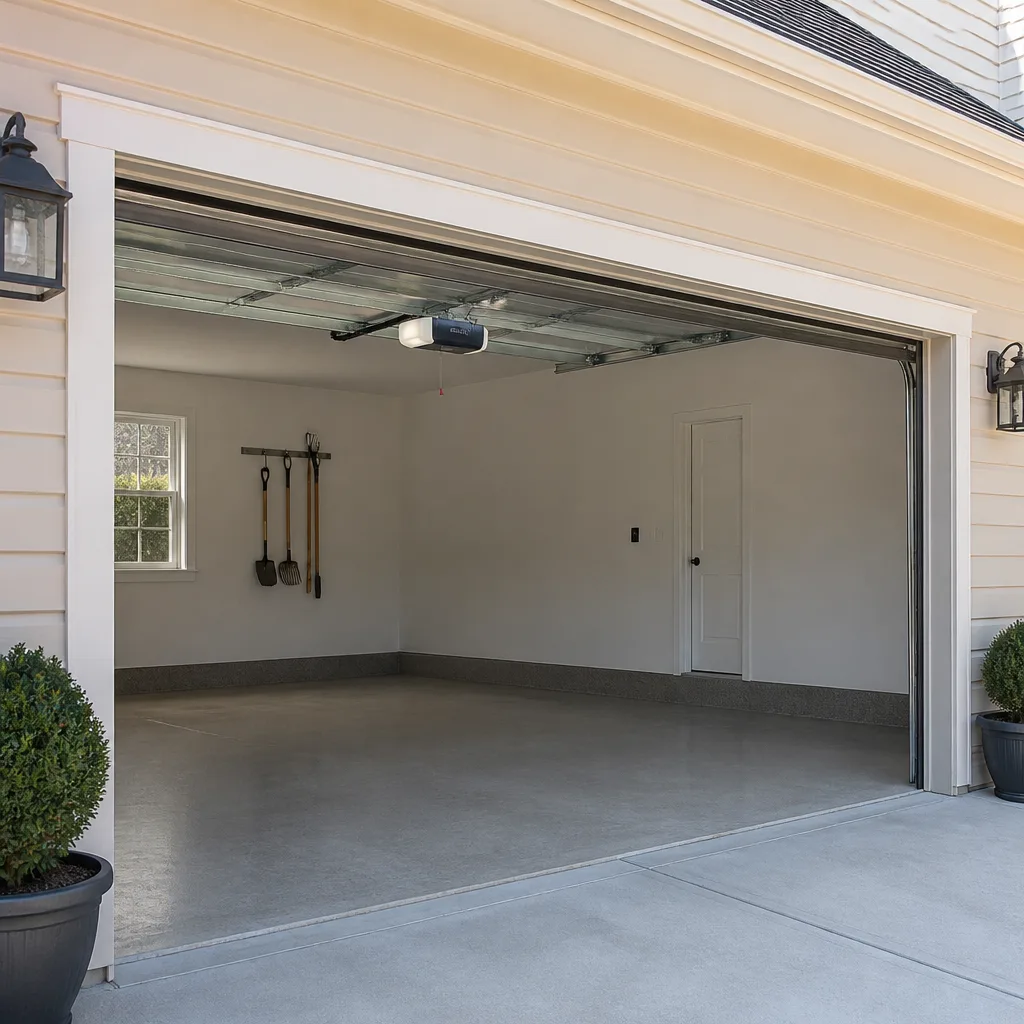 Chamberlain openers
Full 25-point door and opener safety check with every visit - springs, cables, rollers, tracks, and your LiftMaster or Chamberlain opener included
You get a price before we start. It does not change when the pro arrives.
Get your free estimateGarage Door Cost Breakdown: The Glendale Homeowner’s Reference for 2026
The $800 garage door you see advertised online is a door – not an installed door. In Glendale, by the time you add heat-rated springs, desert-spec weatherstripping, and disposal of the old unit, the same project typically lands between $1,400 and $1,900. That gap between the advertised price and the installed price is where most homeowners get surprised, and it’s the reason national average cost guides understate what people in Glendale’s market actually pay by somewhere in the range of 15 – 25%. This guide breaks down 2026 pricing component by component, explains why the valley runs higher than the national numbers, and shows you how to read a quote line by line so you know what’s legitimate and what’s padding.
Quick Answer
Garage door costs in Glendale, AZ in 2026 typically run $180 – $340 for a single torsion spring replacement, $275 – $525 for a new opener installed, and $1,400 – $1,900 for a standard single-car door installed with heat-rated components. Double-car and custom installations climb from there, and the written estimate always sets the final price – not this guide, and not a phone quote.
Styles & brands we work with
- Raised-panel steel
- Carriage house
- Modern flush
- Full-view glass
- LiftMaster openers
- Chamberlain openers
Table of Contents
- Component-by-Component Cost Map for Glendale
- Why Glendale Prices Run Higher Than National Averages
- How to Read a Quote Line by Line
- The Repair vs. Replace Inflection Point
- Opener Costs: Repair, Replace, or Add a New Drive System
- What a New Door Installation Actually Involves
- Financing and Warranty Structures to Compare
- Common Mistakes to Avoid
Component-by-Component Cost Map for Glendale
Here’s the part most cost guides skip: a garage door isn’t one price, it’s a stack of parts that fail on different schedules. Knowing the individual ranges in Glendale keeps a repair quote honest. These are typical 2026 estimates for the Glendale market, and your written estimate is what actually applies to your door.
| Component | Typical 2026 Range (Glendale) | Notes |
|---|---|---|
| Single torsion spring (replacement) | $180 – $340 | Per spring. Springs are usually replaced as a matched pair, roughly double. |
| Extension spring (replacement) | $150 – $290 | Per spring, older door systems. |
| Rollers (set of 10 – 12) | $120 – $220 | Nylon rollers outlast steel in valley heat. |
| Cables (pair) | $180 – $320 | Always replaced in pairs. |
| Bottom section / panel replacement | $300 – $700 | Depends on door style and whether the panel is still manufactured. |
| Weatherstripping (bottom seal) | $110 – $200 | Desert-spec seal resists UV breakdown. |
| Opener replacement (installed) | $275 – $525 | Chain, belt, or screw drive. |
| New single-car door (installed) | $1,400 – $1,900 | Includes heat-rated springs and old-door disposal. |
| New double-car door (installed) | $2,000 – $3,200 | Sectional steel, standard styles. |
When a spring lets go, the tension in the system releases violently. That’s a job for a trained technician, not a weekend project – the springs and cables carry enough stored force to cause serious injury. We handle spring and cable work as part of our garage door repair service, and we always test the door’s balance and travel after replacement to catch the related failure that often follows.
Why Glendale Prices Run Higher Than National Averages
If you’ve pulled a national cost guide and then gotten a local quote that came in higher, you’re not being overcharged – the national number doesn’t account for what Glendale doors actually go through. Three factors push prices up here.
Heat-rated component requirements. Valley summers are hard on springs, seals, and opener electronics. A standard spring rated for a milder climate shortens its cycle life fast in Glendale heat. Heat-rated springs cost more per part, but they last meaningfully longer, which is why a professional quote specifies them rather than grabbing whatever fits.
Desert installation conditions. The demand on a door here is seasonal and heavy – long stretches of daily use in high heat, followed by cooler months when the same hardware is asked to perform without the thermal expansion it’s used to. Technicians tune tension and balance differently in Glendale than they would in a coastal climate.
Local labor rates and same-day availability. A same-day repair costs more to deliver than a scheduled one, because it means holding capacity. That’s not a markup – it’s the cost of having a technician ready when a door fails and someone’s car is trapped inside the garage. If your situation can wait a day or two, a scheduled repair is often the more economical choice.
None of these factors is unique to one company. They’re market-level realities across the Glendale area. The trick is choosing a company that explains them in the quote rather than burying them.
How to Read a Quote Line by Line
A garage door quote should read like a parts list with prices, not a paragraph of reassurance. Here’s how to separate the legitimate from the padding.
Legitimate line items:
- Parts, named by type and quantity (a matched pair of springs, a set of rollers, a specific opener model).
- Labor, either included in the part line or shown separately.
- Disposal of the old door or opener, if applicable.
- Any permit line – most cities require a permit for structural changes, so ask your city’s building department whether your job needs one.
Padding to question:
- “Shop supplies” or “miscellaneous” fees with no detail. Ask what’s included.
- Charging for a “diagnostic” when you already told them what’s broken and they’re replacing a specific part.
- Pushing a full opener replacement when a single repair would solve the problem.
- Upsells to a higher-tier model with no stated benefit for your door’s size or weight.
Three questions to ask before you sign:
- Does this price include removal and disposal of the old parts or door?
- Is the price on this quote the price I’ll pay if nothing else turns up once you open it up?
- What warranty covers the parts, and what does it exclude?
The price should be quoted and agreed before any work starts. If a company won’t put a firm number on paper, that’s your signal to walk.
The Repair vs. Replace Inflection Point
Here’s the math homeowners ask us about constantly: at what repair cost does a new door become the smarter financial call? The rule of thumb is simple – if a single repair would cost more than a third of what a new installed door costs, replacement usually wins.
Break it down with the numbers from above. A heat-rated spring and cable job on a 10-year-old door might run $400 – $600. A new single-car door installed is $1,400 – $1,900. The repair is well under a third of the replacement, so repair it. But if you’re looking at a spring, a cable, three panels, and weatherstripping to the tune of $1,200 – $1,500 on a door that’s nearing the end of its service life, the replacement math tips your way.
The inflection checklist:
- Repair cost is approaching a third of new-door cost → weigh replacement.
- The door has visible damage to more than two sections → panels get expensive fast.
- The door is starting to sag or the tracks are bent → structural issues tend to multiply.
- The opener is older than the door and failing alongside it → replacing both at once usually saves on labor.
One local note: because Glendale’s climate shortens the service life of standard-grade springs and seals, a door that’s been running here for a decade-plus may have more wear than its age suggests. Have a technician assess the whole system, not just the failed part, before you decide.
Opener Costs: Repair, Replace, or Add a New Drive System
An opener is the second half of the system, and it fails on its own schedule. Typical Glendale 2026 ranges:
- Opener repair (gear, logic board, sensors, remote): $120 – $350, depending on the part.
- New opener installed: $275 – $525 for a standard chain, belt, or screw drive unit.
- Smart opener with Wi-Fi and app control: $400 – $650 installed.
Which opener fits your home? That depends on the door’s weight, the ceiling clearance, and whether you want quiet operation. A belt-drive opener is quieter and better for a bedroom above the garage; a screw drive is more durable for heavy doors. We’re factory-familiar with LiftMaster, Chamberlain, Genie, and Craftsman openers, so we work on whatever’s already on your ceiling rather than steering you toward a specific brand. If a new opener is the answer, we recommend what fits – not what pays us the most.
When the door and the opener are both failing, addressing them together usually costs less than two separate visits. That’s the advantage of a company that handles both the door and the drive system rather than sending you to a second contractor for the electronics. Our garage door opener repair service covers the opener side of the equation on its own.
What a New Door Installation Actually Involves
A new door is measured, ordered, and scheduled – not something delivered same-day. Here’s the sequence, and what it means for your timing and your budget.
- Measure and quote. A technician measures your opening, checks headroom and side clearance, and confirms whether you need a standard or extended track.
- Select the door. Steel, insulated or not, panel style. This is where you choose the door that fits your home and budget, not a brand someone is pushing.
- Order. Most doors arrive in a few days to a couple of weeks, depending on the manufacturer and style.
- Remove and dispose. Old door down, hauled away. Confirm this is in the quote.
- Install. New tracks, hinges, rollers, springs, and the door itself. Heat-rated springs go on here.
- Test and balance. The door should open and close smoothly, reverse on contact, and hold its position at mid-travel. If it doesn’t, it’s not finished.
The installation price includes the door, hardware, springs, and labor. It should not include surprises. In Glendale, we set the number in writing before the order goes in. And because there’s no same-day promise on installation, the emphasis is on measuring right the first time rather than speed.
Financing and Warranty Structures to Compare
A 10-year parts warranty sounds generous until you read what it excludes. In desert conditions, that exclusion list matters more than the headline number.
What a typical parts warranty covers:
- Manufacturing defects in the door sections, hardware, and springs.
- Some springs are warranted for a set number of cycles rather than years, which is a different promise entirely.
What it usually excludes:
- Normal wear from heat and daily use.
- Damage from impact or improper installation.
- Labor to replace the part – this is the big one. A “free” part can still cost you a service charge to install it.
What to ask:
- Is the warranty on parts only, or does it cover labor too?
- Is the spring warranty measured in years or in cycles? Cycles are what actually run out.
- Does the warranty transfer to a new owner if you sell the house?
On financing: we don’t quote financing terms, and we don’t offer promotions or payment plans. What you get is a written estimate, per job. If you’re comparing a quote that includes financing against one that doesn’t, price the job on its own merits first, then decide whether any payment structure actually helps you.
Common Mistakes to Avoid
- Comparing a door price to an installed price. The online “$800” number is the door alone. In Glendale, installed cost with heat-rated parts and disposal is the real comparison.
- Skipping the balance test after a spring replacement. A door that isn’t balanced will wear out its new springs and opener prematurely. Ask for the test.
- Letting a company replace only one spring in a matched pair. When one spring breaks, the other is the same age and under the same load. Replacing the pair costs more upfront and less over the next few years.
- Ignoring weatherstripping in the desert. A worn bottom seal lets in dust and heat, and it puts extra strain on the opener. It’s a small line item with a big payoff.
- Accepting a phone quote as final. A real quote requires seeing the door. A phone figure is a guess, and the written estimate is what counts.
- Choosing a company that only handles one half of the system. If your door and opener are both aging, a single company that covers both saves you a second visit and a second diagnostic.
- Overlooking the permit question. Most cities require a permit for structural garage door changes. Ask your city’s building department before work begins, and make sure the company knows it’s your responsibility or theirs.
See the difference
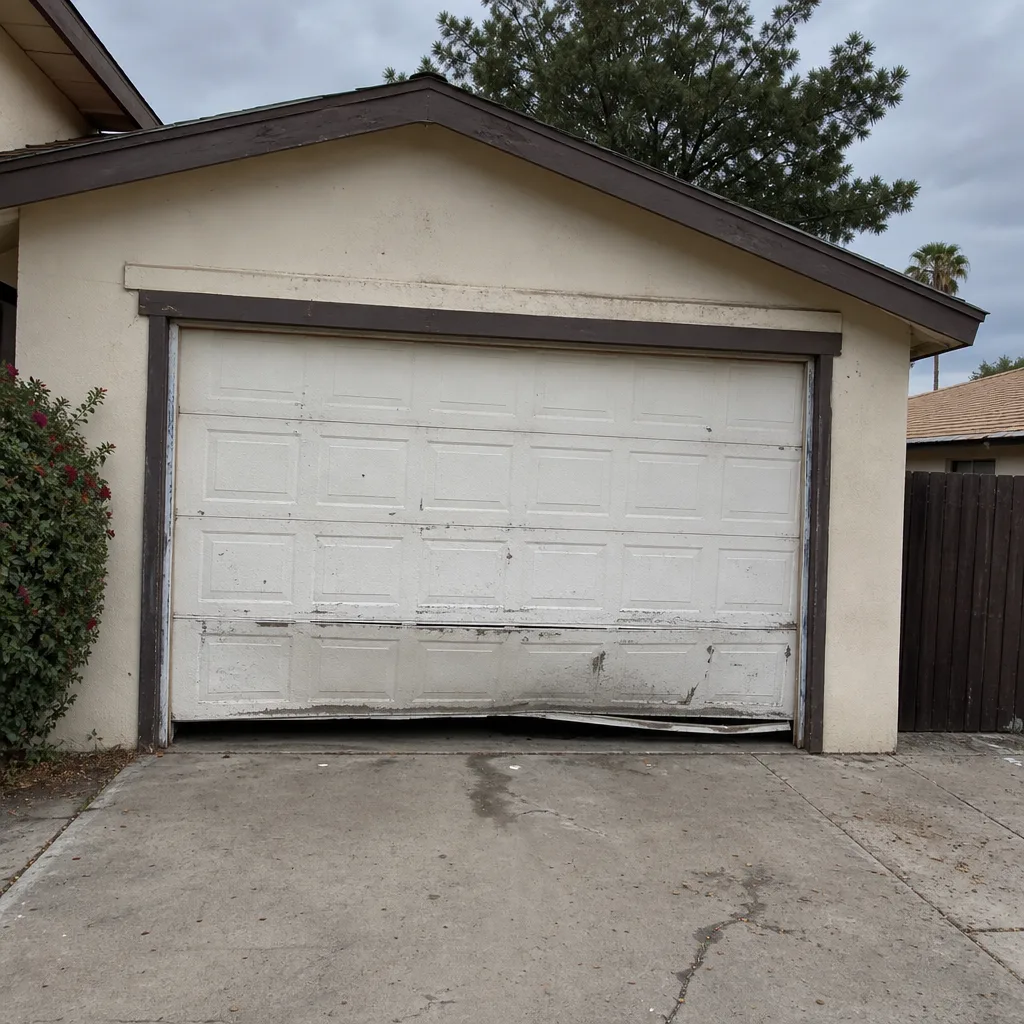 Before
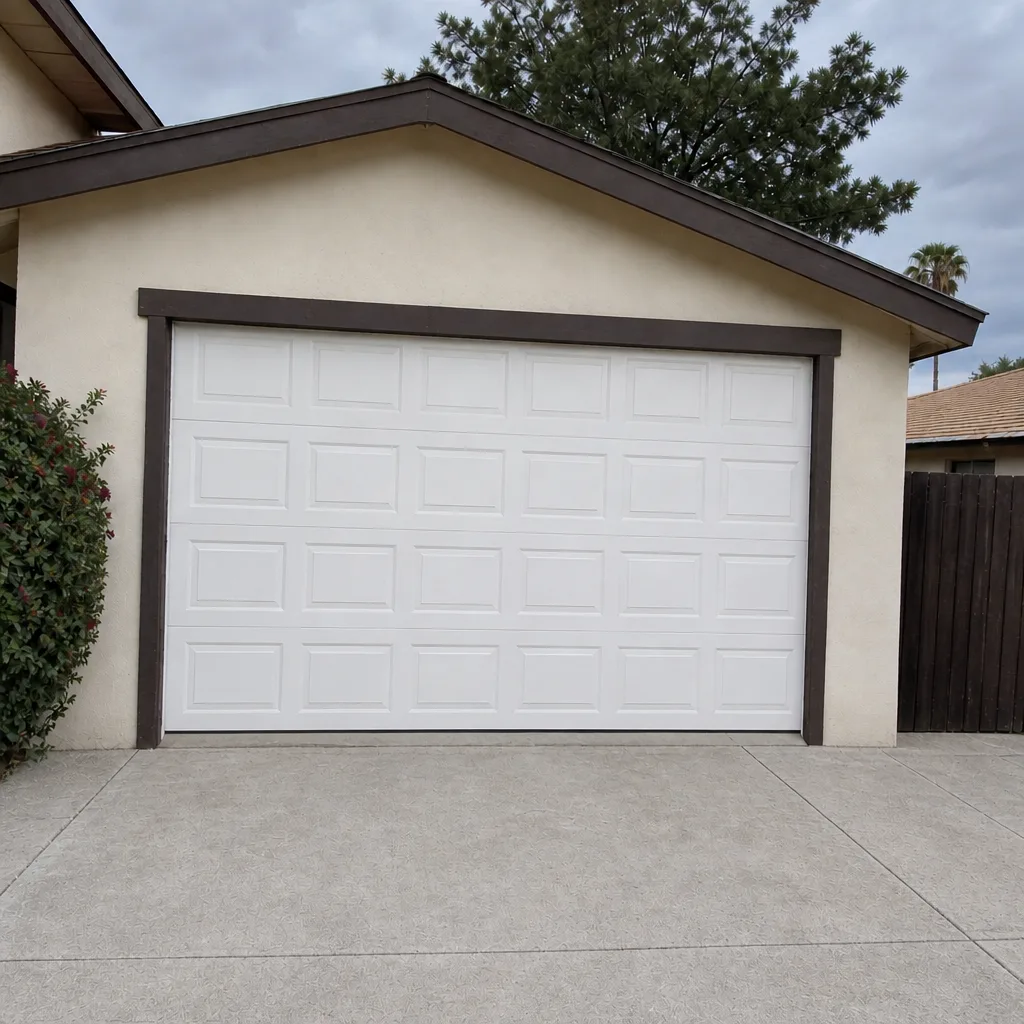 After
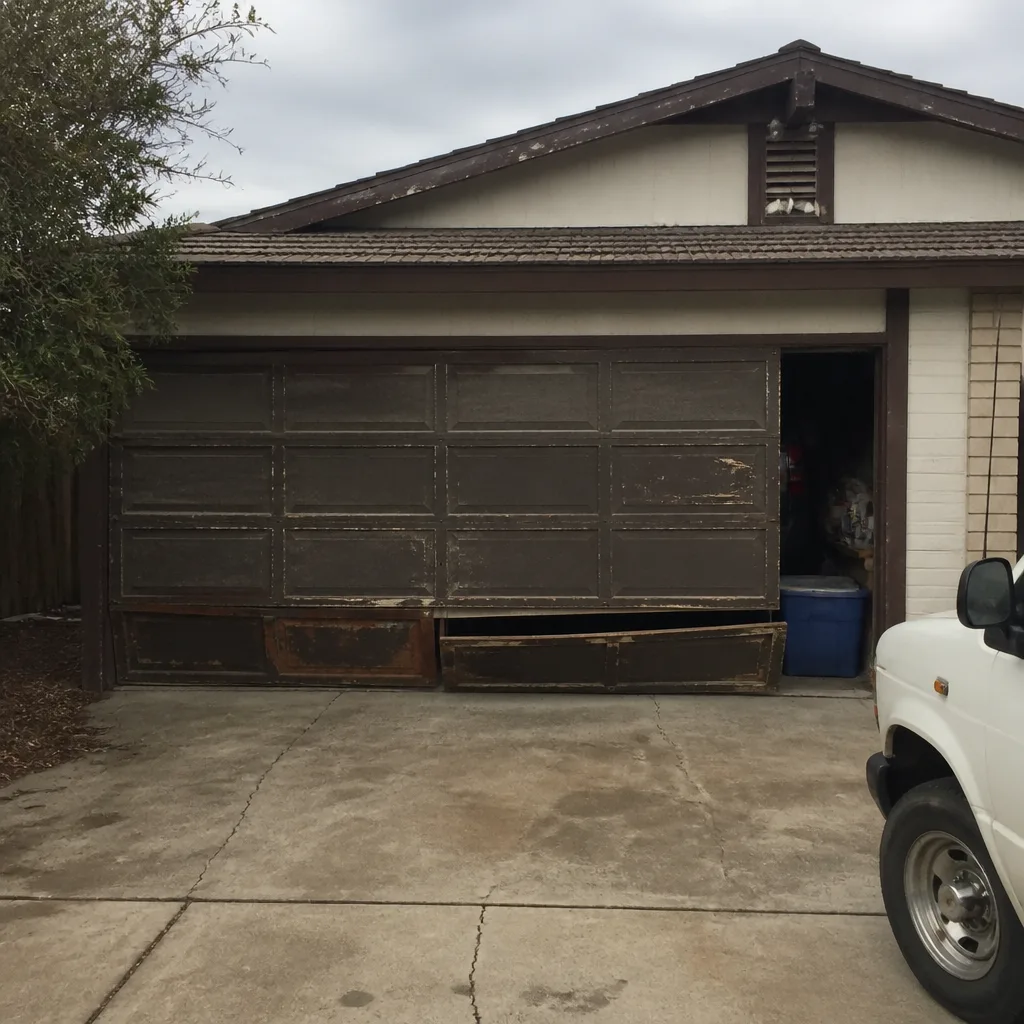 Before
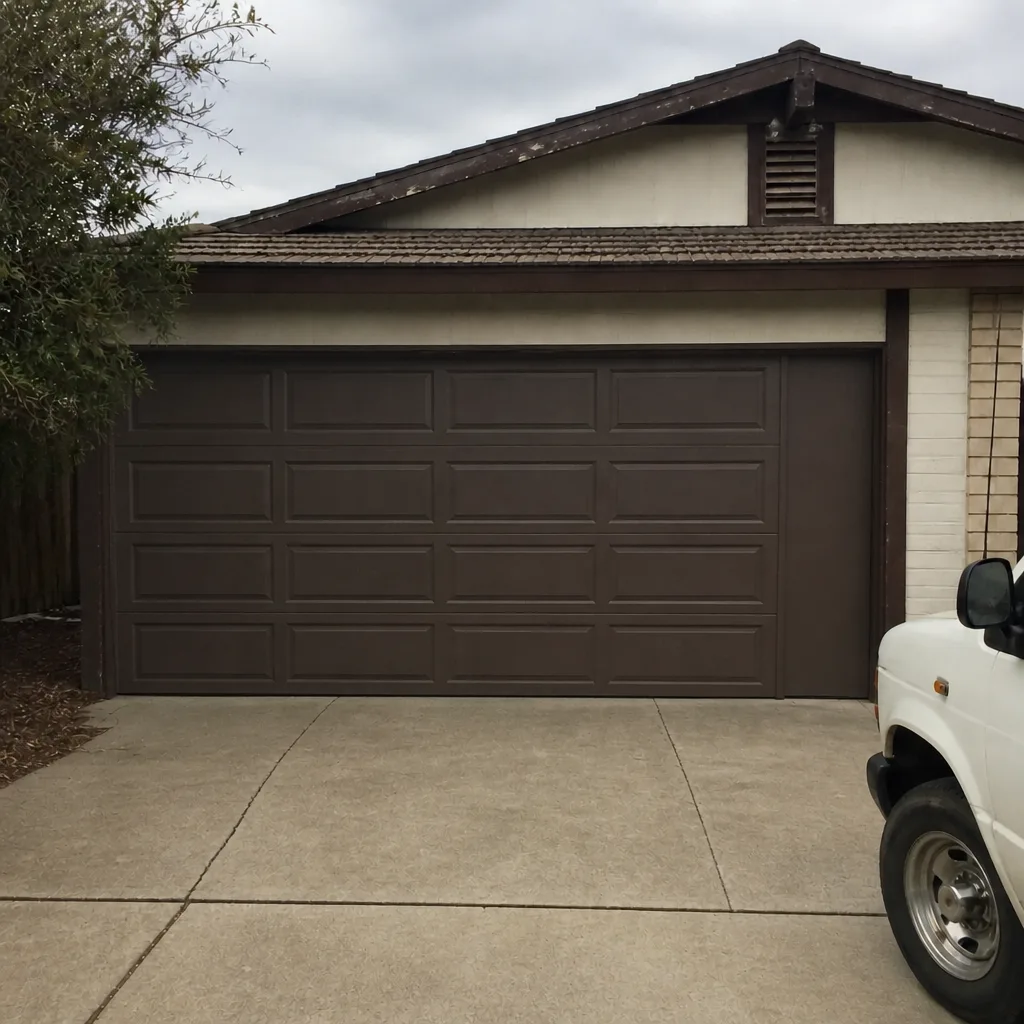 After
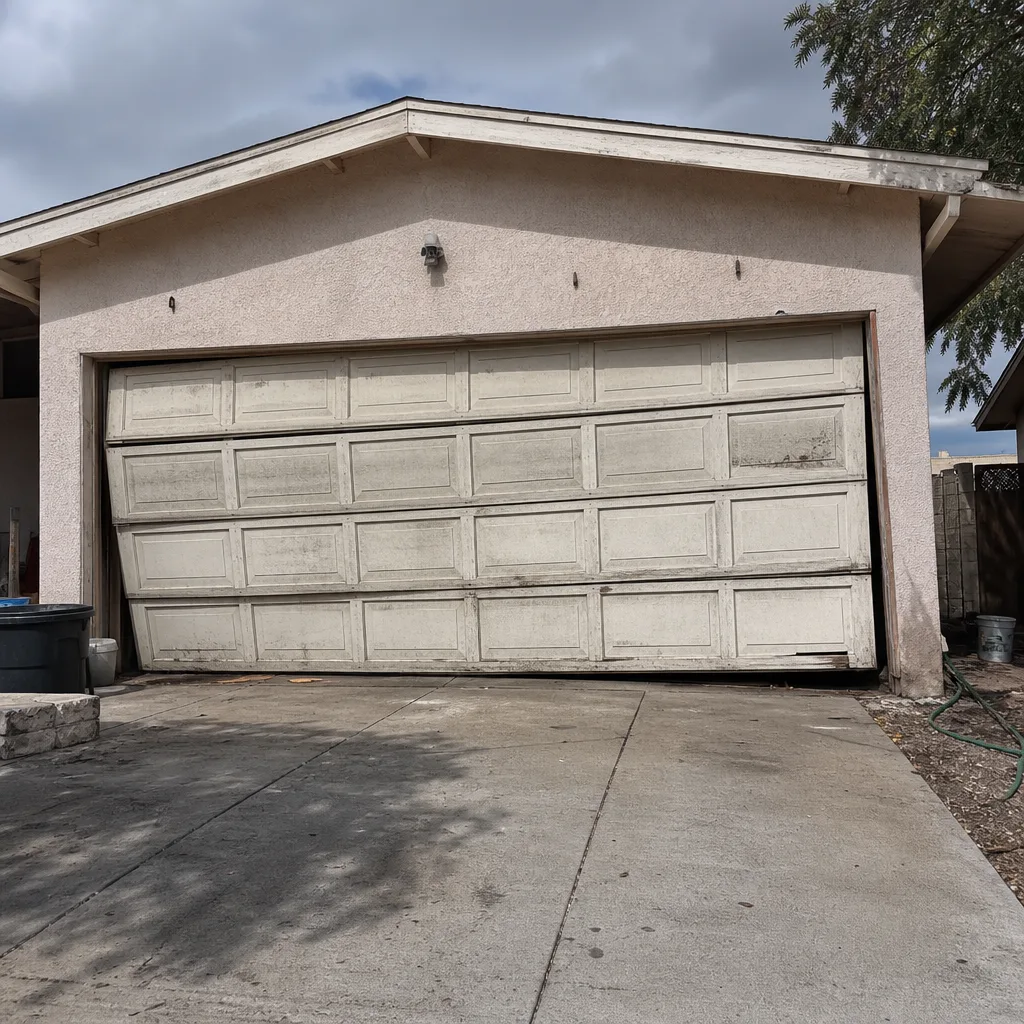 Before
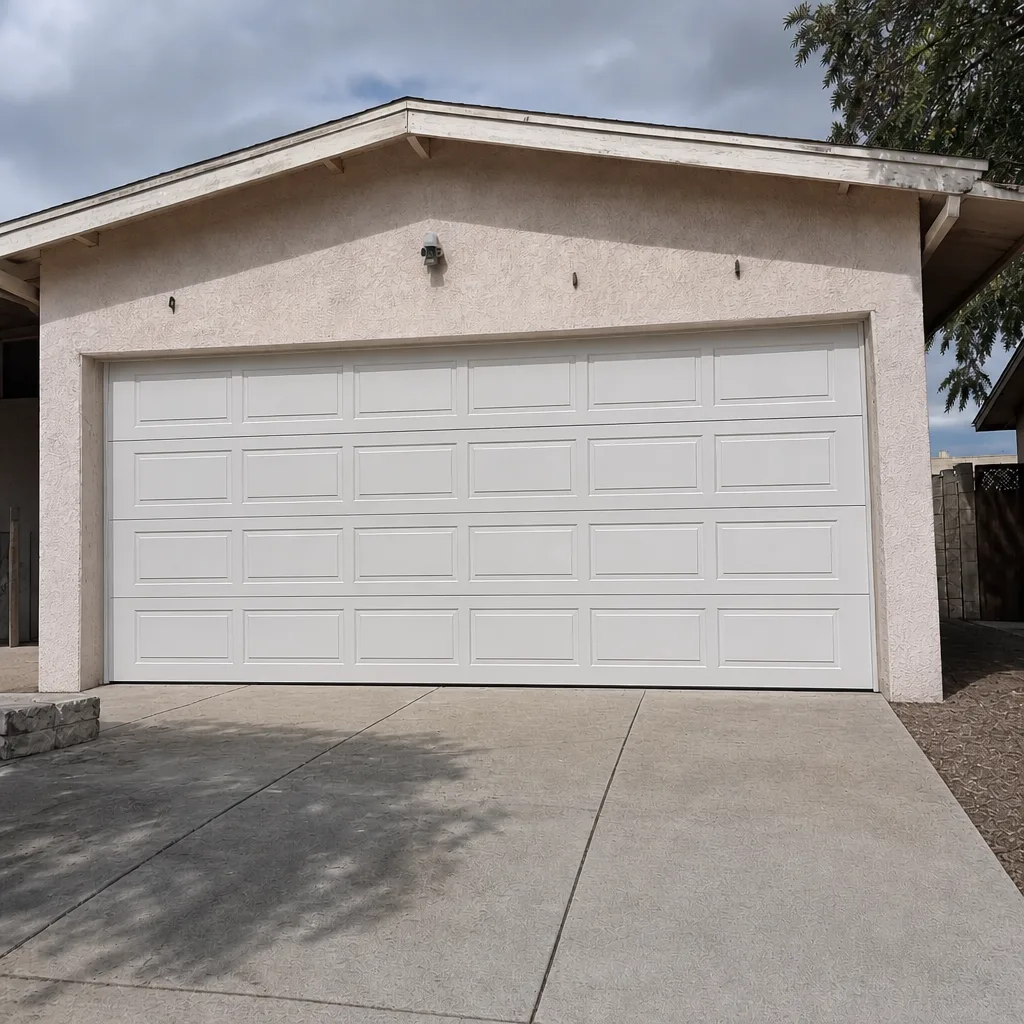 After
When to Call a Professional
Some garage door problems are safe to live with for a day. Others aren’t. Call a professional when a torsion spring has snapped and the door won’t lift, when the door comes off its track or hangs crooked, when the opener runs but the door doesn’t move, or when you hear a loud bang from the garage and find the door stuck half-open. Never try to lift a door with a broken spring – the door can weigh hundreds of pounds and come down. Springs, cables, and opener wiring all carry real risk, and a trained technician has the tools and the safety practices to handle them. If you’re in Glendale and your door is failing, Pearl Garage Door Repair offers free estimates – call (877) 490-7828. We answer 24/7, with fast dispatch from 7am to 7pm, Sunday through Friday.
Frequently Asked Questions
A single-car garage door installed in Glendale typically runs $1,400 – $1,900, and a double-car door runs $2,000 – $3,200, including heat-rated springs and old-door disposal. These are estimates – your written quote sets the final price. Call (877) 490-7828 for an exact figure on your door.
Heat-rated springs and seals, desert installation conditions, and local labor rates push Glendale prices roughly 15 – 25% above national averages. The national guides don’t account for the component specifications this climate requires. Call (877) 490-7828 and we’ll walk you through what your door needs.
A single torsion spring replacement in Glendale typically costs $180 – $340, and since springs are usually replaced as a matched pair, a pair runs about double that. The written estimate confirms the number before work starts. Call (877) 490-7828 – estimates are free.
Same-day repair is often available for a door that won’t open or close. We answer 24/7, and fast dispatch runs 7am – 7pm, Sunday through Friday; a call outside those hours is booked into the next opening. Call (877) 490-7828 and we’ll get you scheduled.
No – the written estimate sets the price, and we quote and agree it before any work starts. If something unexpected turns up once the door is open, we stop and talk to you before doing anything that changes the number. Call (877) 490-7828 for a free estimate.
Yes – the technicians who perform the work are state-licensed and insured. We work on the eight major brands homeowners most commonly have installed, including Amarr, Wayne Dalton, Craftsman, and Raynor, so we’re not learning your door on the job. Call (877) 490-7828 to book an estimate.
The Bottom Line
The gap between an advertised door price and an installed price in Glendale is real, and it comes from heat-rated springs, desert-spec seals, and disposal. Expect $1,400 – $1,900 for a single-car door installed, $180 – $340 for a single spring, and $275 – $525 for a new opener. Read every quote line by line, ask whether the warranty covers labor, and use the one-third rule when weighing repair against replacement. The written estimate is the price, and it should be agreed before work begins. That’s the standard worth holding any company to.
When you’re ready for a clear number on your own door, Pearl Garage Door Repair handles repair, opener service, and new installation under one name. We work on your brand, diagnose and fix rather than patch, and recommend the right door for your home instead of our preferred one. Call (877) 490-7828 for a free estimate. We answer 24/7. Fast dispatch from 7am to 7pm, Sunday through Friday.
Written by the team at Pearl Garage Door Repair.