
Last updated November 15, 2026
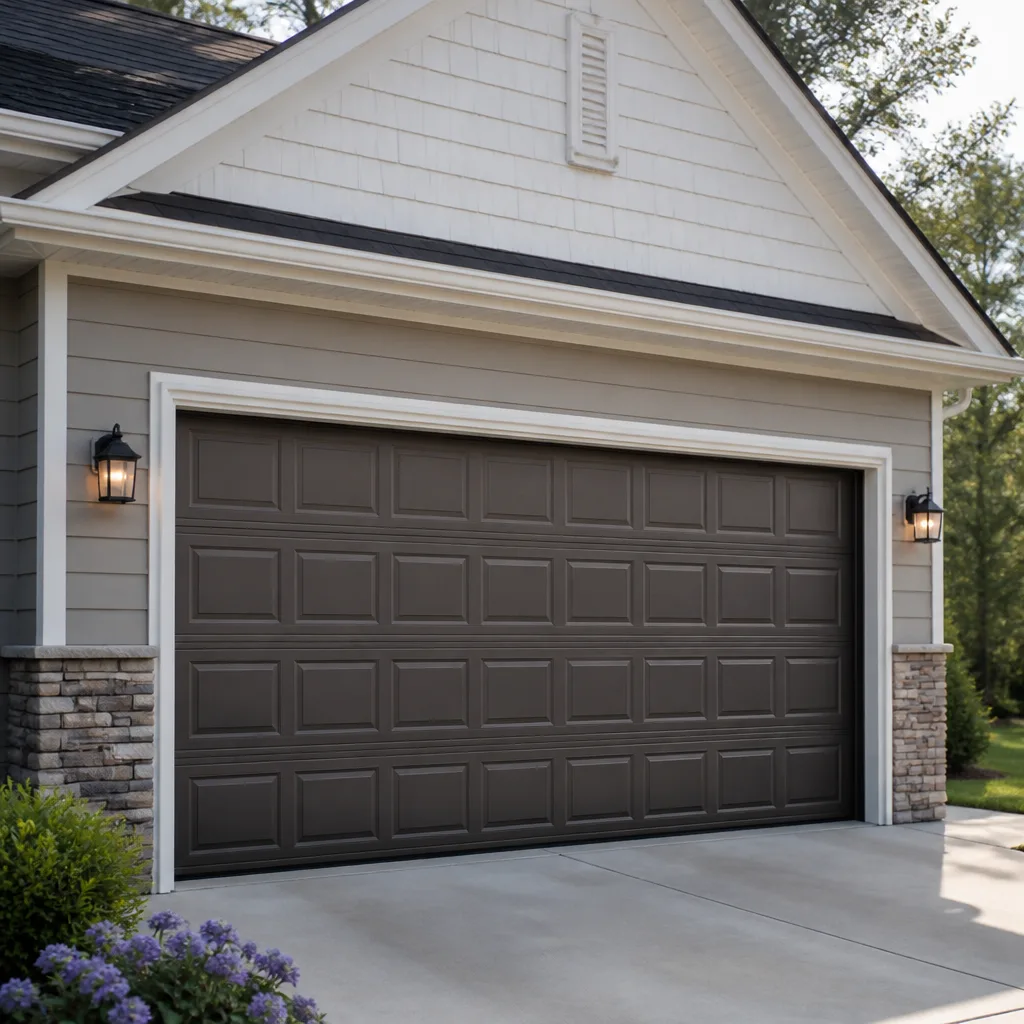 Raised-panel steel
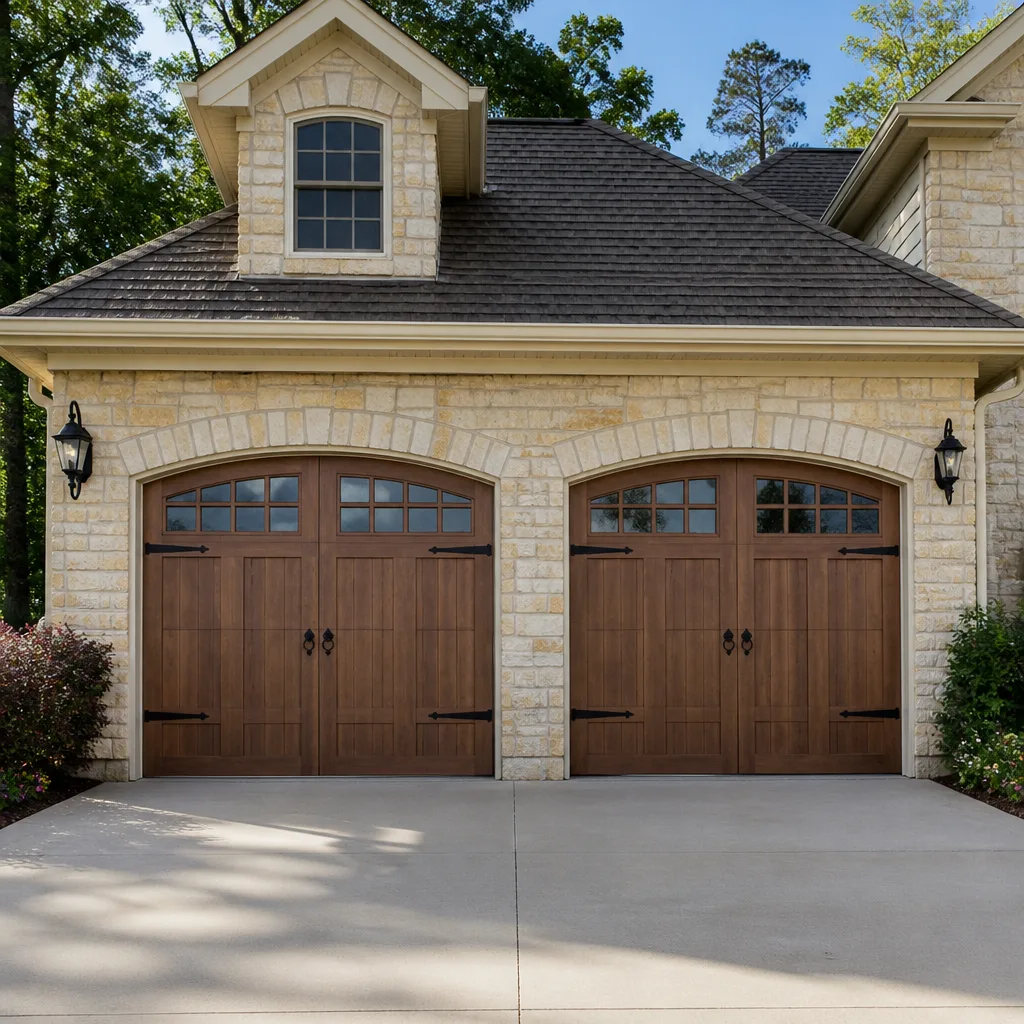 Carriage house
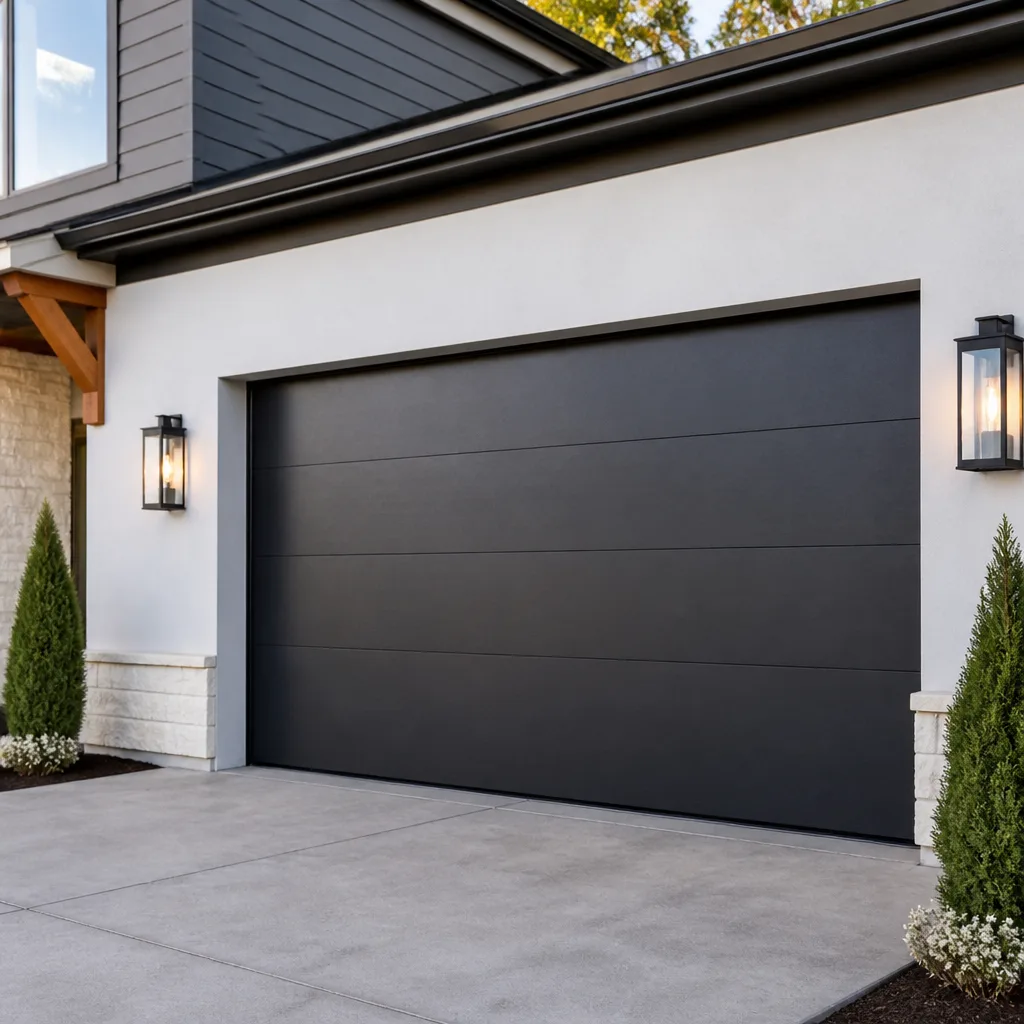 Modern flush
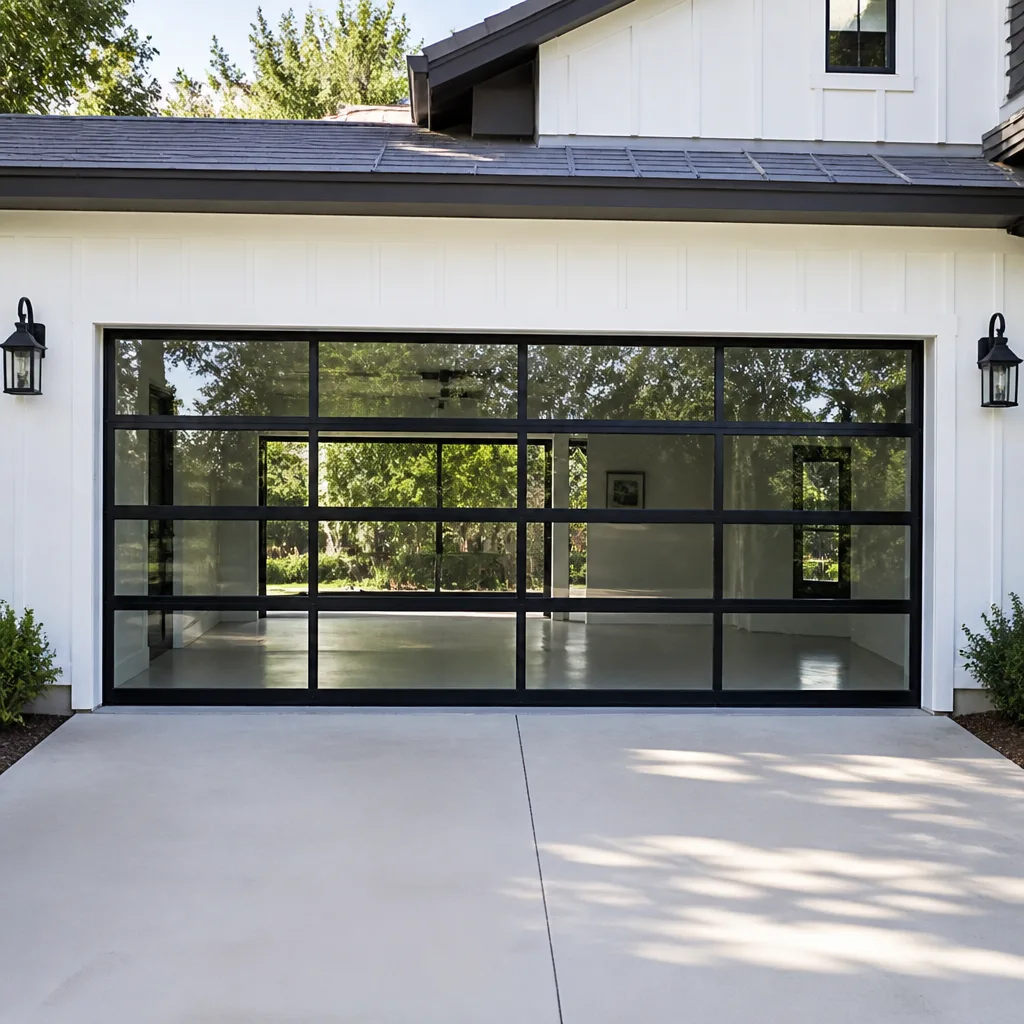 Full-view glass
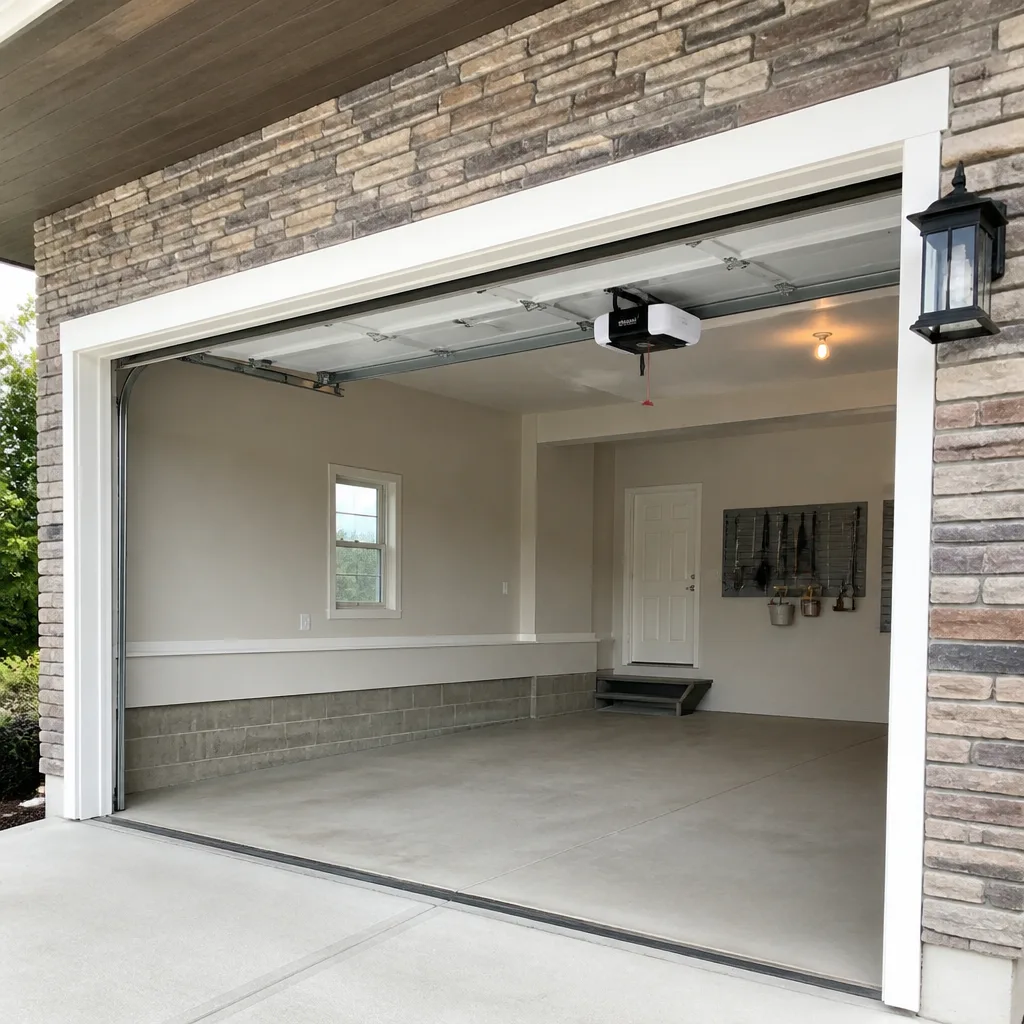 LiftMaster openers
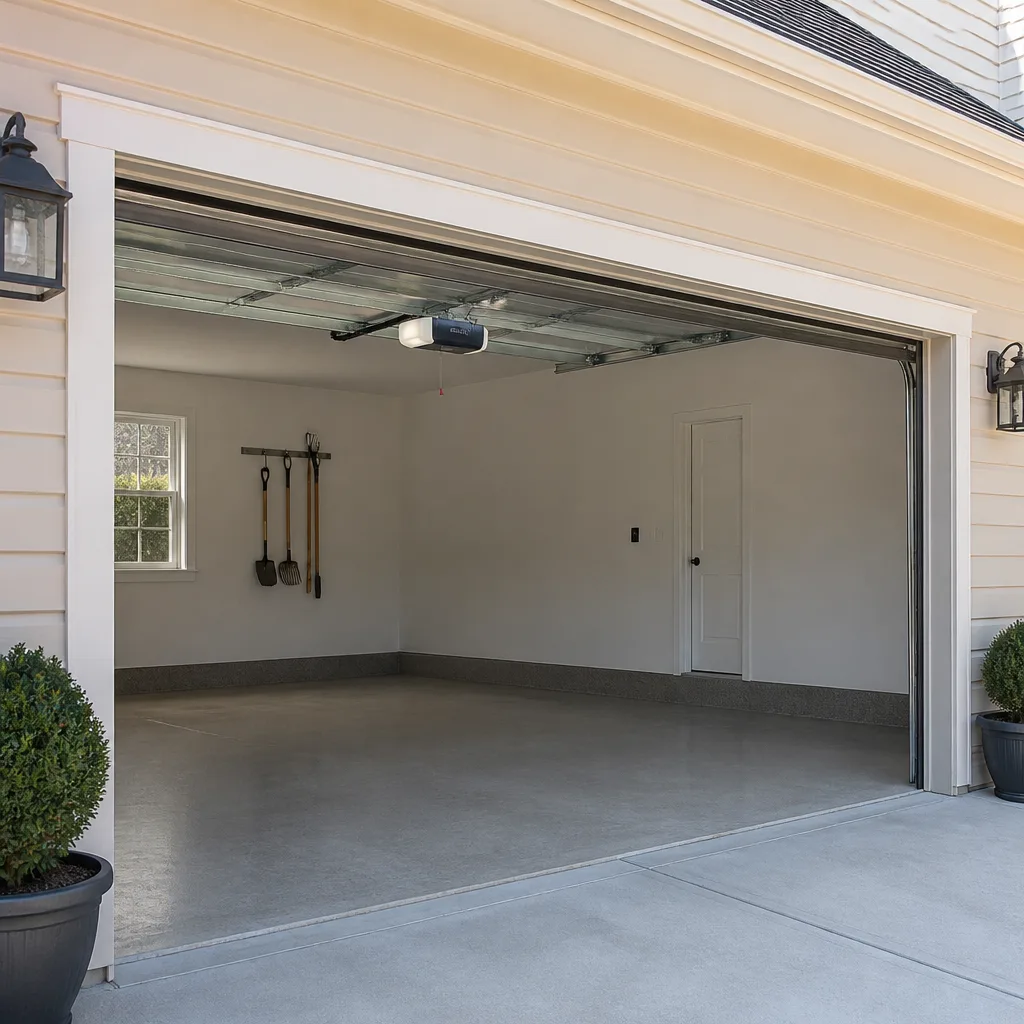 Chamberlain openers
Full 25-point door and opener safety check with every visit - springs, cables, rollers, tracks, and your LiftMaster or Chamberlain opener included
You get a price before we start. It does not change when the pro arrives.
Get your free estimateChoosing the Right Garage Door Brand: A Buyer’s Guide for Glendale
Most homeowners choose a garage door brand by recognition, and in milder parts of the country that’s a reasonable shortcut. In Glendale, recognition alone gets you a door that looks right for a couple of seasons and then starts telling you what it’s actually made of: chalky paint, fading panels, springs that work harder than their rating allows. Three of the most heavily advertised garage door brands in the U.S. don’t even publish a UV exposure rating for their painted steel panels, which is a strange thing to leave out in a market where oxidation and chalk-fade can begin within 18 months on an underspec finish. This guide is about the specs that actually hold up here: UV-rated finishes, thermal insulation, spring cycle ratings, and how to read a manufacturer’s data sheet instead of a showroom brochure.
Quick Answer
For a Glendale garage door, choose the brand whose published data sheet lists a UV-stable finish warranty, a stated R-value, and a clear spring cycle rating, not the brand with the biggest ad budget. Match the door’s weight and insulation to your opener’s rated capacity, and confirm both warranties stay valid together. If a manufacturer won’t give you those three numbers in writing before you buy, that’s your answer about whether the door belongs on your home.
Styles & brands we work with
- Raised-panel steel
- Carriage house
- Modern flush
- Full-view glass
- LiftMaster openers
- Chamberlain openers
Table of Contents
- The Five Specs That Matter Most in Glendale
- How to Read a Manufacturer’s Data Sheet
- Brand Comparison on Desert-Relevant Criteria
- Why Opener Brand Alignment With Door Brand Matters
- Premium vs. Lesser-Known: Evaluating on Specs
- The Resale Angle: What Appraisers Recognize
- How a Door Selection and Install Actually Goes
- Common Mistakes to Avoid
The Five Specs That Matter Most in Glendale
Glendale sits in a desert valley where summer heat, intense sun, and dry air do most of the wearing on a garage door. Those forces stress different features than a wet climate would, so the specs that matter here aren’t the ones a national ad campaign usually leads with. When you compare brands, pull these five numbers and compare them side by side.
- UV exposure rating on the finish. Ask specifically for the finish’s UV stability data, not a general “weather-resistant” claim. A properly rated painted steel or steel-backed composite holds color far longer than an underspec finish, which can chalk and oxidize well before the rest of the door has given you anything to worry about.
- Thermal insulation R-value. A garage sharing a wall with conditioned space benefits directly from an insulated door. The R-value belongs on the spec sheet; ask the brand to state it plainly.
- Spring cycle rating. Springs are what open the door, and they’re rated in cycles (one full open and close). Higher-cycle springs cost more upfront and last longer under the repeated heavy use a desert home tends to put on them. If a brand won’t tell you the standard cycle rating on the springs packaged with its door, treat that as missing information.
- Panel construction and gauge. Steel thickness (gauge) and panel design affect how a door resists denting and how it holds its shape through temperature swings. A two-inch insulated panel typically outperforms a thin single-layer panel in both respects.
- Warranty terms broken out by component. Read the finish warranty, the panel warranty, and the hardware/spring warranty as three separate promises. A long panel warranty means little if the finish warranty is short.
Write these five numbers into a small comparison grid for every brand you consider. Two or three brands will fill the grid. The rest will rely on phrasing instead of figures, and you’ll know what that means.
How to Read a Manufacturer’s Data Sheet
A manufacturer’s data sheet is the technical document, usually a PDF, that lists model weights, materials, insulation values, and warranty details. The marketing page is the glossy one with the lifestyle photos. They are not the same document, and the numbers you need live in only one of them. Here’s a reliable order for working through what a brand hands you.
- Find the model number, not the collection name. Brands sell families of doors (“the Classic line”), and specs vary model to model within the family. The data sheet keys off the model number.
- Locate the specifications table. Look for a table with headings like panel construction, R-value, door weight, and spring type. If you can’t find one, request it from the dealer or manufacturer in writing.
- Separate finished-goods claims from performance data. “Maintenance-free” is a claim. “Finish warranted against chalking and fading for a stated period” is data. You want the second.
- Read the warranty exclusions. Many finish warranties exclude coastal exposure and some exclude industrial or heavy-use settings. Read the exclusions before you assume a warranty covers your situation.
- Confirm the door weight. The weight in the spec sheet is what your opener has to lift. Note it, because it decides your opener choice later.
- Ask for the spring specification in writing. Cycle rating, wire size, and whether the door ships with a matched pair. Springs are the wear part; their rating tells you what the door will actually cost to keep running.
If you’re already working with a technician on a replacement, this is the conversation we’re used to having. As Pearl Garage Door Repair, we carry spec familiarity with LiftMaster, Chamberlain, Genie, Clopay, Amarr, Wayne Dalton, Craftsman, and Raynor, and the first thing we do on a replacement is compare the published figures for your shortlist against what your home actually needs.
Brand Comparison on Desert-Relevant Criteria
Brand-by-brand comparisons usually rank recognition, price tier, and style options. Useful, but none of those three is the deciding factor in Glendale. The criteria that matter here are thermal performance, whether the finish is UV-rated and for how long, and the spring cycle warranty that backs the moving parts. Below is how to think about the brands you’ll encounter most.
The premium steel and composite brands (Clopay, Amarr, Raynor, Wayne Dalton). These four publish spec sheets with R-values, door weights, and warranty terms broken out by component. On a spec-by-spec basis they tend to separate themselves on insulation and finish data, which is exactly the ground where heat and sun stress a door. Compare the published R-value and the finish warranty period for a comparably priced model in each line, and the difference will usually show up in the finish warranty length.
The opener-first brands (LiftMaster, Chamberlain, Genie, Craftsman). These brands matter most for the motorized half of the system. When you choose a door from a premium brand, the opener choice is often what decides whether the door’s warranty stays valid. Craftsman and Chamberlain are closely related lines, LiftMaster is the professional channel of the same family, and Genie competes on belt-drive and screw-drive quietness. Match the opener’s rated lifting capacity to your door’s weight from its data sheet with headroom to spare.
Shop-brand doors. Some retailers sell white-label doors built to a house spec. Ask who manufactures the door and pull that manufacturer’s data sheet. If you can’t, price it as a door with unknown long-term performance and treat the warranty with appropriate caution. A branded door you can look up beats a prettier one you can’t.
We don’t sell doors, so we have no reason to steer you toward a particular manufacturer. Our job is to make sure the door you choose is sized, sprung, and powered correctly for your home, which is why our recommendation comes from your spec grid, not a brand catalog. You can read more about how we approach garage door repair in Glendale if a repair question comes up before you decide.
Why Opener Brand Alignment With Door Brand Matters for Warranty Coverage
Here’s a gap that costs homeowners more than any door-shopping mistake: the door and the opener are usually covered by two different warranties, and mismatching them can void coverage on the door or the opener when something fails. A brand that warrants its door against excessive operating load won’t honor a claim if the opener lifting it was undersized from day one. Two separate promises, one system, and the warranty language is where they meet.
- Lifting capacity gap. A steel door with an insulated core can weigh significantly more than a single-layer door of the same width. Choose an opener rated for your door’s weight from the spec sheet, and leave margin for seasonal variation in the door’s moving parts.
- Balance and spring load. A properly balanced door needs only modest force to lift. If the springs are sized wrong for the door’s weight, the opener works harder than it should on every cycle, and that shows up as premature wear in the drive train, not the door.
- Safety reversal and force settings. Openers must be set to reverse on contact and to detect obstruction. These settings are tuned per door, so they change when you change doors, and the opener’s manual is the reference for the proper settings. This isn’t a job to approximate; get it right.
- Accessory and remote compatibility. If your door brand steers you toward a particular opener family, confirm the remotes, keypads, and smart-home integrations you want are supported before purchase. Some opener families use different radio protocols.
Springs are high-tension components, and a garage door spring under load can cause serious injury if handled without the right tools and training. We strongly recommend a trained technician for any spring work, including the spring replacement that often accompanies a new door.
Our technicians have up to 14 years of experience setting, balancing, and testing doors against openers, and we treat both halves of the system as one contract. When you’re ready to move from an opener question to an actual repair, our garage door opener repair team handles the motor, the electronics, and the door it lifts.
Premium vs. Lesser-Known: Evaluating on Specs, Not Claims
A well-known brand and a lesser-known brand can be a fair comparison if you judge both on published figures. The trick is refusing to weigh marketing language at all. A manufacturer that publishes its R-value, its door weight, and its finish warranty period is giving you something to hold it to. A manufacturer that publishes star ratings and lifestyle photography is asking you to take its word. Use a three-part test on any shortlisted door.
- The data sheet test. Can you download a spec sheet for the exact model? Does it list insulation value, weight, panel gauge, and spring rating? Any blank line is a question to put to the dealer in writing.
- The warranty test. Are the finish, panel, and hardware warranties separate and stated in years? Do the exclusions apply to your home? A lesser-known brand with a long, clear finish warranty beats a famous brand with a short one in a market where finish fade happens fast.
- The service-access test. Is the door brand one local technicians know how to service? A brand whose springs and hardware use standard sizes and standard opener mounting points is easier and cheaper to maintain than one that doesn’t. We work on eight major brands by name for exactly this reason: the parts are findable and the geometry is consistent.
When a dealer or installer tells you a particular brand is the only sensible choice, ask which spec on the data sheet makes it so. The honest answer points to a number. The answer to be skeptical of points to a relationship with the manufacturer. Your home is in Glendale, and the door has to survive Glendale summers, so that’s the benchmark every contender has to beat.
The Resale Angle: What Appraisers Recognize
If you plan to sell within a few years, door brand matters less than door condition, curb appeal, and whether the door works reliably on the day of the showing. An appraiser notes a well-kept garage door as an exterior improvement. A buyer walking up the driveway notices a faded panel or a door that rattles open. Neither is likely to dial you up about which manufacturer’s name is on the hinge. Worth knowing before you spend up for a premium brand expecting a resale premium you may not recoup.
The exceptions are real, though. A branded steel-backed door with a published R-value and a visibly clean finish reads as a maintained home on any walk-through. A no-name door with chalking panels and a warped top section reads as deferred maintenance, which is a different signal entirely. If you plan to stay in the Glendale home for years, the spec investment usually pays back in service life and avoided replacement long before any buyer notices a logo. If you plan to sell soon, put the money into condition: a clean finish, correct balance, and a quiet, properly adjusted opener.
How a Door Selection and Install Actually Goes
Knowing what the job involves heads off most of the surprises a new door brings. New installation is measured, ordered, and scheduled, not a same-day drop-in, and the spec you choose on the front end sets what the install looks like on the back end. Here’s the sequence in the order it tends to happen.
- Measure the opening. Width, height, headroom, and side room, plus the condition of the existing track and framing. A free measure gives you the exact figures your spec grid needs.
- Choose on specs, not showroom lighting. Compare UV-rated finish, R-value, weight, and spring cycle rating for your shortlist, and confirm the opener you plan to install handles the door’s weight.
- Order and confirm. In most cases the door is ordered to your opening and to your chosen options, and the install is scheduled once it arrives. This is why a written price and a firm schedule matter: the door is built for your home, not pulled from a shelf.
- Set the door and balance the springs. The installer sets the panels, aligns the track, and sets the springs to the door’s weight. Springs carry high tension, and balancing is not a thing to approximate.
- Mount or adjust the opener. The opener gets set to the door, its force and reversal settings tuned to the door’s actual weight, and every remote, keypad, and safety accessory tested.
- Walk-through and test. The whole system gets run open and closed, the safety reversal checked, and the warranty paperwork reviewed with you.
All new-door work comes with a free measure and a written price agreed before any work starts. The written estimate sets the final price, so there’s no moving target once your door is on order. When the door you want is on your home and the opener is matched to it, you’ve got a system designed to survive Glendale’s summers rather than survive a demo. If a repair question brings you to us first, our page on garage door repair in Glendale covers the common failure points.
Common Mistakes to Avoid
- Choosing by ad recall instead of data sheet. The most advertised brand isn’t automatically the best fit for a desert home. Pull the spec sheet and compare UV finish, R-value, and spring rating before you commit to a name.
- Skipping the UV finish rating. In a market where chalk-fade can begin within 18 months on an underspec finish, the color warranty is the single most useful line on the data sheet. If a brand won’t publish it, treat that as a signal.
- Pairing a heavyweight insulated door with an undersized opener. The door’s spec sheet lists its weight for a reason. Choose an opener rated above that weight, not right at it.
- Replacing only the door and ignoring the springs and opener. The moving parts are the wear parts. Matching a new door to new or correctly rated springs and a properly sized opener keeps the whole system under one warranty.
- Assuming a long panel warranty covers the finish. Read the finish warranty separately from the panel and hardware warranties. The finish is what sun exposure stresses most, so it deserves its own line.
- Treating a new door as a same-day job. New installation is measured, ordered, and scheduled. Expect a lead time, and get the free measure and written price before ordering.
- Handling spring or opener electrical work yourself. High-tension springs and opener wiring are genuinely dangerous without training and the right tools. A professional has done this safely many times.
See the difference
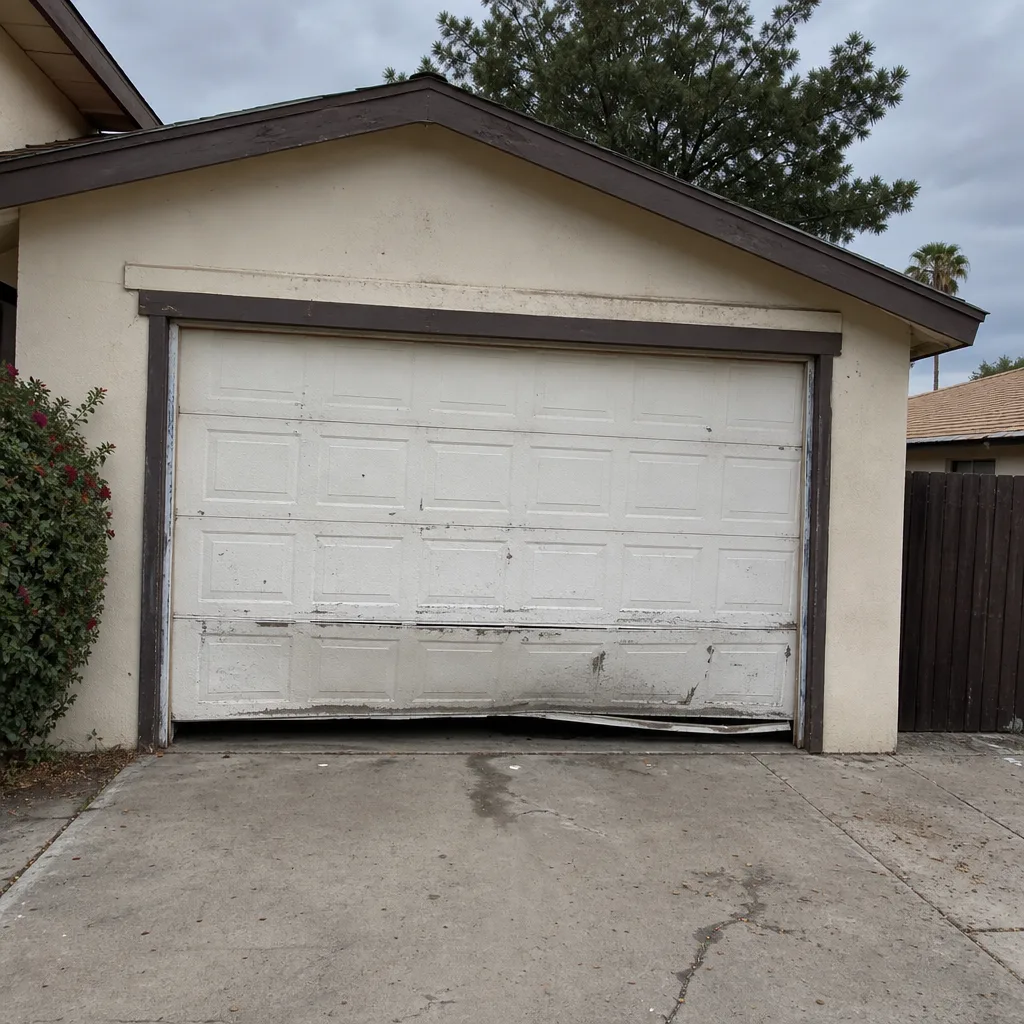 Before
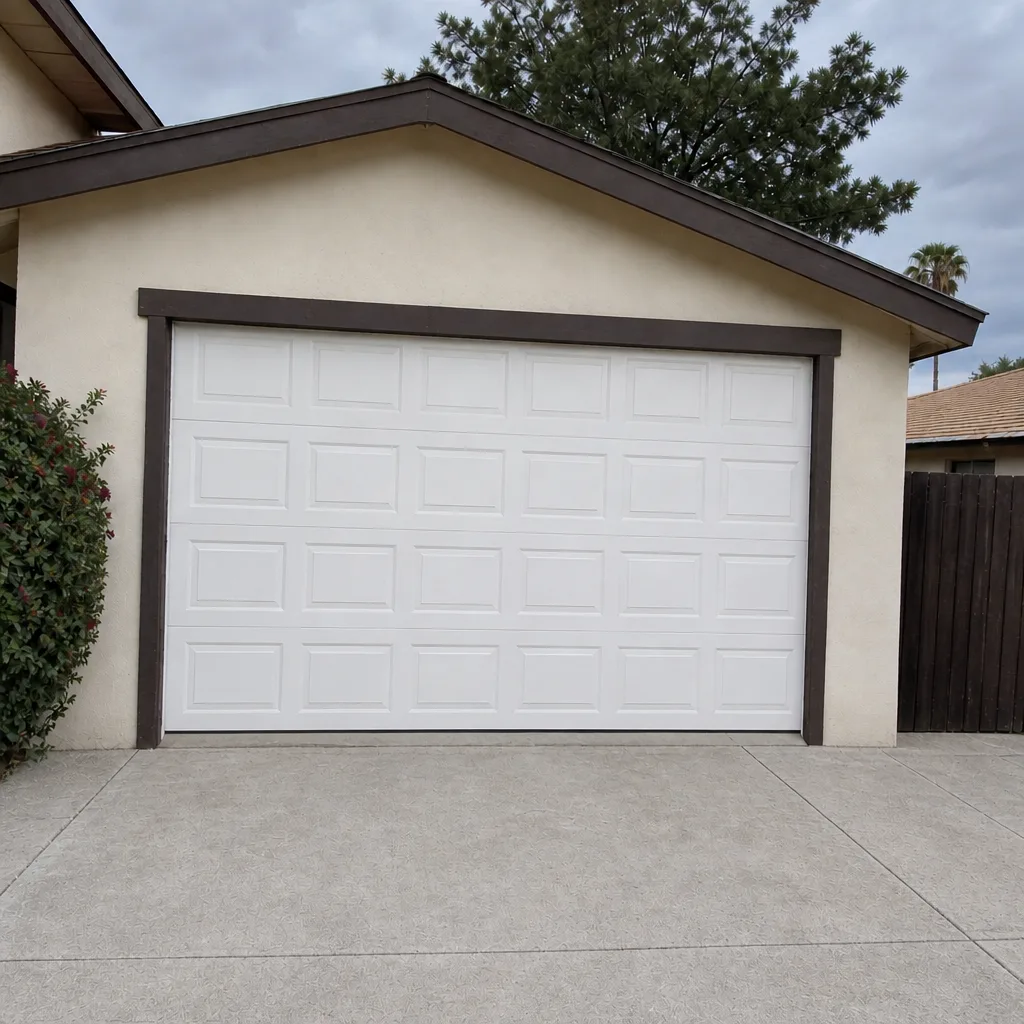 After
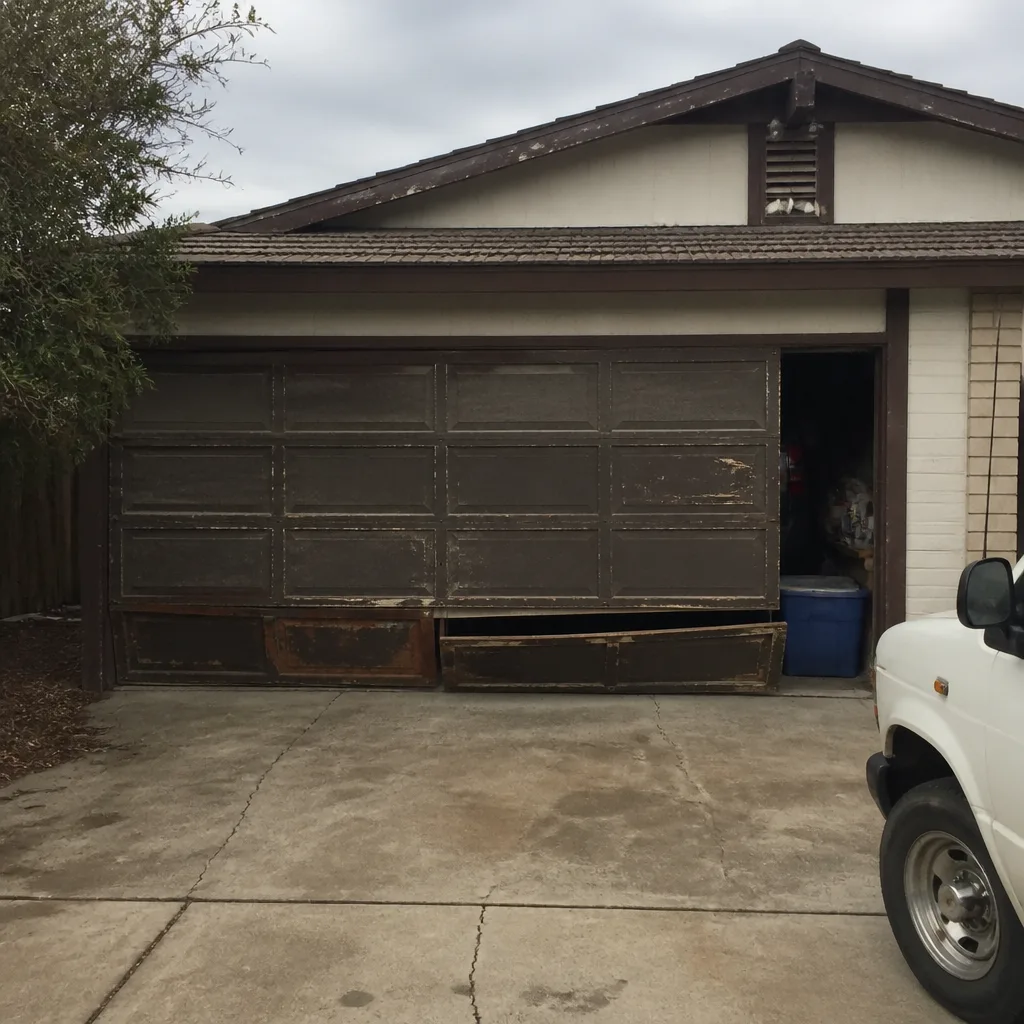 Before
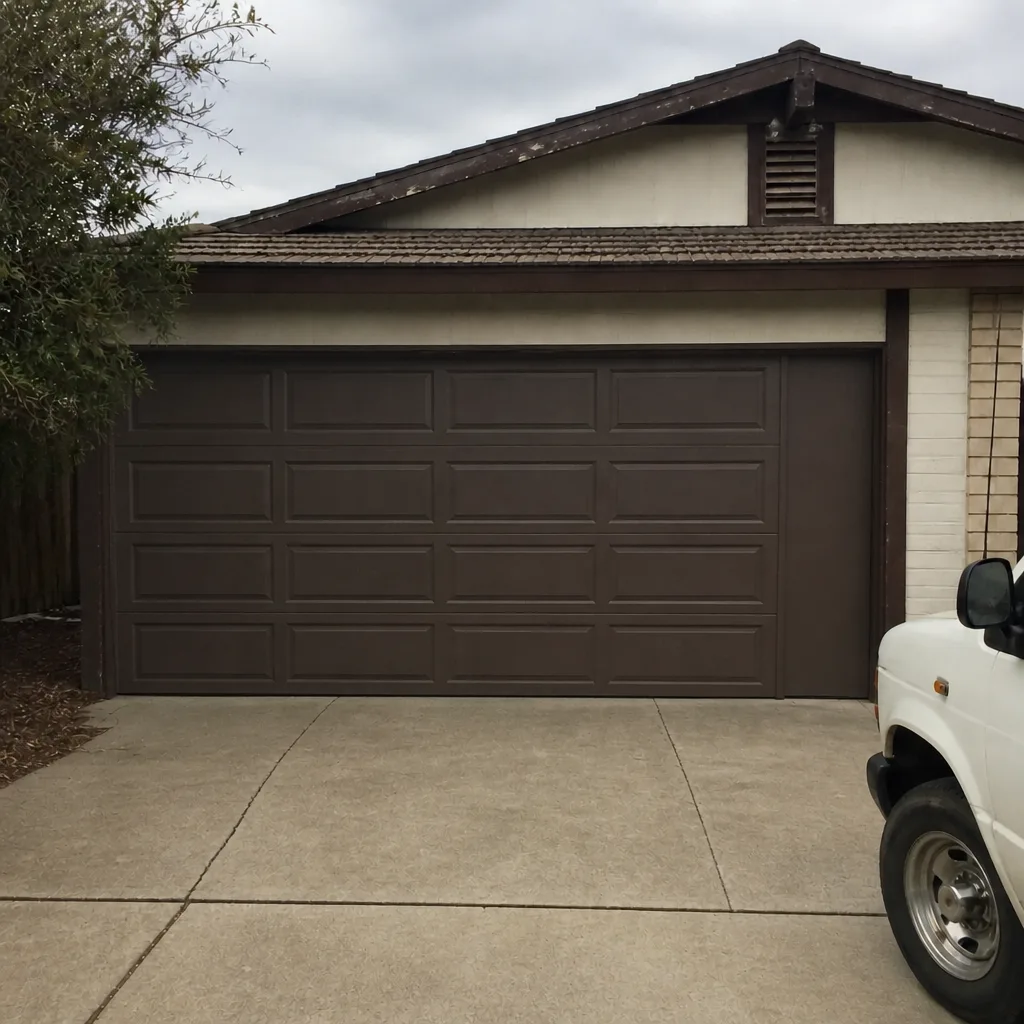 After
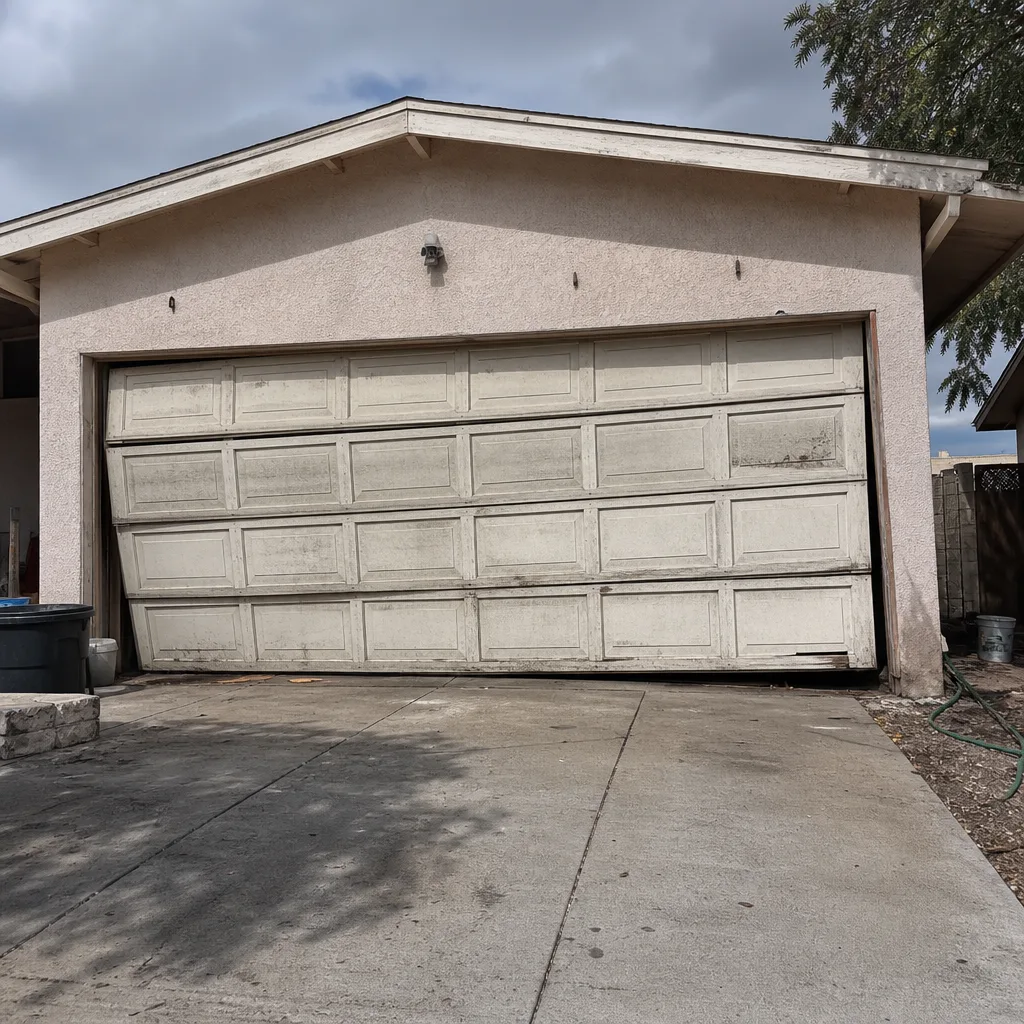 Before
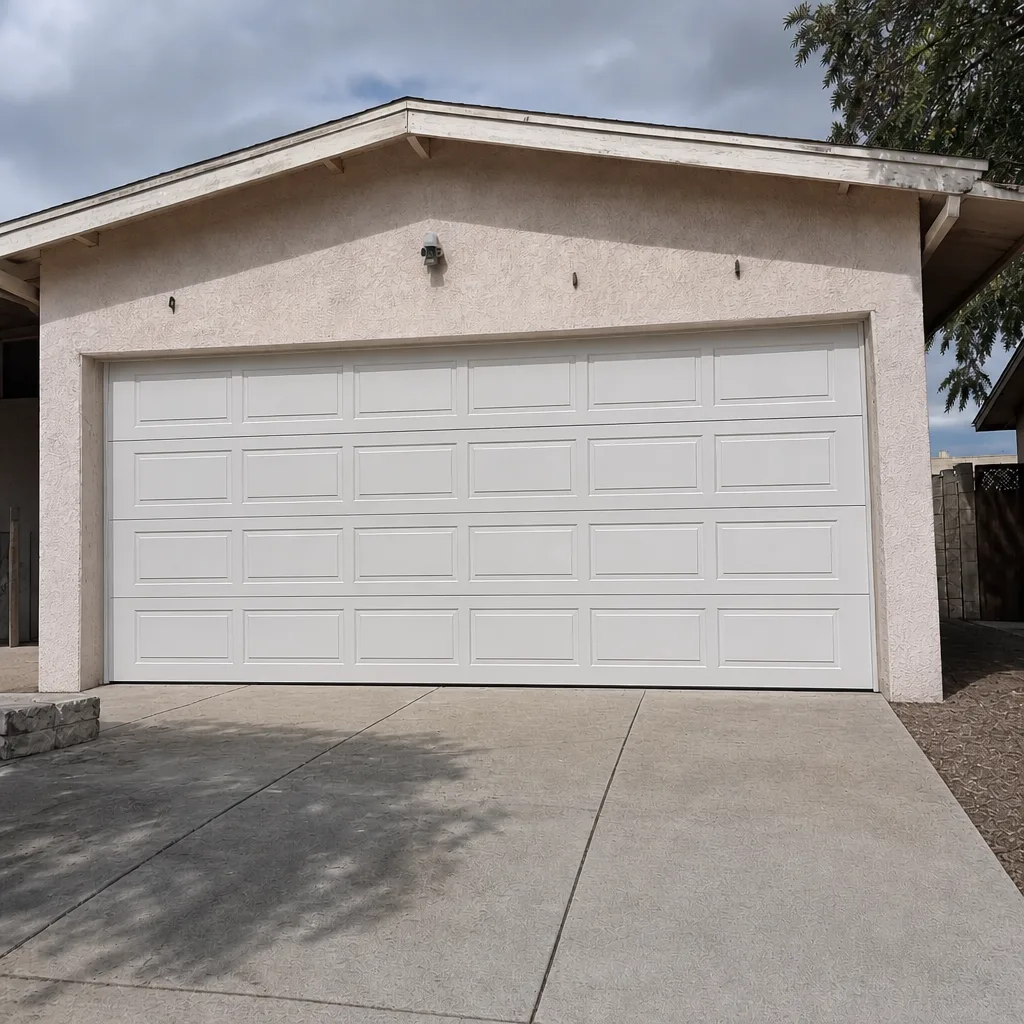 After
When to Call a Professional
Some garage door decisions and most garage door repairs need trained hands. If your door is balanced poorly, the springs look undersized or old, the opener is straining or resetting itself, the safety reversal doesn’t trip when tested, or you hear banging, grinding, or a cable that has come off its drum, that’s a call. Also call before you buy a replacement: a free measure and spec review puts exact numbers on the decision and keeps you from pairing a heavy door with a weak opener. Springs, cables, and opener electrical work carry real injury risk, and a trained technician should handle them. Pearl Garage Door Repair offers free estimates in Glendale. Call (877) 490-7828. We answer 24/7. Fast dispatch from 7am to 7pm, Sunday through Friday.
Frequently Asked Questions
There’s no single best brand for every home, but for Glendale the strongest choice is the brand that publishes a UV-rated finish warranty, a stated R-value, and a clear spring cycle rating. Compare those three numbers across Clopay, Amarr, Wayne Dalton, and Raynor, and choose the door whose data sheet fits your opening and budget. Call (877) 490-7828 and we’ll review the published specs with you. Estimates are free.
Check five things: UV exposure rating on the finish, thermal insulation R-value, spring cycle rating, panel gauge and construction, and the warranty broken out by finish, panel, and hardware. Those five numbers come from the manufacturer’s data sheet, not the marketing page. Ask for them in writing before you order.
They don’t have to match by name, but they have to match by capacity and warranty terms. The door’s weight from its spec sheet must sit comfortably within the opener’s rated lift, and the door and opener warranties should remain valid together. LiftMaster and Chamberlain are closely related lines, so a LiftMaster opener can be a sensible partner for a door branded elsewhere as long as the weight and settings line up.
Oxidation and chalk-fade can begin within 18 months on an underspec finish in Glendale’s sun, which is why the finish warranty matters as much as the panel warranty. A properly UV-rated finish holds color far longer. Ask the manufacturer to state the finish warranty in years before you buy.
Curb appeal, condition, and a door that works reliably matter more at resale than the manufacturer’s name on the hinge. A branded door with a UV-rated finish and a published R-value does read as a better-maintained home, but expect the real return in service life. If you plan to sell soon, spend on condition.
Yes. Pearl Garage Door Repair offers a free measure and a written price on new installations, and the written estimate sets the final price. New installation is measured, ordered, and scheduled, so get the estimate before ordering. Call (877) 490-7828. We answer 24/7. Fast dispatch from 7am to 7pm, Sunday through Friday.
The Bottom Line
In Glendale, the right garage door brand is the one whose published specs survive the sun: a UV-rated finish with a stated color warranty, an R-value that fits your insulation needs, and a spring cycle rating that matches the wear the door will actually see. Choose on the data sheet, match the opener to the door’s weight, and confirm both warranties stay valid together. A brand name that works on a showroom wall doesn’t always translate to a desert home; a spec grid does. For a free, spec-based review of the door you’re considering in Glendale, call (877) 490-7828. For general information, start at Pearl Garage Door Repair, and when you’re ready to talk local, see our Glendale service page.
Written by the team at Pearl Garage Door Repair.