
Last updated November 15, 2026
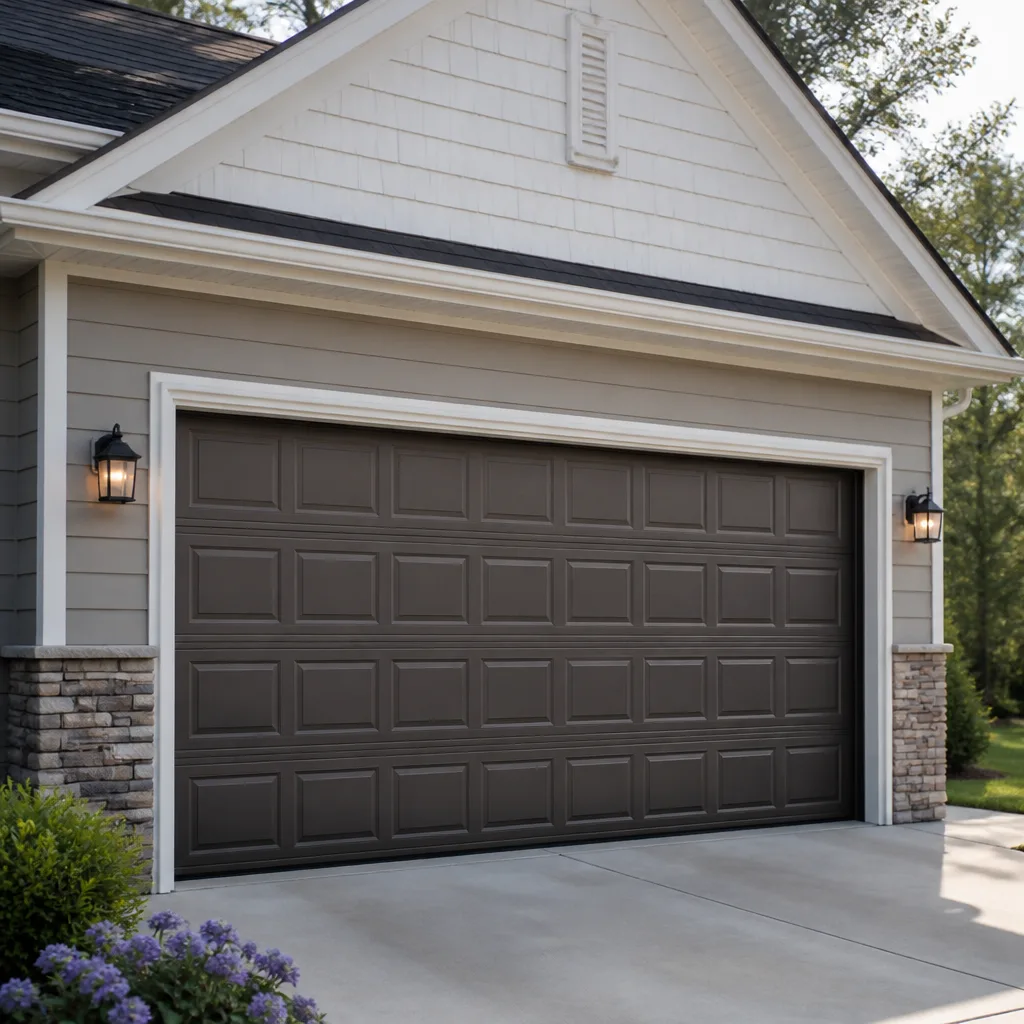 Raised-panel steel
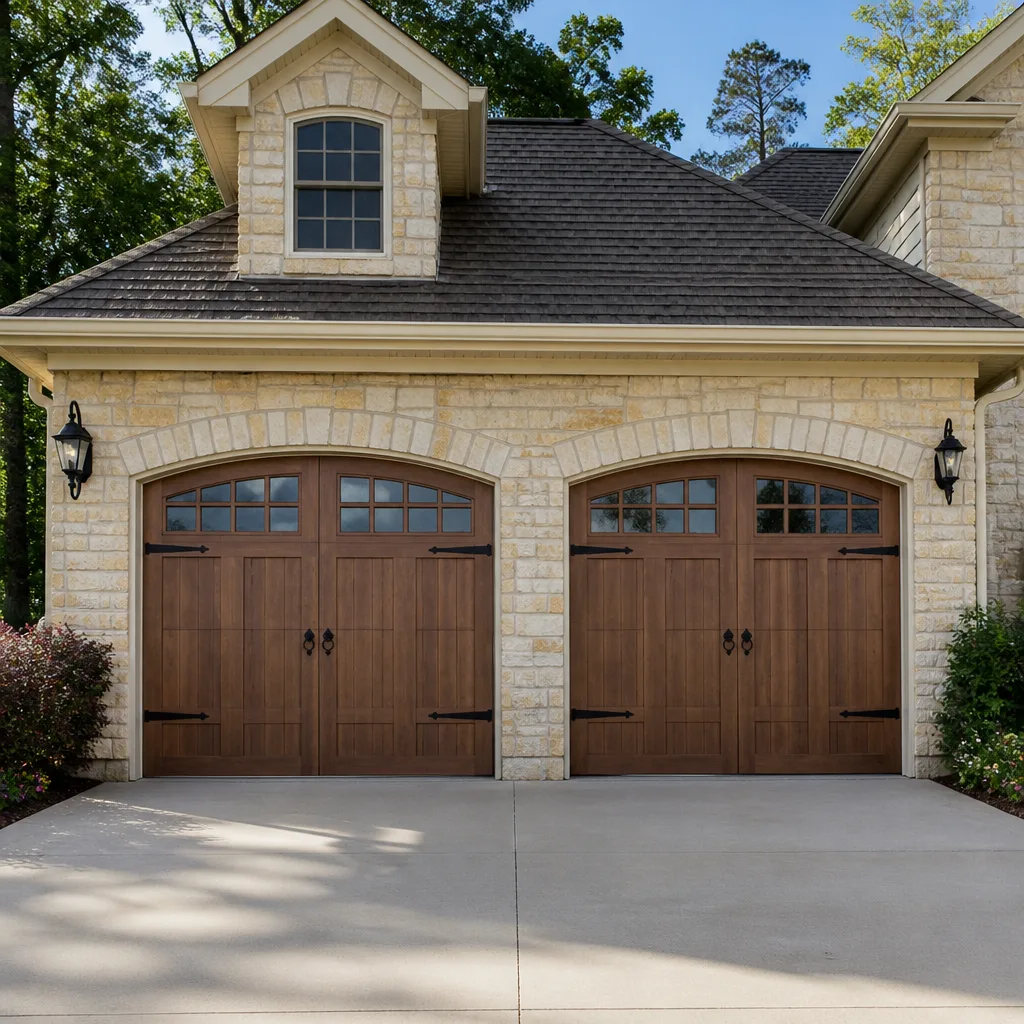 Carriage house
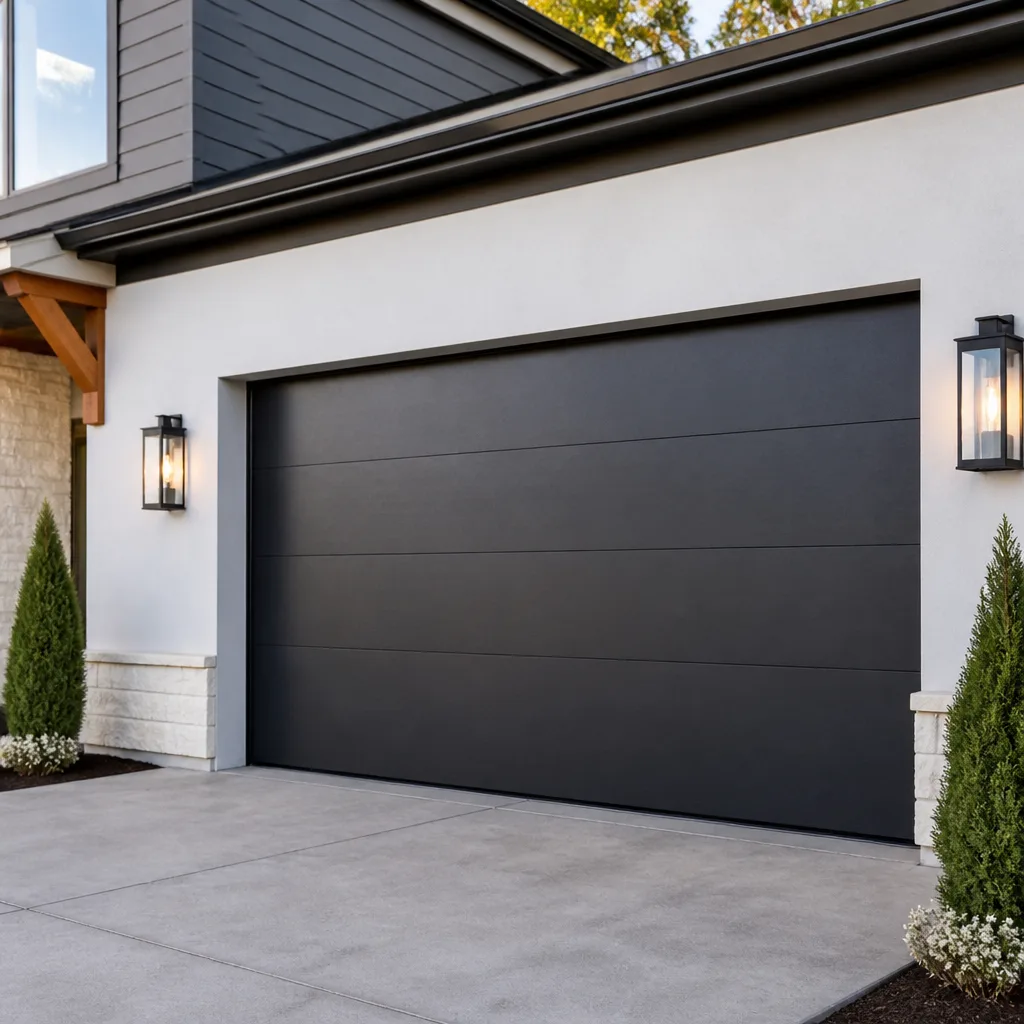 Modern flush
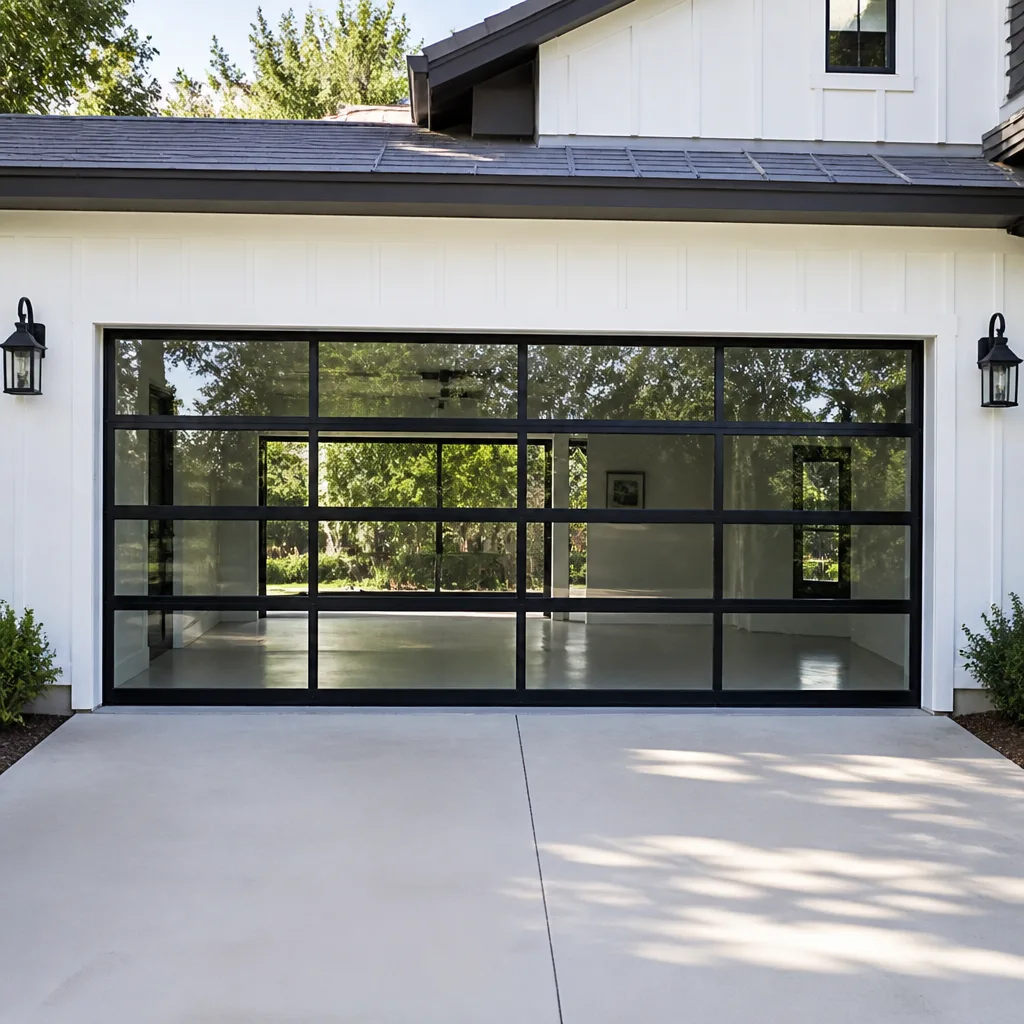 Full-view glass
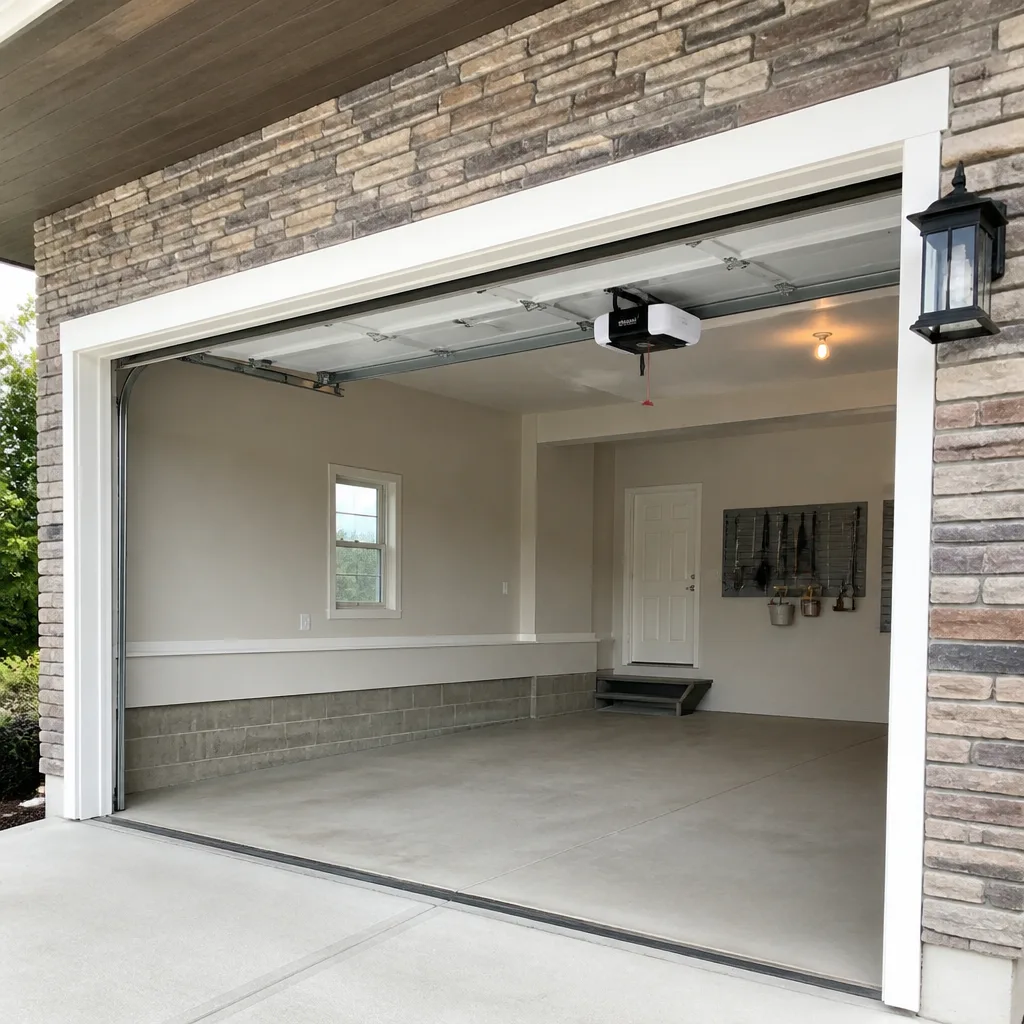 LiftMaster openers
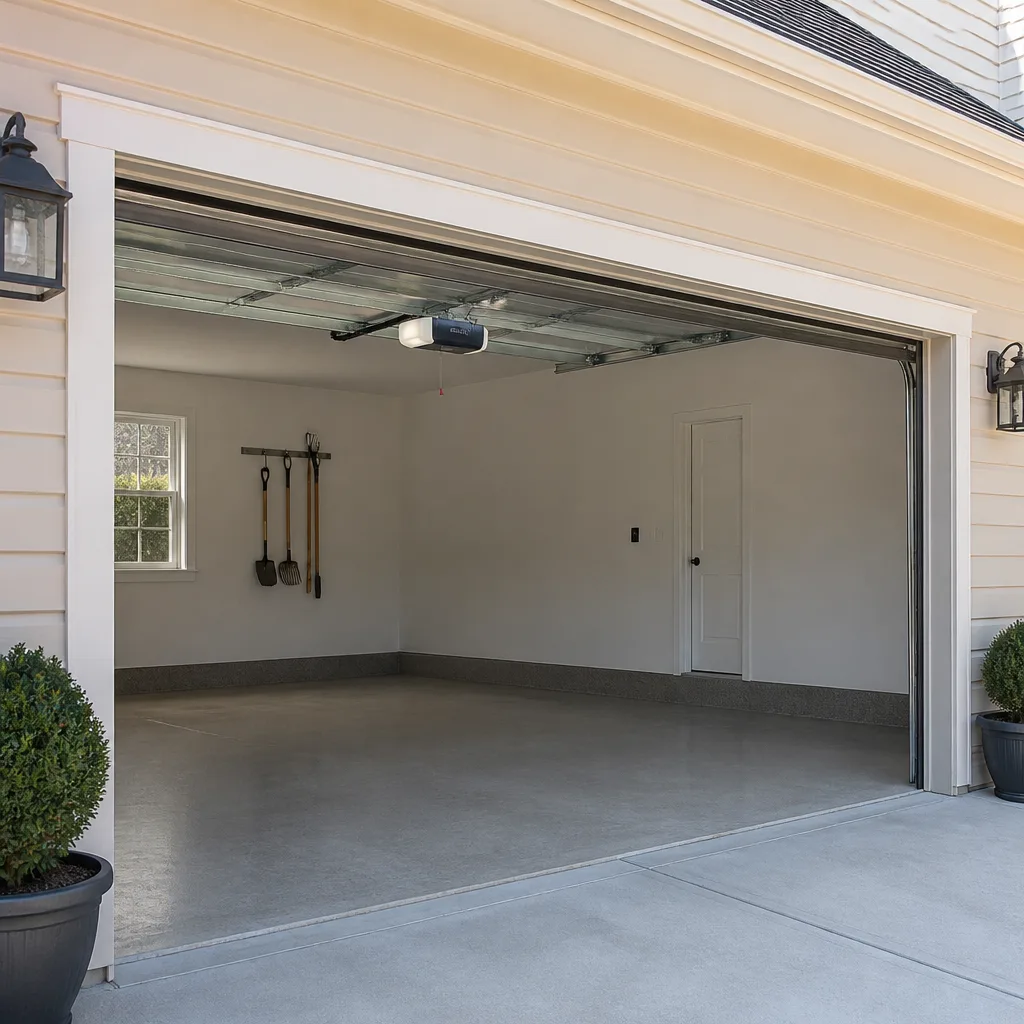 Chamberlain openers
Full 25-point door and opener safety check with every visit - springs, cables, rollers, tracks, and your LiftMaster or Chamberlain opener included
You get a price before we start. It does not change when the pro arrives.
Get your free estimateHow to Hire a Garage Door Contractor in Glendale: A Step-by-Step Guide
Most garage door complaints in Arizona aren’t about price or punctuality. They’re about scope. The contractor showed up, finished on time, charged what the written estimate said, and the door still doesn’t work right because they fixed the symptom and missed the cause. A broken spring gets replaced, but the unbalanced door that wore it out keeps wearing out the new one. An opener gets swapped, but nobody checked the door’s travel, so the new unit strains against the same obstruction. Hiring well in Glendale means filtering for a specialist who diagnoses the whole system first, then a single-brand dealer who steers you toward what’s on their shelf. This guide teaches you exactly how to do that.
Quick Answer
Hire a garage door contractor in Glendale by confirming three things before you book: that they work on your door’s brand and your opener’s brand (not just the one they sell), that a written estimate with a fixed scope comes before any work starts, and that their Arizona ROC license is active and covers the type of work you need. Then ask questions that reveal whether they diagnose the system or just quote parts. Price comes last. Get the fit right and the pricing conversation takes care of itself.
Styles & brands we work with
- Raised-panel steel
- Carriage house
- Modern flush
- Full-view glass
- LiftMaster openers
- Chamberlain openers
Table of Contents
- Know the three types of garage door contractors in Glendale
- Five questions that reveal whether they diagnose or just quote
- How to read an Arizona ROC license lookup result
- Red flags in quotes: when a written estimate protects the contractor instead of you
- How to structure a two-visit job so you keep your leverage
- Glendale-specific context: climate, housing, and the local market
- What a typical job costs in Glendale and how the quote is built
- After the install: how to verify the work and what to file away
Know the Three Types of Garage Door Contractors in Glendale
Not every contractor who shows up at your door in Glendale is the same animal. Understanding the categories first will save you from a mismatched hire, which is the root cause of most “they fixed it but it’s still broken” complaints.
Single-brand dealers
These are contractors tied to one manufacturer. They sell, install, and service primarily that brand. If your door or opener happens to match what they carry, you may get good service. If it doesn’t, they’ll often steer you toward replacement with their brand rather than repair yours. That’s not dishonest, it’s just their business model. But it means their recommendation isn’t neutral, and you should treat it as a sales pitch, not a diagnosis.
Multi-brand installers and repair specialists
These contractors work across multiple manufacturers and handle both the door and the opener. In Glendale, that’s the category that fits most homeowners, because the housing stock runs the gamut from Clopay steel doors in newer builds to Amarr and Wayne Dalton units in established neighborhoods. A multi-brand specialist can look at what’s actually on your house and recommend the repair path that fits, rather than the one that fits their truck. We work on eight brands: LiftMaster, Chamberlain, Genie, Clopay, Amarr, Wayne Dalton, Craftsman, and Raynor. That breadth is the difference between “we’ll quote you for what we carry” and “we’ll diagnose what you have.”
Repair-only technicians and handymen
A general handyman can swap a wall button or adjust a travel limit. But spring work, cable replacement, and opener electronics require trade-specific training. If a handyman offers to handle high-tension spring work at a low price, that’s the moment to slow down. High-tension springs and cables store enormous energy and can cause serious injury if mishandled. Leave that to a trained professional, always.
Five Questions That Reveal Whether They Diagnose or Just Quote
What a contractor asks you before quoting tells you almost everything about how they’ll work. The right contractor asks diagnostic questions. The wrong one asks what brand you want to buy. Here are five questions to put to any Glendale garage door contractor before you book.
- “Will you diagnose the door and the opener separately?” A good contractor treats the door mechanism and the opener electronics as two systems that interact. If they can’t explain how the two are checked independently, they’re likely going to blame the opener for a door problem or vice versa. We handle both under one roof, which is why we can tell you which part actually failed.
- “Do you work on my opener’s brand?” Name the brand on your opener. If it’s a Chamberlain or Genie and they only service LiftMaster, you’ve learned something. A genuine multi-brand contractor won’t blink.
- “How will you determine root cause versus symptom?” This is the big one. If they answer with a specific diagnostic process (checking door balance, spring tension, track alignment, opener force settings, travel limits, and sensor alignment), they’re diagnosing. If they say “we’ll see when we get there,” you’re getting a parts-swapper.
- “Will the written estimate include a fixed scope or a range?” A fixed scope with a stated price is your protection. “It’s probably around X but could be more” is a warning.
- “What’s your ROC license number, and can I look it up before you come?” Any legitimate contractor will hand it over without hesitation. If they deflect, that’s a filter you can apply in 30 seconds.
Ask these before booking, not after. The answers cost nothing and save thousands.
How to Read an Arizona ROC License Lookup Result
The Arizona Registrar of Contractors (ROC) maintains a public license lookup. Every licensed contractor in Glendale appears there, and the result tells you things a business card never will. But it’s also easy to misread. Here’s how to interpret it.
What the ROC lookup actually tells you
- License status. Active is what you want. Suspended, expired, or revoked are immediate no-gos.
- License class and scope. A residential license may not cover certain commercial or structural work. Confirm the class matches the work you’re asking for.
- Business name and address on file. The name on the ROC should match the name on the estimate. If it doesn’t, ask why. Sometimes a DBA is involved and legitimate; sometimes it’s a shell.
- Complaint history and disciplinary actions. A single complaint doesn’t disqualify a contractor. A pattern of unresolved complaints or formal discipline does.
- Bonding and insurance status. The ROC record shows whether the required bond is on file. That bond protects you if the contractor walks off the job or fails to perform.
What the ROC lookup doesn’t tell you
The lookup won’t tell you whether the contractor is good at garage doors specifically. It also won’t tell you whether they diagnose root cause or swap parts. It’s a floor, not a ceiling. A clean ROC record is a baseline you should require of every contractor you consider, then you layer the diagnostic questions and the brand-fit questions on top.
Use the ROC lookup as the first step, not the last. It filters out the outright frauds. The rest of the guide filters for competence.
Red Flags in Quotes: When a Written Estimate Protects the Contractor Instead of You
A written estimate should protect the homeowner. It states a scope, a price, and a timeline, and it binds the contractor to that scope. In practice, some estimates protect the contractor instead. Here’s what to watch for.
- Vague scope language. Phrases like “repair as needed” or “labor to be determined on-site” put all the risk on you. A good estimate names what’s being replaced or repaired: which spring, which cable, which opener component.
- Price ranges instead of prices. A range is a number the contractor can walk back. A fixed price tied to a fixed scope is what you want.
- No mention of what’s excluded. Every good estimate states what’s not included. If the estimate is silent on the door’s balance, the track, and the opener’s force settings, those won’t be checked, and the door may fail again.
- Parts listed without model or specification. “Replacement spring” isn’t specific. A spring with a stated wire gauge and cycle rating is. If the estimate won’t specify the part, you can’t compare it to another quote.
- Pressure to sign on the spot. Any contractor who tells you the price is only good if you sign right now is running a sales tactic, not a service call. Walk.
- Cash-only or pay-up-front requests. A deposit for materials on a new-door install is normal. A demand for full payment before work starts is not.
- No license number on the estimate. Arizona requires the license to appear on contracts and advertisements. If it’s missing from the estimate, verify it independently before you go further.
The cleanest estimates are boring: scope, price, exclusions, license, signature line. The more persuasive the estimate, the more you should slow down.
How to Structure a Two-Visit Job So You Keep Your Leverage
Most garage door problems get solved in one visit. But for anything ambiguous or expensive, splitting diagnosis from repair is a smart move. It eliminates on-site upsell pressure and gives you room to think.
- Book a diagnostic visit first. Ask for a written diagnosis of what’s wrong, what caused it, and what the repair options are. Pay for that diagnosis as its own service. The price of the diagnostic is set per job by the written estimate, so there are no surprises.
- Get the repair quote in writing after the diagnosis. Now the contractor is quoting against their own written findings, not against a vague symptom. That’s a much stronger position for you as a homeowner.
- Compare the diagnosis to a second contractor’s diagnosis, if you want. Two diagnostic visits cost more than one, but they’re cheaper than an unnecessary replacement. Compare the scopes, not just the prices.
- Book the repair as a scheduled job. Once the scope is fixed, the repair is a scheduled visit against a defined scope. That’s the moment when leverge shifts to you: the contractor can’t expand the scope on-site without your signature on a change order.
- Hold the written estimate through the end of the job. If the technician discovers something genuinely new during the repair (a cracked track, a cable about to fail), the change has to be quoted, in writing, before anyone touches it. No verbal scope changes.
This structure works well in Glendale because so many jobs turn out to be two-part problems: a worn spring that stressed the opener, or an off-balance door that caused the opener’s gear to wear out early. Diagnosis-then-repair catches both parts. Repair-only catches one.
Glendale-Specific Context: Climate, Housing, and the Local Market
Glendale’s combination of extreme summer heat and an older, mixed-age housing stock shapes what fails on garage doors here. That context should inform what you ask a contractor before you hire them.
The heat matters more than people expect. Garage interiors in Glendale regularly get hot enough in summer to stress lubricants, warp wood panels on older doors, and shorten opener lifespans. High-tension springs work in a harsher environment than springs in milder climates, and they fail more predictably as a result. When you book a repair, ask the contractor what they’ll check beyond the obvious failure: spring tension, door balance, and opener force settings are the three items a heat-affected door in Glendale benefits from inspecting.
The housing stock is genuinely mixed. Neighborhoods like Ocotillo and Arrowhead Ranch trend toward newer Clopay and Amarr doors on well-insulated garages, while older Glendale neighborhoods west of 59th Avenue and south toward Glendale Avenue have more original doors where the springs may have been replaced once or twice and the opener may be on its last legs. A multi-brand contractor is a practical fit here, because the door on your house almost certainly isn’t the door on your neighbor’s. Glendale’s garage door market also includes a lot of single-brand dealers, which is where the “steer toward what I carry” problem shows up most often. Multigenerational Glendale homes, where a door has been serviced by different contractors over the years and the records are lost, are exactly the ones that benefit most from a diagnostic-first contractor who treats the whole system as unknown.
If you’re new to the area, our guide to Glendale is a useful starting point for understanding the city’s geography and housing mix.
What a Typical Job Costs in Glendale and How the Quote Is Built
Prices in Glendale vary widely by door age, brand, and damage, so treat any specific number you hear from a contractor as a starting point for a conversation, not a market rate. What you can compare across quotes is how the price is built. A good estimate breaks down into materials (springs, cables, rollers, opener parts, or a new door and opener), labor, and a stated scope. Bad estimates collapse all of that into one number.
Ask for a line-item estimate. Two quotes that total the same price can have very different line items, and the one with named parts and a stated scope is the one that protects you. A written estimate that quotes a range and leaves the final number open is a hint that the final number will be higher than you expect.
For a repair, ask specifically: Is the spring one spring or a matched pair? Replacing a single spring when the pair is matched often means the second spring fails within months, and a good contractor will tell you that before you choose. For an opener, ask whether the door is being checked as well. A new opener on an out-of-balance door fails early, and the opener brand (Chamberlain and Genie are the two most common on Glendale homes) doesn’t change that.
For installation work, the price is set by a free measure and a written quote, not a phone estimate. New doors are measured, ordered, and scheduled. That’s a different process from a repair, and it should be. When you call, ask for a measure appointment and a written price.
After the Install: How to Verify the Work and What to File Away
The hiring decision doesn’t end when the technician backs out of the driveway. A competent contractor expects you to verify the work and welcomes it. Here’s what to do on the walkthrough and what to file when the technician leaves.
- Run the door through three full open-and-close cycles while the technician is still there. Watch for smooth travel, no hesitation at the top or bottom, and a clean reversal on the safety sensors.
- Test the safety reversal. Place an object in the door’s path and confirm it reverses immediately. This is the one safety feature you should verify yourself every few months.
- Check the balance. Ask the technician to disconnect the opener and lift the door by hand. If it stays up at roughly halfway, it’s balanced. If it drops or rises, it isn’t, and the springs need adjustment before the job is finished.
- Confirm the brand and model of any new parts. That includes the spring wire gauge, the opener model, and the roller type. Write it down.
- Keep the written estimate, the final invoice, and any warranty paperwork together in one place. When the door needs service again in five years, having the original scope shortens the diagnostic visit.
One last thing: ask about warranty coverage on parts and labor separately. A one-year warranty on the spring and a 90-day warranty on labor is normal. If the contractor can’t state either, ask for it in writing before you sign for the completed job.
Common Mistakes to Avoid
- Calling the first single-brand dealer you find. Their recommendation runs through their inventory. In Glendale, where the housing stock is genuinely mixed by brand, a multi-brand contractor is the safer default.
- Taking a phone quote as final. A price on the phone is a guess. The written estimate sets the price, and it should be produced before any work starts.
- Skipping the ROC lookup. It takes two minutes and filters out the outright frauds. There’s no excuse for skipping it.
- Letting the contractor fix just the failed part. Springs fail because the door is out of balance, and openers fail because the door is straining them. A repair that doesn’t address the underlying cause fails again, often within a season of Glendale heat.
- Accepting a verbal scope change on-site. Any change to the written estimate is a new written estimate. If the technician starts working on something outside the original scope without a signed change order, that’s the moment to stop them.
- Hiring a handyman for spring or cable work. High-tension springs and cables store enough energy to cause serious injury. This is a trained-professional job, full stop.
- Not asking what brand is on your house before you call. Look at the opener housing and the door’s edge for the manufacturer name. Thirty seconds of looking makes every later conversation easier.
See the difference
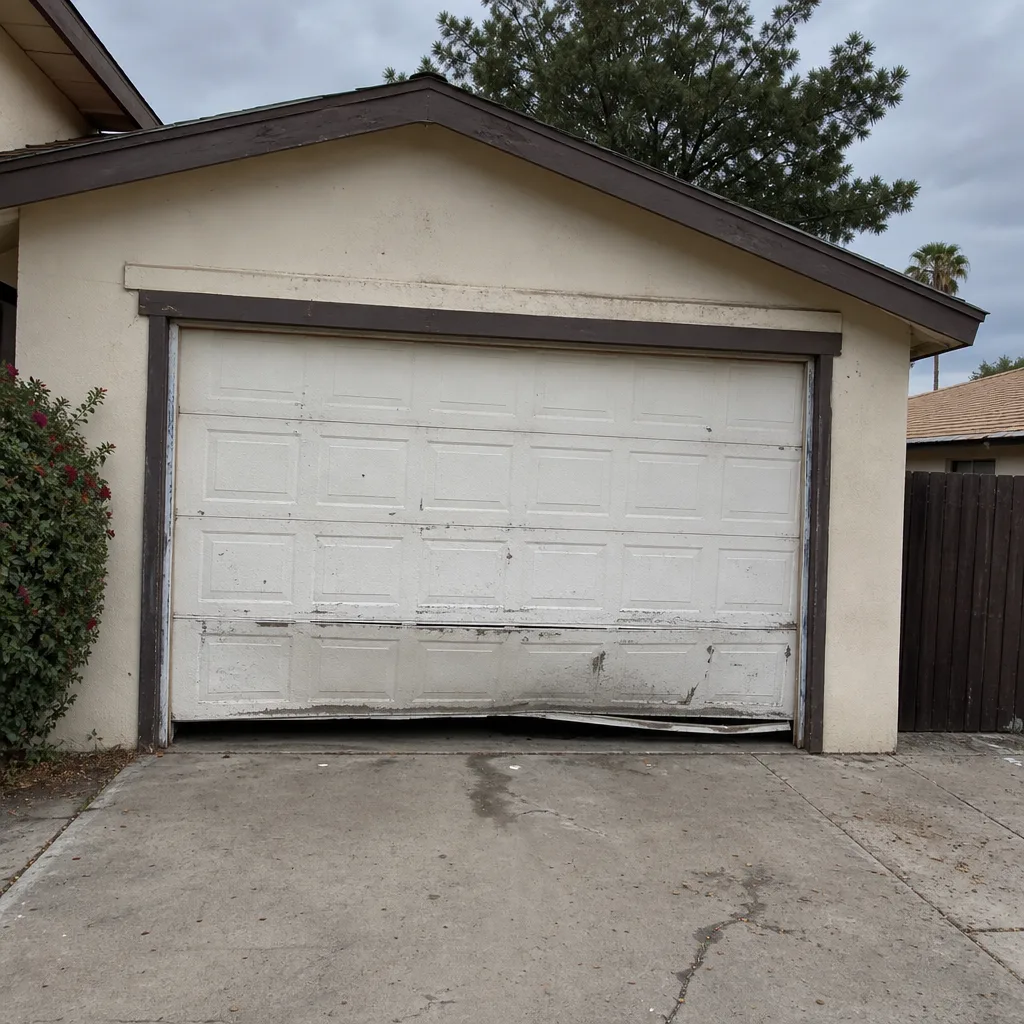 Before
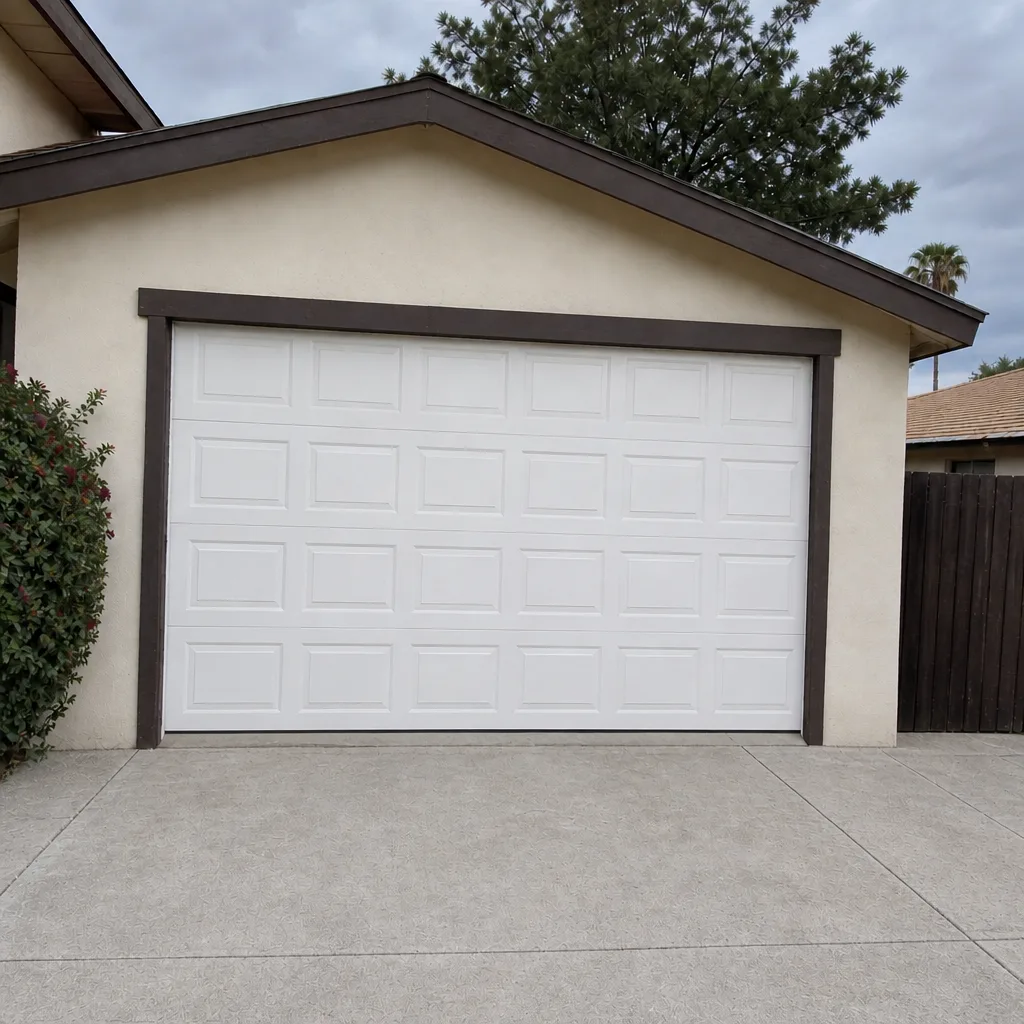 After
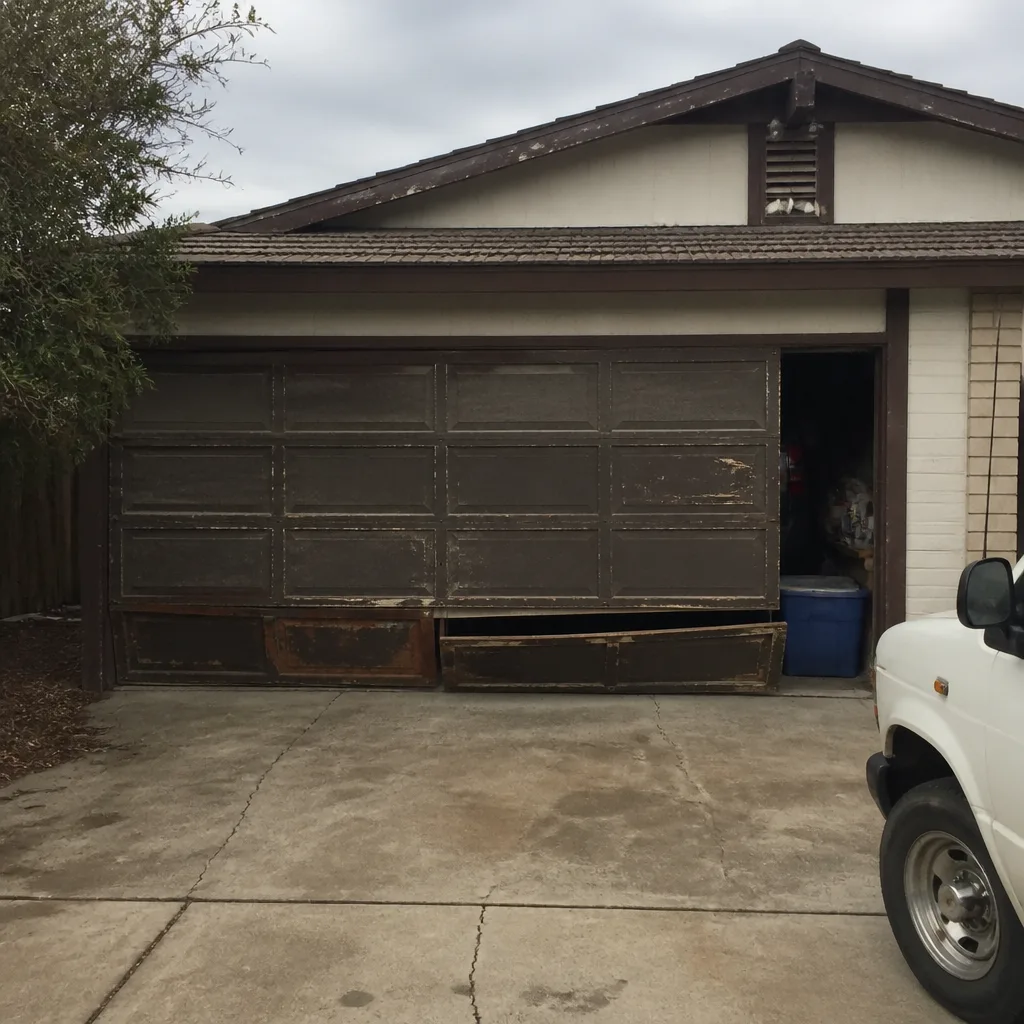 Before
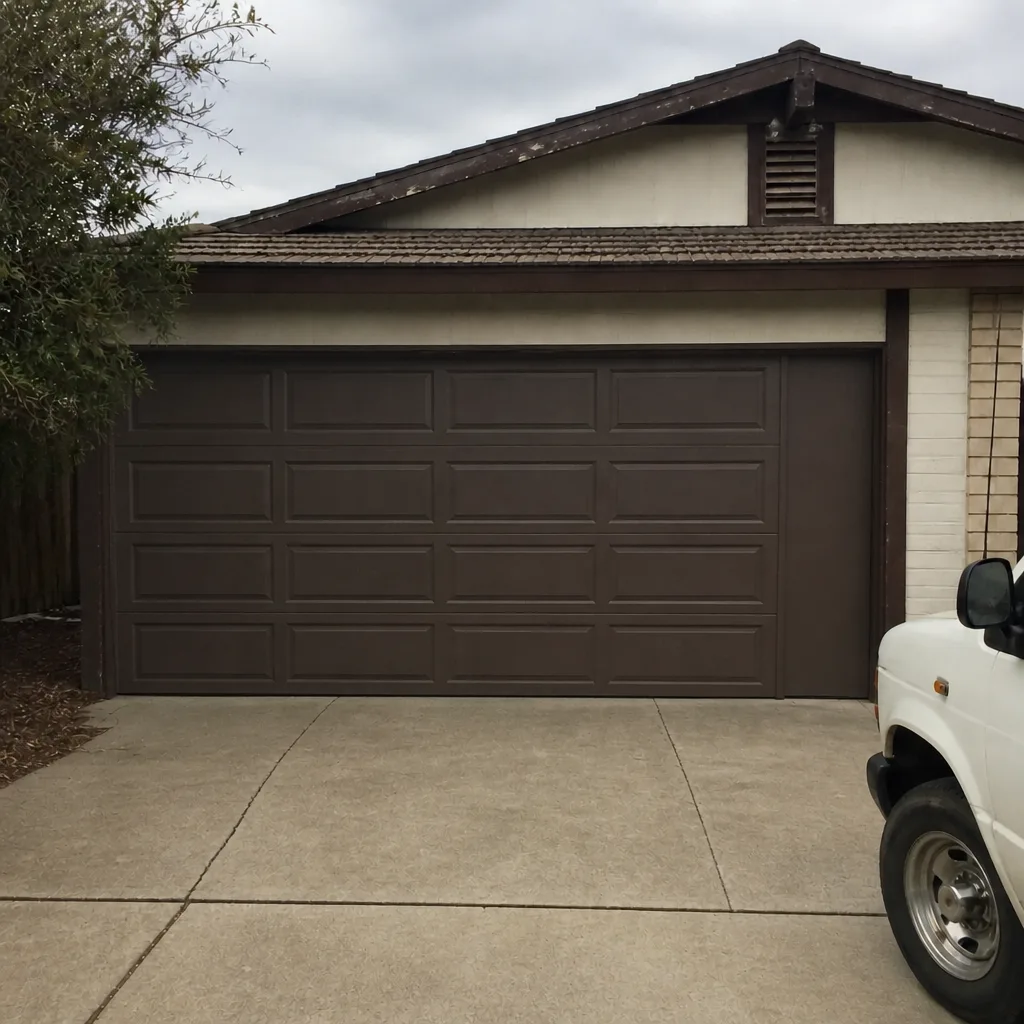 After
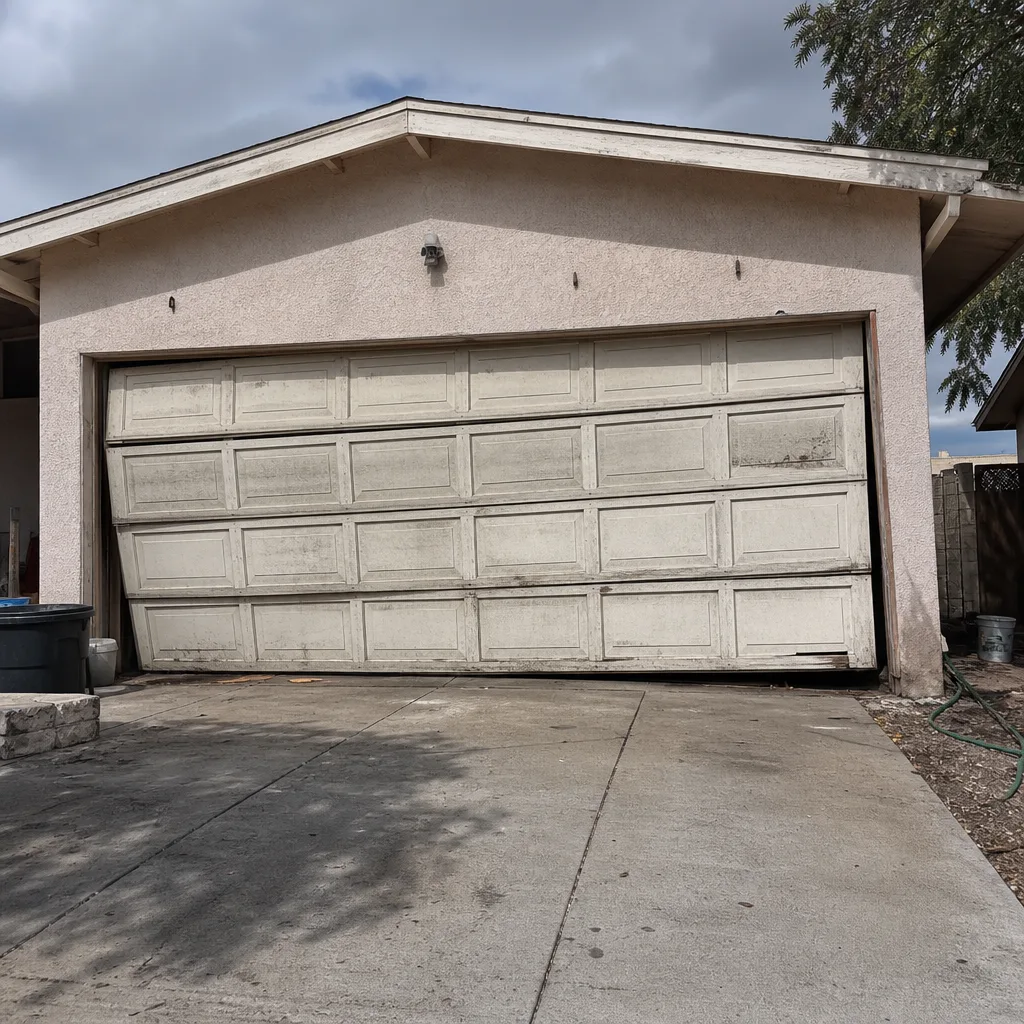 Before
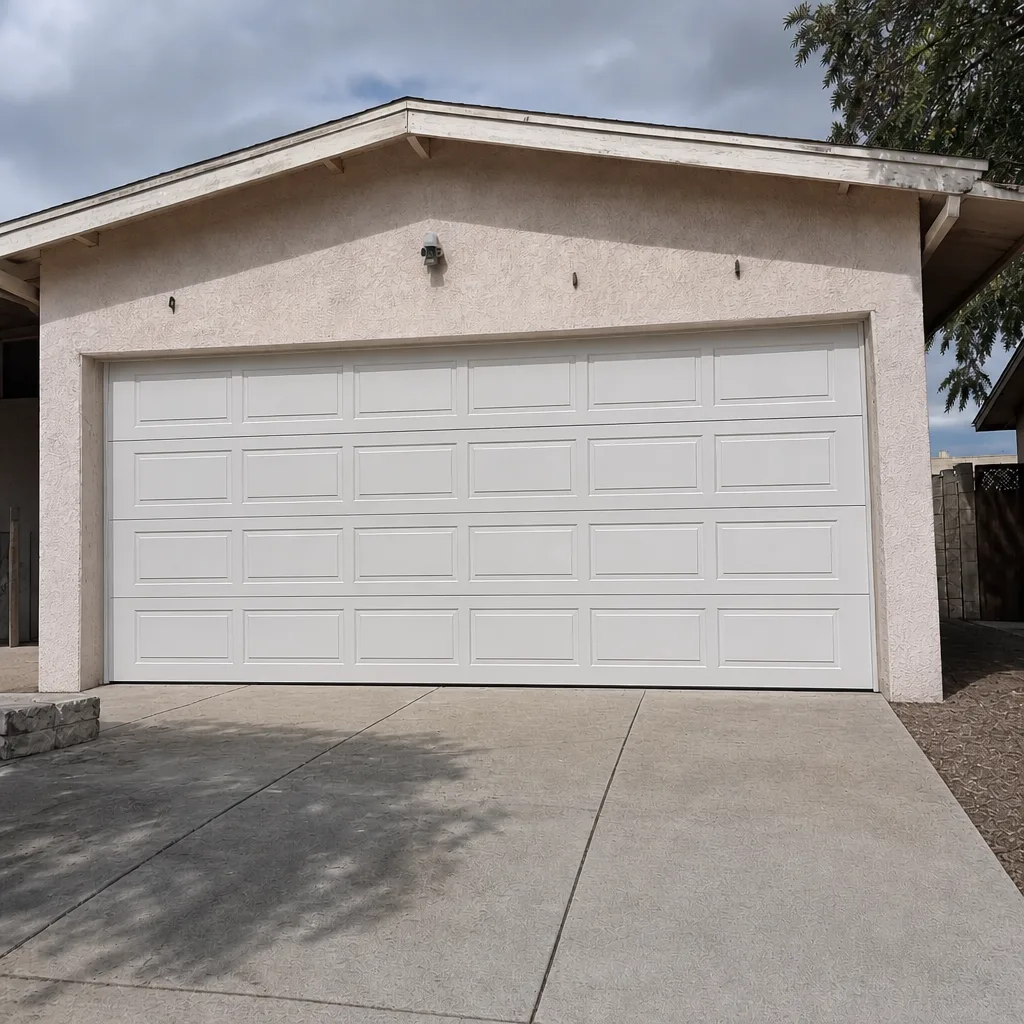 After
When to Call a Professional
Some garage door problems are cosmetic and safe to leave. Others are dangerous to touch. Call a professional when the balance feels wrong (the door drifts or slams), when you hear a snap or twang from above, when the door reverses for no reason, or when the opener runs but the door doesn’t move. Any work that involves high-tension springs or cables is a professional-only job; those components will hurt you if mishandled. A trained technician will check the door and the opener as a system, diagnose root cause, and put the scope in writing before touching anything. Pearl Garage Door Repair offers free estimates in Glendale. Call (877) 490-7828 and we’ll schedule a diagnostic visit, not a sales call. We answer 24/7. Fast dispatch from 7am to 7pm, Sunday through Friday.
Frequently Asked Questions
Garage door repair in Glendale is priced per job, and the written estimate sets the final price. Ask for a line-item quote that names parts and scope, not a range. Call (877) 490-7828 for an exact quote. Estimates are free.
Yes, for many repair calls. Same-day availability depends on the day’s schedule and the scope of the job. For installation and replacement work, the timeline is a measure visit, an order, and a scheduled install, so same-day doesn’t apply. Call (877) 490-7828 and we’ll tell you the next opening. We answer 24/7, and dispatch runs from 7am to 7pm, Sunday through Friday.
Yes. Garage door installation and repair work falls under licensed contractor categories in Arizona, and you should verify the license on the ROC public lookup before booking. A legitimate contractor will give you the license number without hesitation. Call (877) 490-7828 for a quote on licensed, insured work.
No, if the estimate is written correctly. The written estimate fixes the scope and the price before work starts. If the technician finds something genuinely new during the repair (a cracked track, a failing cable), the change is quoted in writing and approved by you before anyone touches it. Call (877) 490-7828 for a fixed written estimate.
Pearl Garage Door Repair connects Glendale homeowners with independent local professionals who are licensed and insured, and our technicians have up to 14 years of experience. We work on eight major brands: LiftMaster, Chamberlain, Genie, Clopay, Amarr, Wayne Dalton, Craftsman, and Raynor. Call (877) 490-7828 to book.
Yes. We handle both under one name, which matters because most garage door failures involve both components. A worn spring strains the opener; an out-of-balance door wears out the opener’s gear. We diagnose both together, so the repair addresses the cause rather than just the symptom. Our full garage door repair covers the door, and our garage door opener repair covers the electronics. Call (877) 490-7828 for a free estimate.
The Bottom Line
Hiring a garage door contractor in Glendale is a trust problem, and trust is filterable. Start with the ROC lookup to confirm a licensed, active contractor. Then ask the five diagnostic questions to see whether they’ll diagnose the door and opener as a system or just replace parts. Demand a written estimate with a fixed scope and named parts before any work starts. For expensive or ambiguous jobs, split diagnosis from repair so you keep the leverage on the second visit. Skip the single-brand dealers who steer you toward what they carry, and skip the handymen who’ll undercut the price and undercut the work. Pearl Garage Door Repair is brand-agnostic across eight manufacturers, handles both the door and the opener, and works on the diagnosis-first model this guide teaches. Pearl Garage Door Repair is the specialist you can compare any other Glendale quote against. For a full new door or opener install, we quote by measure and written price, not by phone.
Call (877) 490-7828 for a free estimate. We answer 24/7. Fast dispatch from 7am to 7pm, Sunday through Friday. When you call, name the brand on your opener and the age of your door, and we’ll book the right kind of visit, not the one we happen to sell.
Written by the team at Pearl Garage Door Repair.