
Last updated November 15, 2026
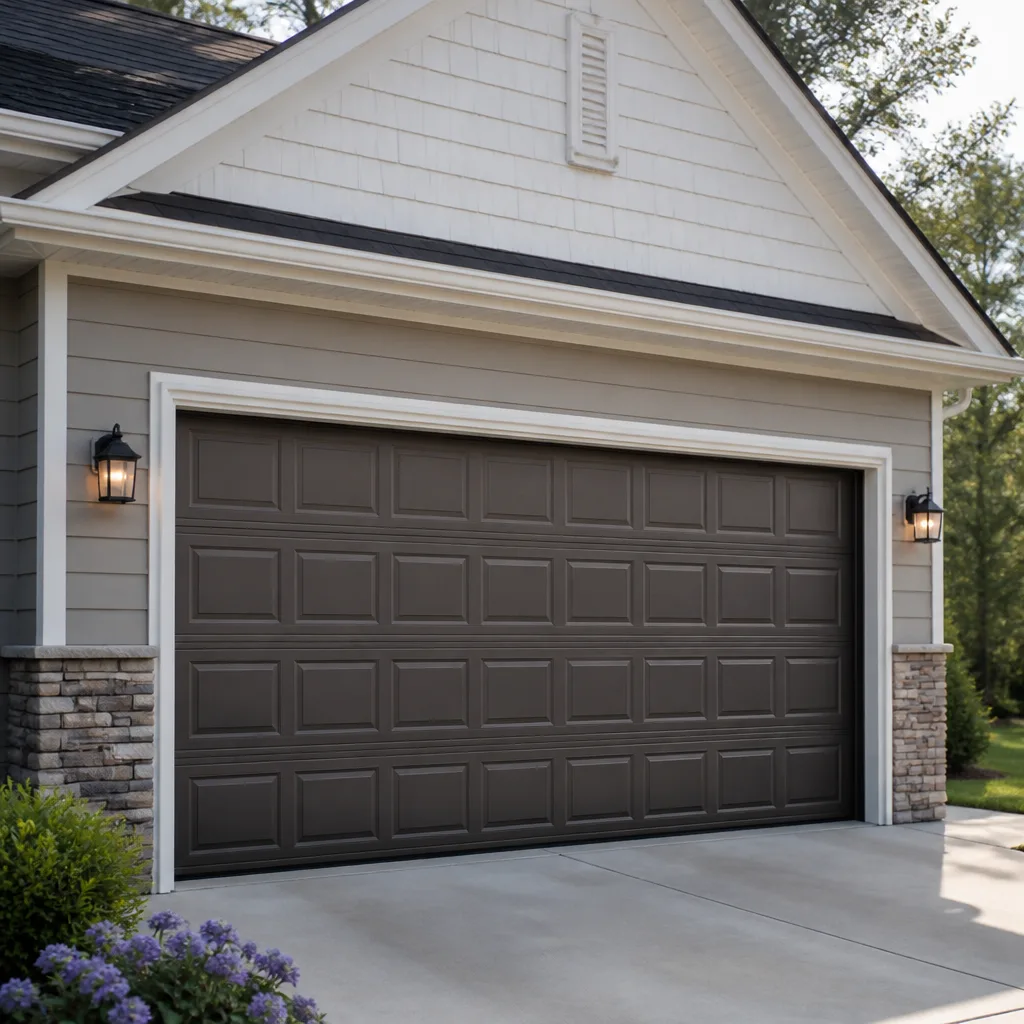 Raised-panel steel
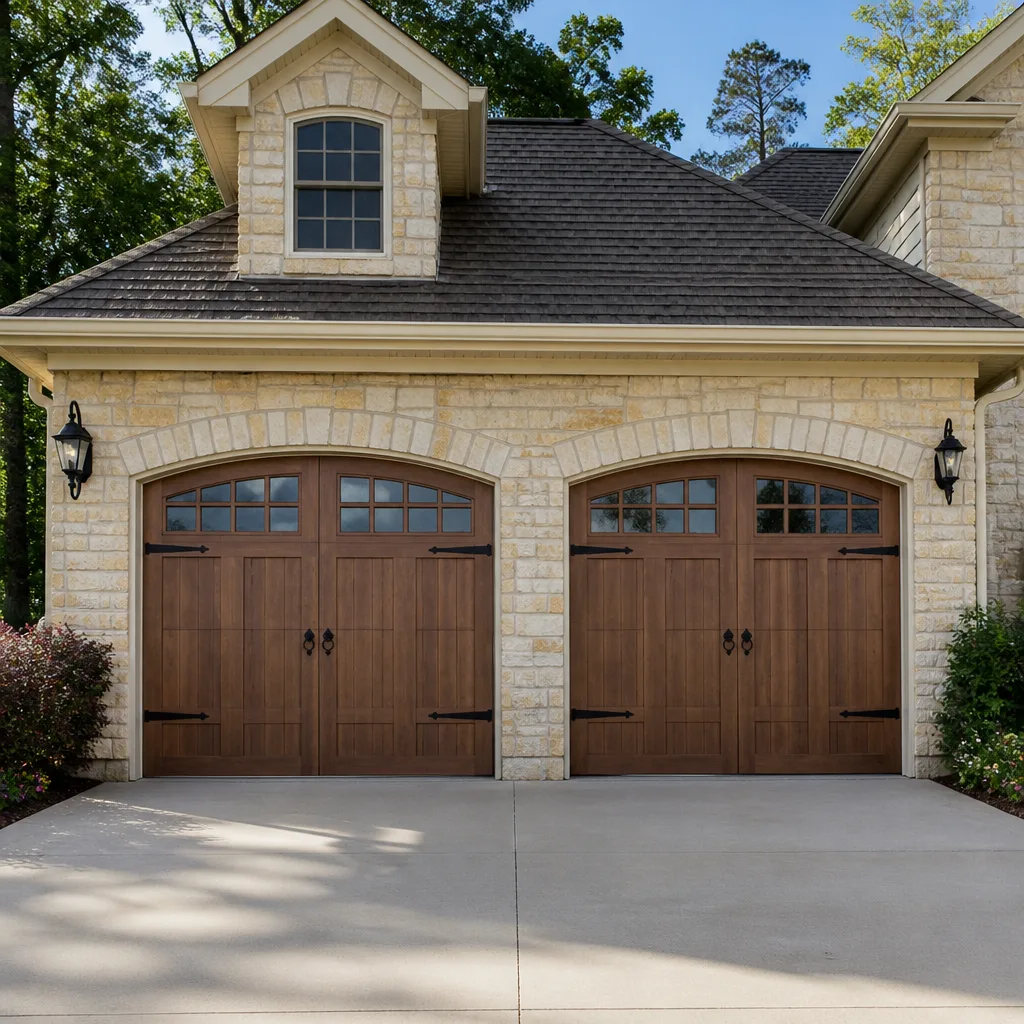 Carriage house
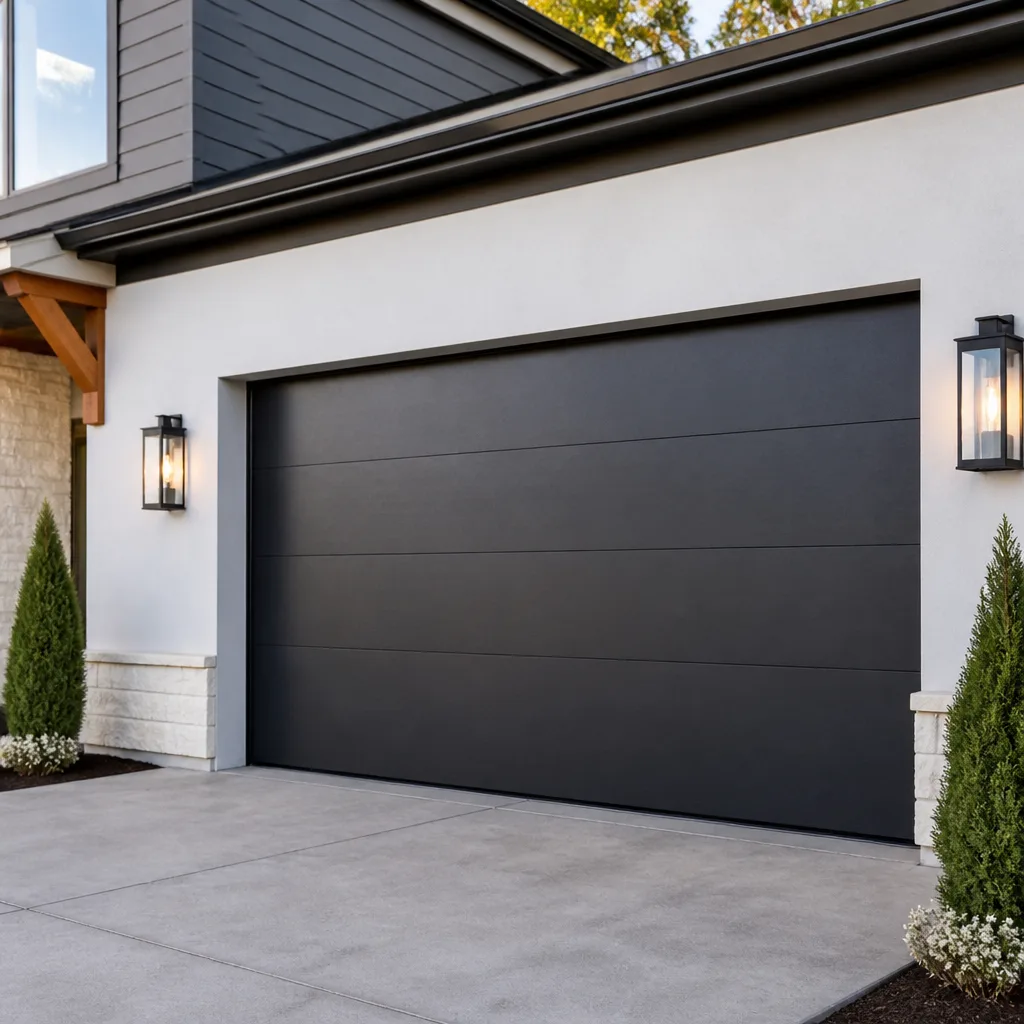 Modern flush
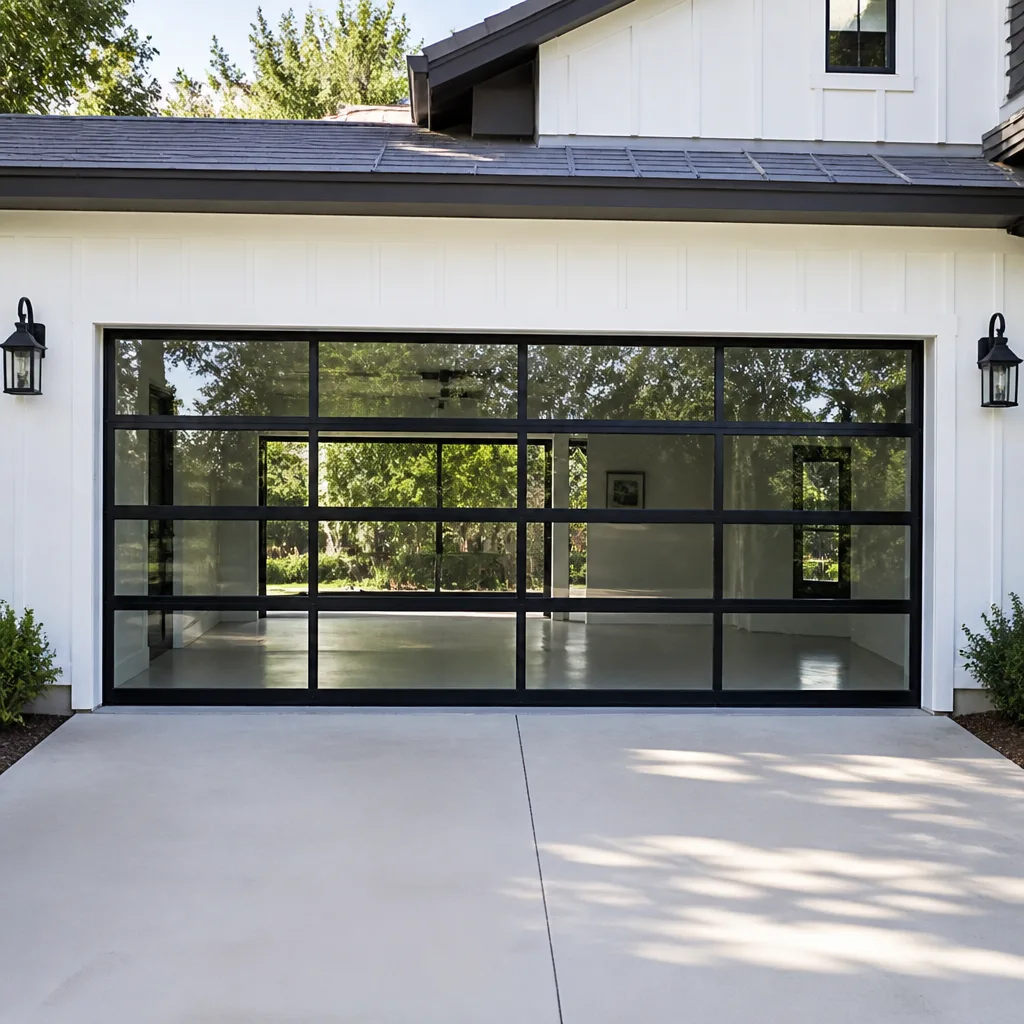 Full-view glass
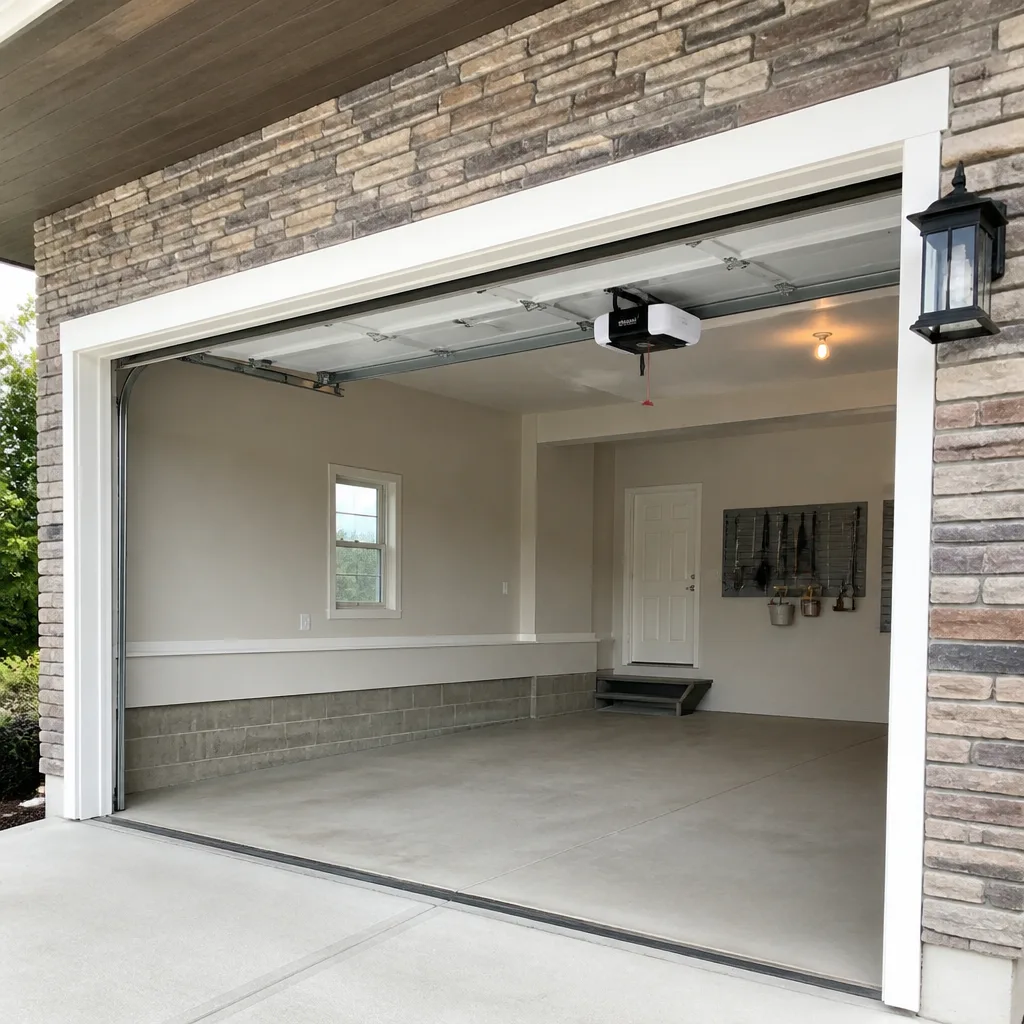 LiftMaster openers
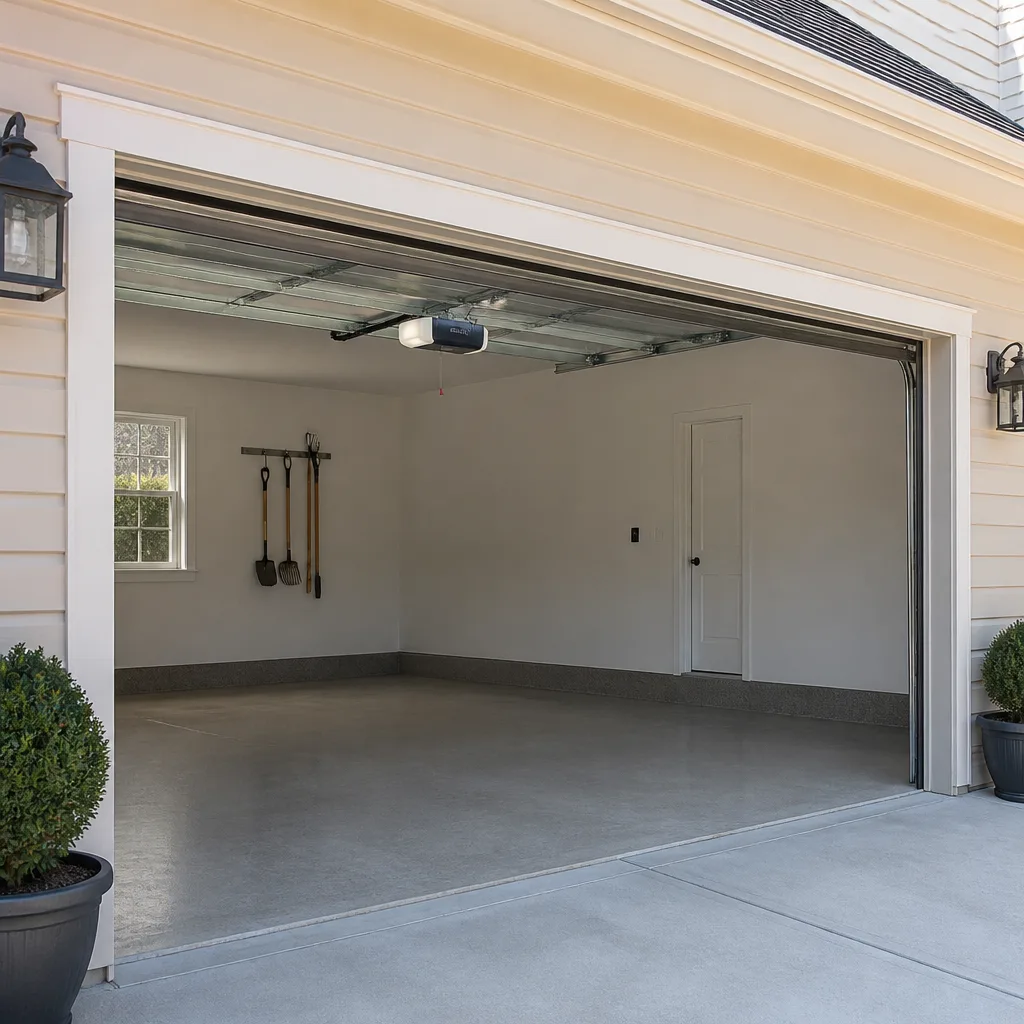 Chamberlain openers
Full 25-point door and opener safety check with every visit - springs, cables, rollers, tracks, and your LiftMaster or Chamberlain opener included
You get a price before we start. It does not change when the pro arrives.
Get your free estimateSeasonal Garage Door Care for Glendale: Year-Round Homeowner’s Guide
Most garage door advice you’ll find online is written for a place with four equal seasons, and that rhythm doesn’t fit Glendale. Here the year splits differently: two periods that actively stress your door (the pre-summer heat ramp and the monsoon), one maintenance window in October and November when work holds best, and a low-risk stretch from December through February. Treating all twelve months the same wastes effort on the quiet weeks and skips the two windows that actually prevent failures. Springs here tend to let go in June and October not because of heat or cold directly, but because those are the months right after the two big stress periods, when accumulated fatigue reaches its threshold. This guide maps the Glendale year season by season and shows you what to do, and when, so a repair doesn’t catch you off guard.
Quick Answer
Garage door maintenance in Glendale works best on a two-window schedule: do the heavy inspection and lubrication work in October and November, then prep weatherstripping and drainage before the monsoon in June and July, with a light post-summer check in September to catch heat fatigue before it turns into a spring failure. The December through February stretch is the low-stress time, so save cosmetic and alignment work for then, when it lasts longest.
Styles & brands we work with
- Raised-panel steel
- Carriage house
- Modern flush
- Full-view glass
- LiftMaster openers
- Chamberlain openers
Table of Contents
- Why Glendale’s Garage Door Seasons Don’t Match the Calendar
- The Four Climate Phases of a Glendale Garage Door Year
- Pre-Summer Heat Ramp: What to Check Before the Peak
- Monsoon Prep: Weatherstripping and Drainage Before the First Storm
- Post-Summer Inspection: Catching Heat Fatigue Before It Fails
- The Winter Window: Why Lubrication and Alignment Last Longest Now
- Building an Annual Log That Makes Next Year Easier
- What to Leave to a Trained Technician
Why Glendale’s Garage Door Seasons Don’t Match the Calendar
A garage door in Glendale doesn’t experience “spring, summer, fall, winter” the way a door in a colder climate does. What it experiences is a long, gradual heat build from April into June, a hard monsoon season that arrives around July, a second heat tail through September, and then a genuinely mild winter that runs from December into February. Each of those phases stresses different parts of the door and its opener. If you treat the year as one continuous chore list, you’ll do the right tasks at the wrong time and get less out of them.
The timing matters more than most homeowners realize. Springs, torsion and extension alike, don’t fail the day the heat peaks. They fail weeks later, once the metal has cycled thousands of times under the load of a heavy door and accumulated fatigue finally crosses the threshold. That’s why June and October are the months when we see the most spring calls in Glendale: those are the weeks right after the two biggest stress periods, when a door that has been quietly weakening all summer or all spring finally gives out.
Understanding this does two useful things. First, it tells you when to actually look at the door rather than when to think about it. Second, it tells you when doing a task pays off, and when it just takes time. Lubrication applied in October, ahead of the mild winter, holds for months. The same lubrication applied in June competes with heat and dust and needs redoing sooner.
One more local factor: Glendale’s housing stock is older in places. Neighborhoods like Catlin Court and the streets around downtown have homes where the same door has cycled for a long time on the same springs, and those doors reward a steady inspection routine more than a brand-new one would. If you’re not sure what’s on your door, the first step is just reading the label or snapping a photo of the opener and spring setup. We work on the common systems you’re likely to find, including Genie openers and Clopay and Amarr doors, so identifying the brand is usually the fastest way to know how it behaves in the heat.
The Four Climate Phases of a Glendale Garage Door Year
Think of the Glendale garage door year as four distinct blocks, each with a job that belongs to it and nothing else. Doing the right task in the right block is the whole point of this guide.
- Phase 1: Pre-summer heat ramp (April into June). The door’s metal expands, springs carry more cycles, and dust and grit work their way into rollers and hinges. The task here is inspection and tightening, plus early lubrication of moving joints before the worst of the heat arrives.
- Phase 2: Monsoon season (roughly July into September). Moisture, wind-driven rain, and debris test weatherstripping, the bottom seal, and how water drains away from the door opening. The task here is sealing and drainage, ideally done before the first storm rather than after.
- Phase 3: Post-summer inspection (September into October). This is the quiet-arrival window. The door survived the heat, and the accumulated fatigue starts to show. Look at springs, cables, rollers, and the opener’s balance. This is when you catch problems before they fail.
- Phase 4: The winter window (December through February). Mild, dry, low-cycle months. This is the best time for lubrication, alignment, and cosmetic work because it holds longest and the door isn’t fighting heat or storms while you work.
Notice what isn’t a phase: there’s no separate “spring cleaning.” In Glendale, the April-to-June ramp is the spring cleaning, and it’s the highest-value maintenance window after the fall one. A door that gets a real inspection in April and again in October is far less likely to surprise you.
Pre-Summer Heat Ramp: What to Check Before the Peak
By the time the first triple-digit stretch shows up, your door has already started working harder than it did in March. The pre-summer ramp is the time to check the parts that dry out and loosen under heat. Skip it and the failures show up in June and July, when a repair is inconvenient and the door gets used the most.
Here’s a simple pre-summer checklist you can walk through without tools, plus the items to flag for a technician:
- Listen on the way up and down. Grinding, squealing, or a door that shudders as it travels usually points to dry rollers or worn hinges before it points to the spring.
- Watch the gap at the floor. If daylight shows under the closed door, the bottom seal has flattened and will let in heat, dust, and later monsoon rain.
- Check the opener’s reversing safety feature. Place a small object in the door’s path and confirm the door reverses. If it doesn’t, stop and call for service.
- Look at the springs. A clean gap in a torsion spring means it has failed. Never try to test or adjust one yourself; torsion springs and the cables under tension are the most dangerous parts of the whole system and require a trained technician with the right tools.
- Open and close the door a few times and note the balance. A door that won’t stay halfway open, or that slams the last foot, is out of balance and wearing the opener.
If your door runs on a Wayne Dalton or a Genie opener, the pre-summer check on the drive system matters as much as the door itself. The opener motor, the belt or chain, and the safety sensors all take heat stress too, and they often fail alongside the door because they’re the two halves of one system. That’s why we cover both the door and the opener; a repair that fixes one and ignores the other tends to come back. If something already sounds wrong heading into summer, garage door repair in Glendale can be scheduled ahead of the peak rather than in the middle of it.
One scheduling note: pre-summer repair and replacement work is measured and ordered, so it’s worth starting in April if you know you need something replaced. A free measure and a written price now beats a scramble later.
Monsoon Prep: Weatherstripping and Drainage Before the First Storm
Monsoon prep is the one task in this guide that is genuinely time-sensitive. Weatherstripping and drainage work is best done in June and early July, before the first real storm arrives, not afterward when you’re already mopping up. A door that seals tightly and drains cleanly handles the season with no drama; one that doesn’t starts letting water into the garage and warping the bottom of the door.
Two things matter most: the bottom seal and the path water takes away from the opening.
- Check the bottom weatherstripping for cracks and compression. Run your hand along the seal when the door is closed. If it’s hard, cracked, or flattened, it won’t keep out wind-driven rain.
- Look at the threshold. If there’s a gap under the closed door at one side, the seal or the slab may be out of level, and water will find that gap in a monsoon.
- Walk the grade outside the door. Water should run away from the opening, not pool against the threshold. A low spot or a blocked drainage channel is the difference between a dry garage and a wet one.
- Check the sides and top seals. These take the wind-driven rain and are often the first to fail on older doors.
- Clear debris from the tracks and the base. Grit and small debris left in the track can keep the door from closing fully, which defeats the seal entirely.
If the bottom seal is on a Clopay or Amarr door, replacements are straightforward, but they have to match the door’s profile to seal properly. This is not a job to improvise with a generic strip. If your seals are worn, a technician can match the right profile and check the threshold while they’re there. That kind of work is scheduled, not same-day, so plan it for early summer rather than waiting for the first storm warning.
One more monsoon note specific to Glendale: wind-driven rain doesn’t just test the door. It shines a light on how well the opener’s sensors and wiring are mounted. If the sensors get wet or shift, the door can refuse to close. Check that they’re secure and dry before the season starts.
Post-Summer Inspection: Catching Heat Fatigue Before It Fails
This is the section most homeowners skip, and it’s the one that saves the most calls. By September, your door has been through a full summer of heat and cycles. Springs, cables, rollers, and hinges have quietly absorbed all of it. The failure doesn’t announce itself. It accumulates. A post-summer inspection in late September or early October is your chance to catch the wear before it reaches the threshold in October and November.
Here’s what we look at, and what you can check on your own:
- Springs and cables. Look for a stretched spring, a gap, or a frayed cable. These are the parts that fail in October, and they’re also the parts you should never touch yourself. Torsion springs are under extreme tension and can cause serious injury. Leave every spring and cable check to a trained technician.
- Rollers and hinges. These take the most invisible wear. Listen for grinding on the way up and down; that’s usually rollers drying out or wearing flat.
- Balance. Disconnect the opener and lift the door halfway by hand. A balanced door stays put. One that drops is wearing the opener on every cycle.
- The opener’s drive. The belt, chain, or screw on any opener, Genie included, wears alongside the door. Post-summer is the time to check tension and the auto-reverse.
- Door alignment and panel condition. Heat can warp panels or pull them slightly out of line. A quick visual check catches this before it becomes a track problem.
The 60-to-90-day lag is real. What you’ll notice in September is a small noise, a slightly sluggish open, or a door that doesn’t close all the way on the first try. Left alone, that becomes a failed spring in October, right when you least want it. A post-summer check is cheap; a mid-fall spring replacement caught at the wrong time isn’t. When something does need opener work, garage door opener repair handles both the electronics and the mechanical drive in one visit.
The Winter Window: Why Lubrication and Alignment Last Longest Now
December, January, and February are the quiet months in Glendale, and that makes them the best time to do the maintenance that has to stick. Lubrication applied in the winter holds for months because the door isn’t fighting heat and dust. Alignment work done in mild weather stays aligned. Cosmetic and finish work doesn’t get baked on before it sets. This is the window where a little effort pays off the longest.
Three winter tasks are worth the time:
- Lubricate the moving parts. Rollers, hinges, and the pivot points take a proper garage door lubricant, applied in the winter so it lasts through the pre-summer ramp. Clean the tracks first; lubricant on top of grit does more harm than good.
- Check alignment and balance. With the door closed, look at the gap between the door and the frame on each side. Then test balance by hand with the opener disconnected. Minor adjustments made now are easier than in the middle of summer.
- Cosmetic and finish work. Touch-up paint, weatherstripping refreshes, and hardware tightening all hold well in the winter. If you’ve been meaning to replace a worn seal or re-screw a loose bracket, this is when it sticks.
This is also the best time to think about a full replacement if your door is on its last legs. A new door is measured, ordered, and scheduled, and the quiet winter months make the whole process less rushed. If you’re deciding on a new door, the brand-agnostic approach matters. We’re familiar with the major lines, including Clopay and Amarr, and can recommend what fits your home and budget rather than pushing one manufacturer’s product. If you’re not sure of your existing door’s brand, Pearl Garage Door Repair can identify it and work from there.
Winter is also when the annual log (next section) is easiest to fill in, because you’re not chasing problems. That makes it the right time to write down what the door did all year so next year’s prep is faster.
Building an Annual Log That Makes Next Year Easier
The single best thing you can do for your garage door over the long run is keep a simple log. Not a formal binder. A one-page record you add to through the year. It makes next year’s prep faster and gives any technician a usable history, which shortens diagnosis and helps avoid replacing the wrong part.
Here’s a simple structure to follow:
- Identify the equipment. Brand and model of the door and the opener. Include a photo of each label. Genie, Clopay, Amarr, and Wayne Dalton are all common in Glendale, and knowing which you have tells a technician how the system behaves in the heat.
- Note the install or last-replacement date for springs, opener, and door, if you know it. If you don’t, write “unknown” and start the clock now.
- Log each seasonal check. Date, what you looked at, and anything you noticed (a noise, a sluggish open, a gap at the floor). A note like “door slows in last foot, September” is more useful than you’d think.
- Log every repair and service. Date, what was done, and who did it. If a spring or opener is replaced, note the brand and model.
- Keep the current season’s task list at the top. So next October you open the log and know exactly where to start.
A log like this turns a guessing game into a schedule. It also gives a technician real data instead of a memory. When a door fails in October, the log tells you whether the spring was already flagged in September, whether the opener has been noisy for months, and whether the bottom seal was replaced recently. That shortens the visit and helps avoid replacing a part that’s still fine.
What to Leave to a Trained Technician
Some of this guide you can do yourself: seals, listening, balance checks, keeping a log. Some of it you shouldn’t. The hardest part of seasonal care is knowing where the line is.
Springs and cables are the line. A torsion spring under tension can cause severe injury if it lets go while you’re near it, and adjusting the cables that run alongside it is just as risky. If you see a gap in a spring, a frayed cable, or a door that’s dropped on one side, stop and call a professional; don’t try to test or adjust it. The same goes for wiring the opener, the safety sensors, or the reversing mechanism, which are electrical and easy to get wrong. Our technicians have up to 14 years of experience and work on the door and the opener together, so a safety check on one doesn’t leave the other half of the system unchecked.
Doing the safe checks yourself and calling for the dangerous work is exactly the right balance. It keeps the door tested, the log current, and the real risks in trained hands.
Common Mistakes to Avoid
- Treating summer and winter as the same. In Glendale they’re not. Doing lubrication in the heat and skipping it in the mild winter wastes the window that actually holds. Move heavy maintenance to the winter and the fall inspection.
- Waiting until the first storm to check weatherstripping. Monsoon prep belongs before July, not after water’s already come in. The seal and drainage work is scheduled, not same-day, so plan it early.
- Skipping the post-summer check. The 60-to-90-day lag after the heat is where the October failures come from. A September look catches the spring fatigue before it fails.
- Lubricating over grit. Applying garage door lubricant to dirty tracks and rollers just grinds the grit in. Clean first, then lubricate, and do it in the winter when it lasts.
- Ignoring the opener when the door is serviced. The door and the opener fail together. A repair that fixes one and forgets the other tends to come back before the next season.
- Testing springs or adjusting cables yourself. The most dangerous part of a seasonal check is the part you shouldn’t do. Leave the springs and cables to a trained technician.
- Not keeping a log. Without a record, every season starts from zero, and a technician works from a guess instead of a history.
See the difference
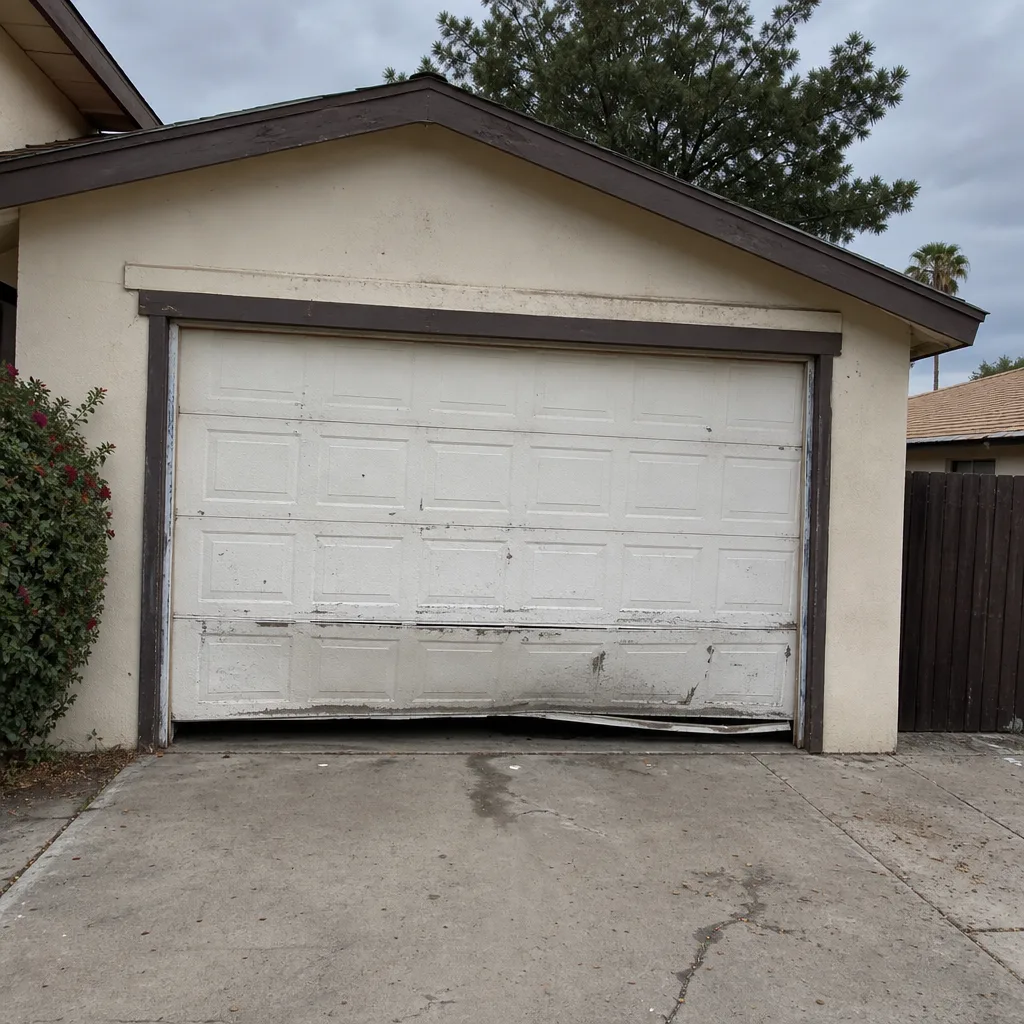 Before
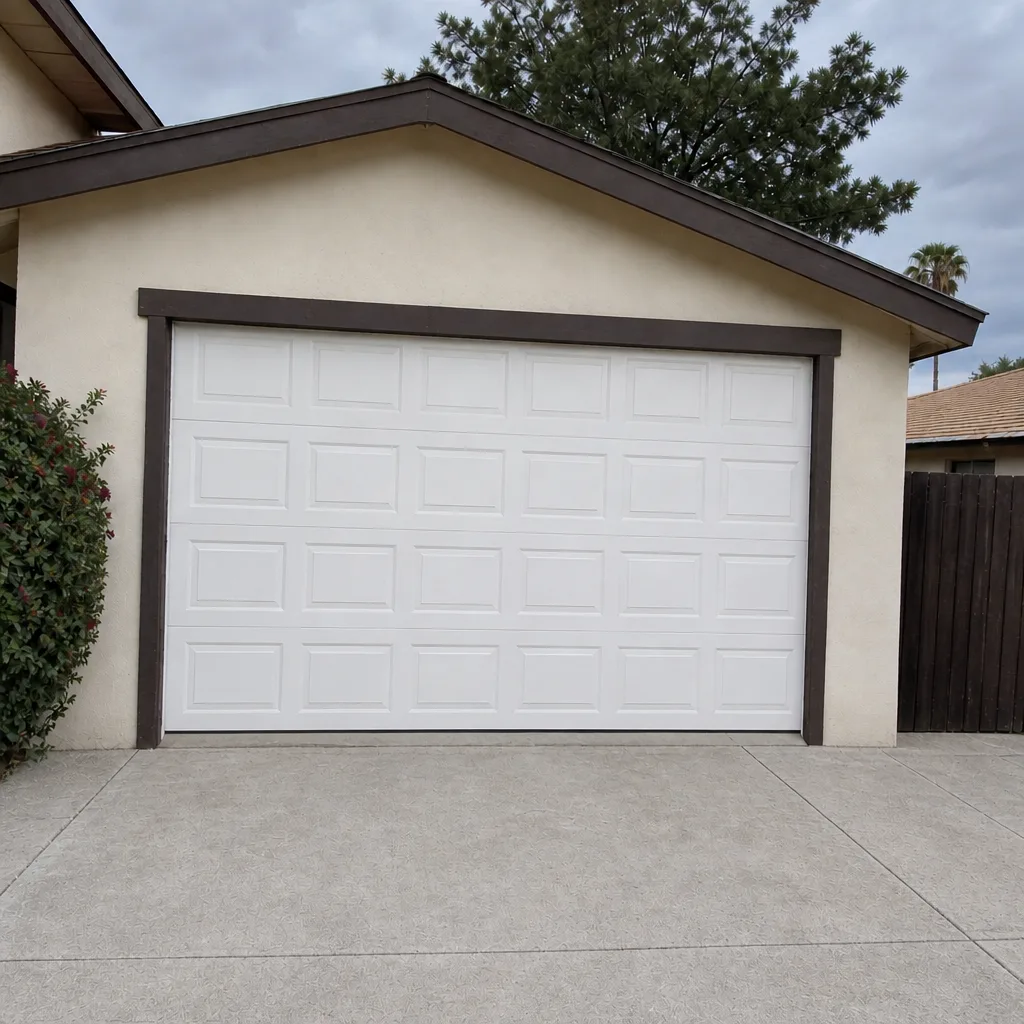 After
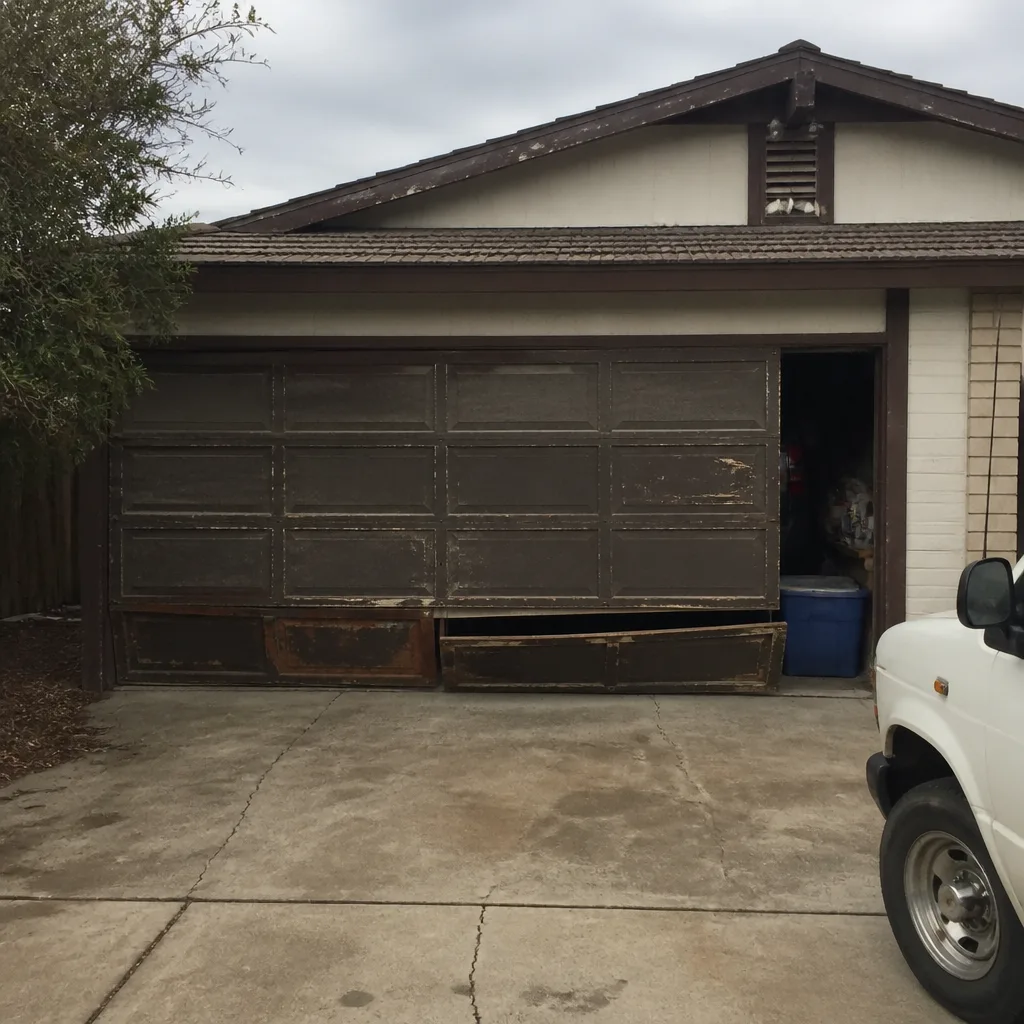 Before
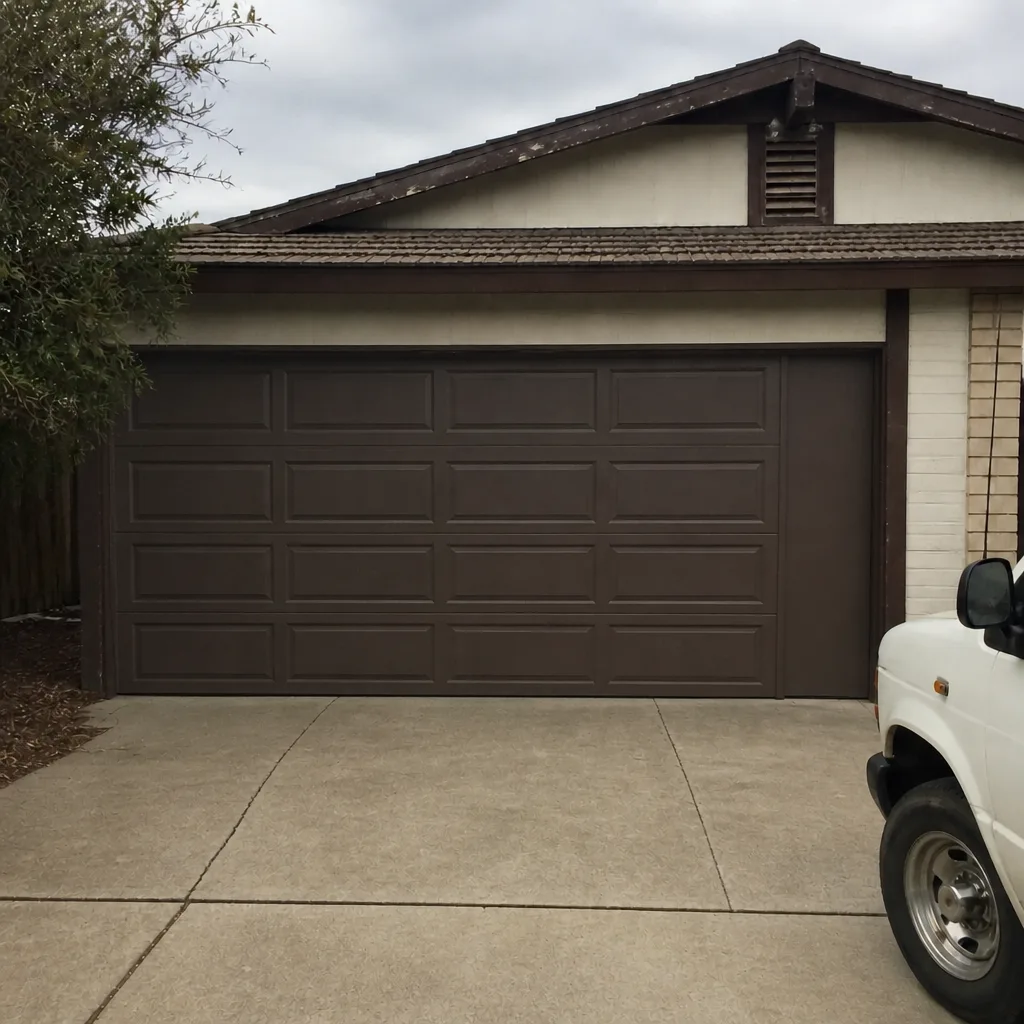 After
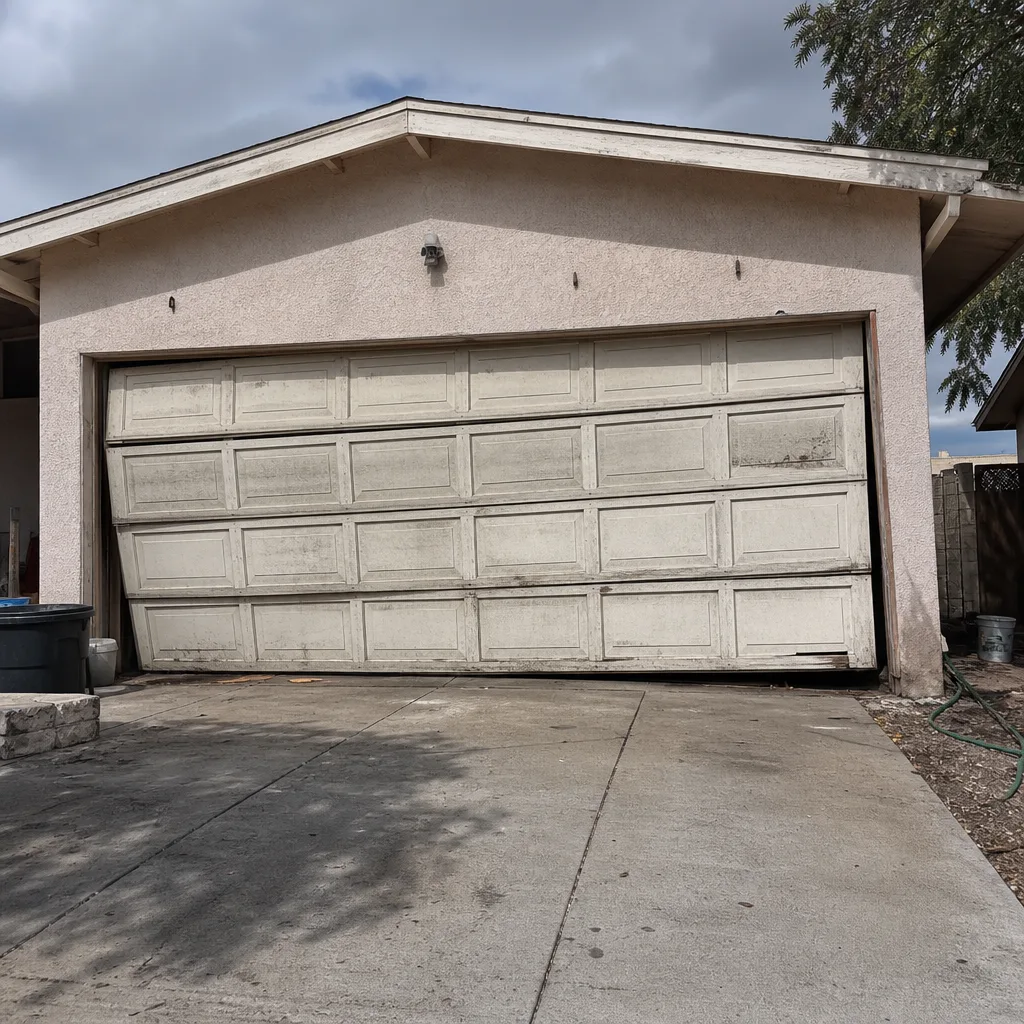 Before
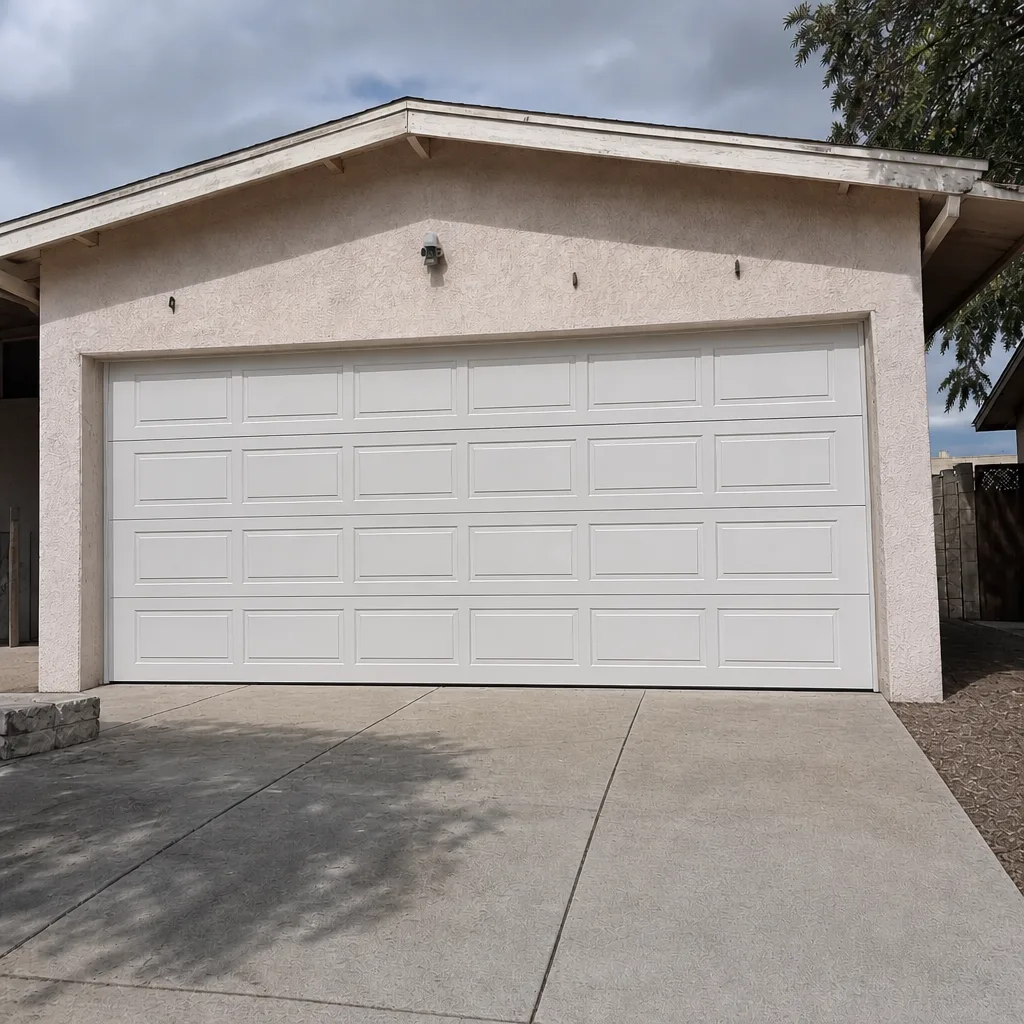 After
When to Call a Professional
Some seasonal tasks are yours to do; some need a trained technician. Call a professional if you hear grinding or squealing that doesn’t stop after a clean-and-lubricate, if the door won’t stay balanced or reverses unevenly, if you see a gap in a spring or a frayed cable, if the bottom seal or threshold needs replacing, or if the opener is noisy or the safety reverse doesn’t work. Those are the calls that keep the door from failing in the window when it’s most used. In Glendale, that means the April ramp and the September inspection. Pearl Garage Door Repair offers free estimates in Glendale, and our technicians cover both the door and the opener so nothing gets missed. Call (877) 490-7828. We answer 24/7. Fast dispatch from 7am to 7pm, Sunday through Friday.
Frequently Asked Questions
The two highest-value windows are October and November for the heavy inspection and lubrication work, and June and July for weatherstripping and drainage ahead of the monsoon. A light post-summer check in late September catches heat fatigue before it turns into a spring failure. The winter months (December through February) are best for lubrication, alignment, and cosmetic work because they hold longest.
Springs fail in the months right after the two biggest stress periods: the pre-summer heat ramp and the summer itself. That lag is why June and October bring the most spring calls. The metal doesn’t fail from the heat directly; it fails when the accumulated fatigue from all those cycles finally crosses the threshold.
Yes. The bottom weatherstripping and the drainage path around the door opening are what keep wind-driven rain out, and the work is best done in June and early July before the first storm. Check the bottom seal for cracks and compression, confirm the threshold seals, and make sure water runs away from the door rather than pooling at it.
You can listen for noises, check the door’s balance by hand with the opener disconnected, look at the gap at the floor, test the opener’s reversing feature, and keep the annual log. Spring and cable checks, and any work on the opener wiring or safety sensors, should always be a trained technician. Torsion springs are under extreme tension and can cause serious injury.
No. The written estimate sets the final price, and the estimate is free. We quote and agree on the price before any work starts, so there are no surprises when the invoice comes. Call (877) 490-7828 for an exact quote. We answer 24/7. Fast dispatch from 7am to 7pm, Sunday through Friday.
Not usually. Replacement doors and matched weatherstripping are measured and ordered, so they’re scheduled rather than done same-day. That’s why winter is a good window for a new door: the quiet months make measuring, ordering, and scheduling less rushed. Call (877) 490-7828 for a free measure and a written price.
The Bottom Line
Glendale’s year doesn’t give your garage door four equal seasons. It gives you two stress periods (the pre-summer heat ramp and the monsoon), one maintenance window in the fall, and one quiet stretch in winter. Put the tasks where they hold: weatherstripping and drainage before July, a real post-summer inspection in September to catch the 60-to-90-day heat fatigue, and lubrication, alignment, and cosmetic work in the winter when it lasts. Keep a simple annual log so next year’s prep is faster and any technician has a usable history. And leave the springs, cables, and opener wiring to a trained technician. Get that rhythm right and your Glendale door stays tested through the months that matter. If you’re due for a check, garage door repair and garage door opener repair are covered under one company, and Glendale homeowners can reach us for a free estimate at (877) 490-7828. We answer 24/7. Fast dispatch from 7am to 7pm, Sunday through Friday.
Written by the team at Pearl Garage Door Repair.