
Last updated November 15, 2026
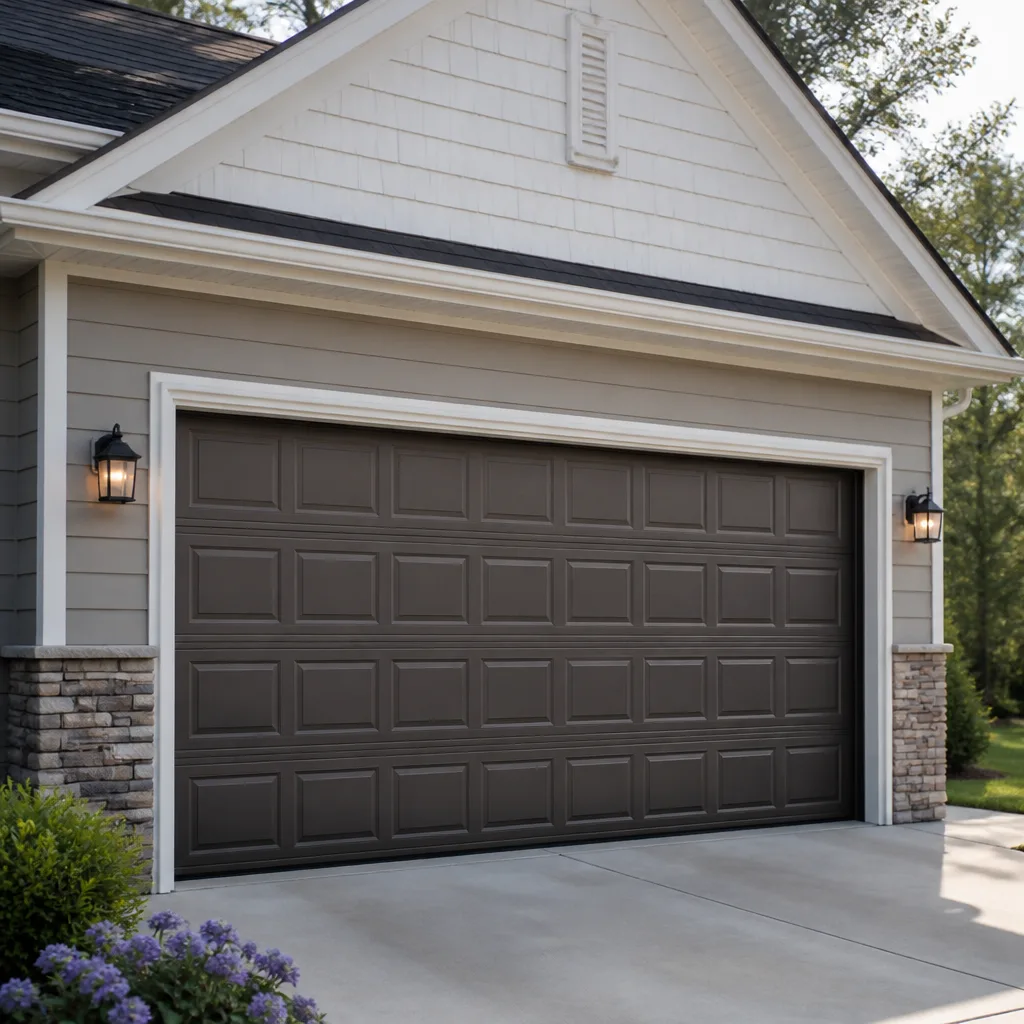 Raised-panel steel
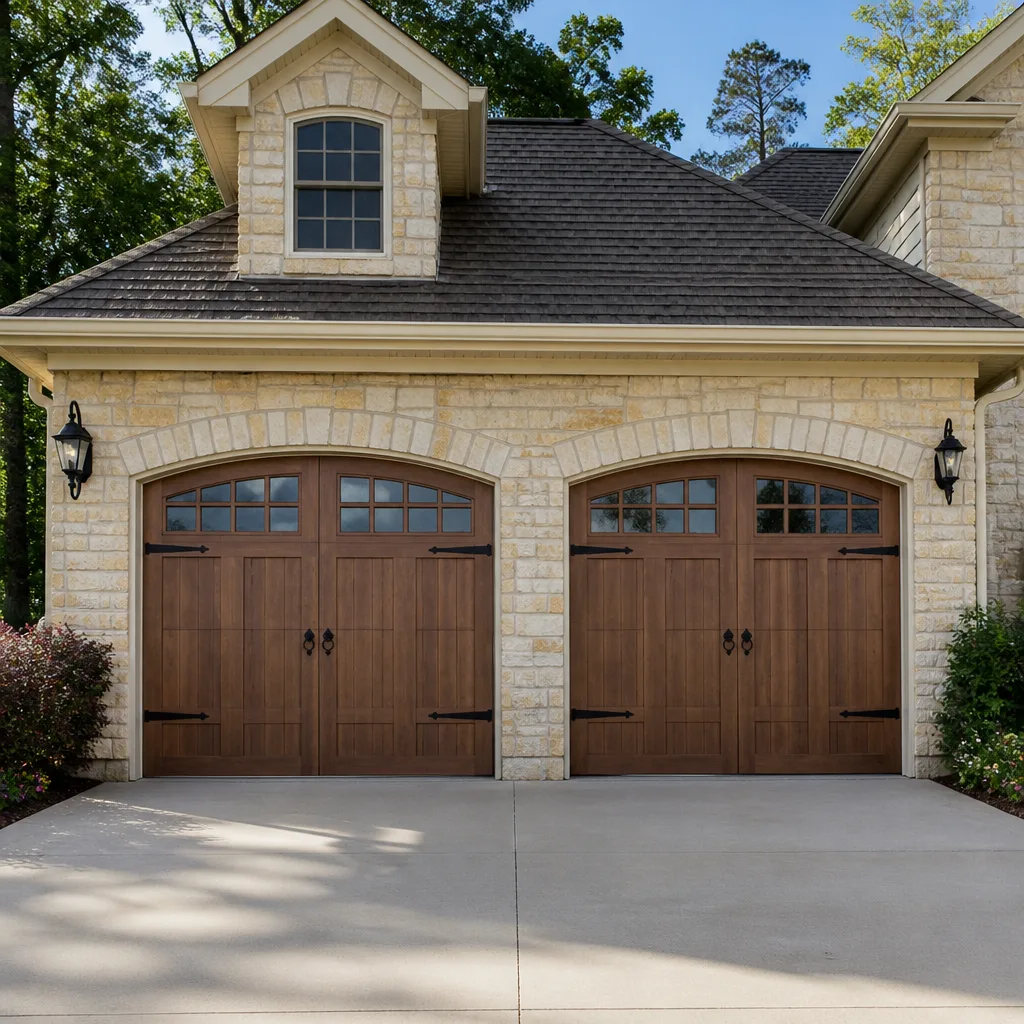 Carriage house
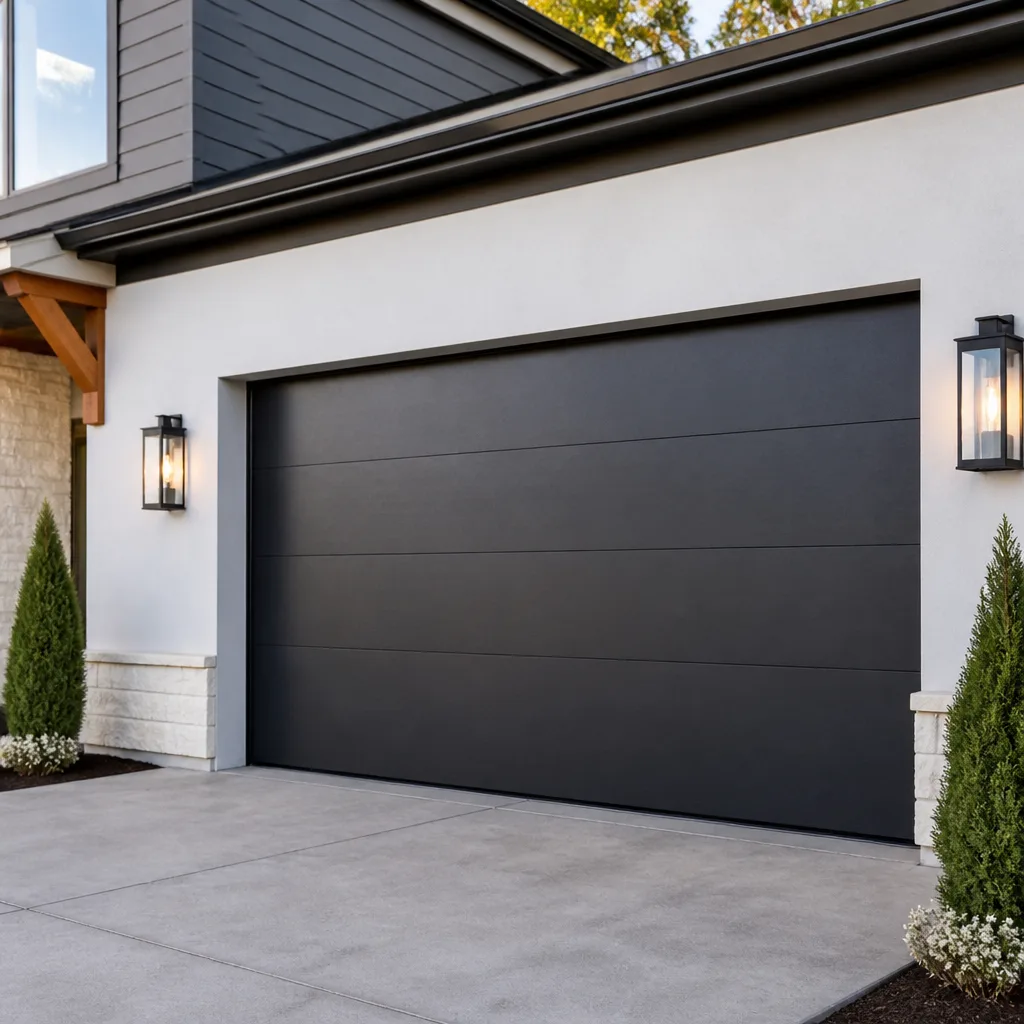 Modern flush
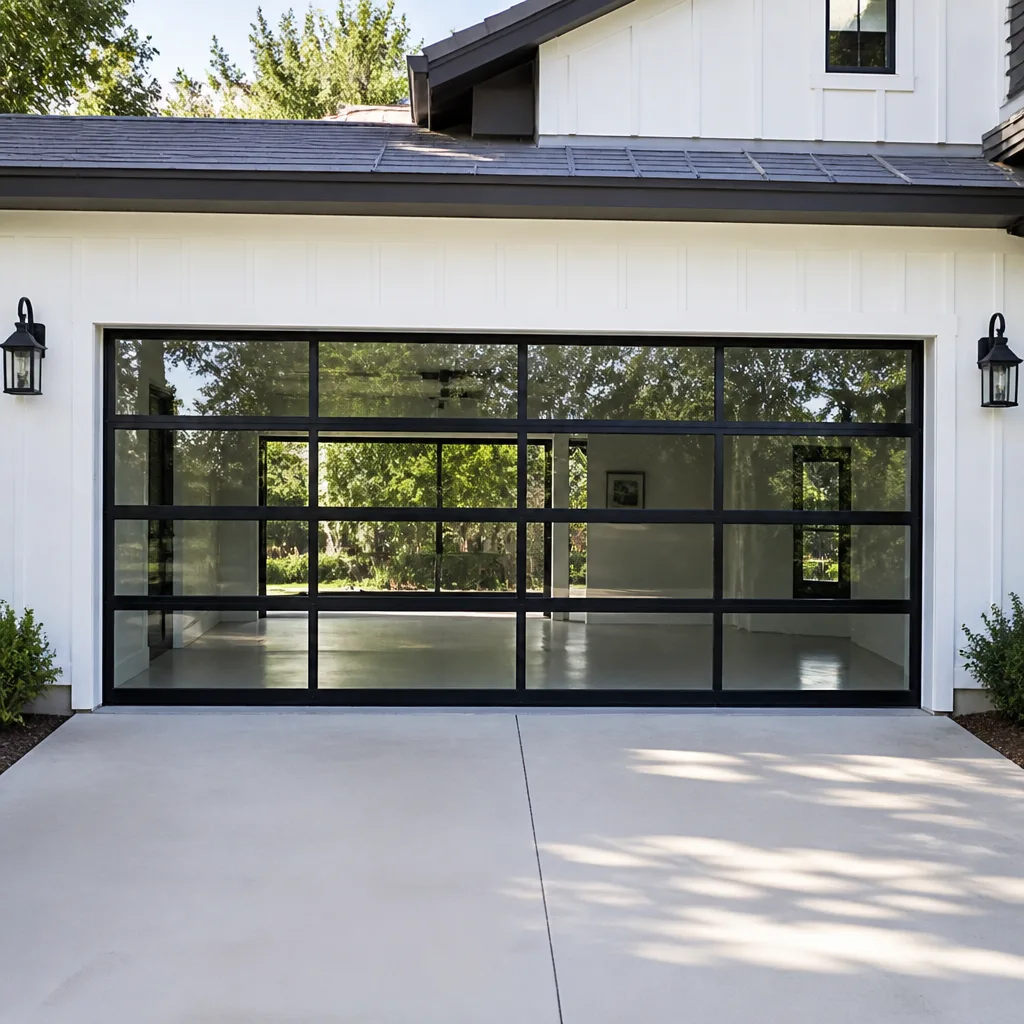 Full-view glass
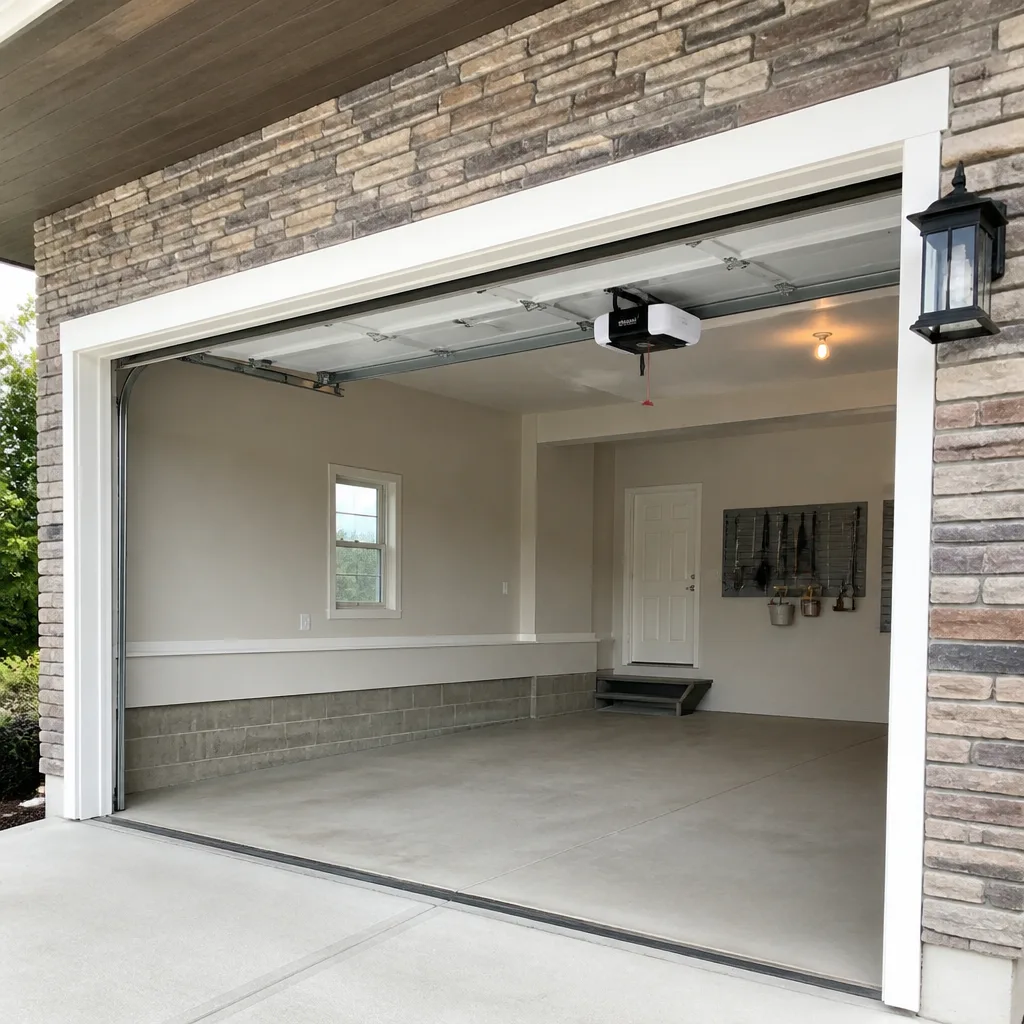 LiftMaster openers
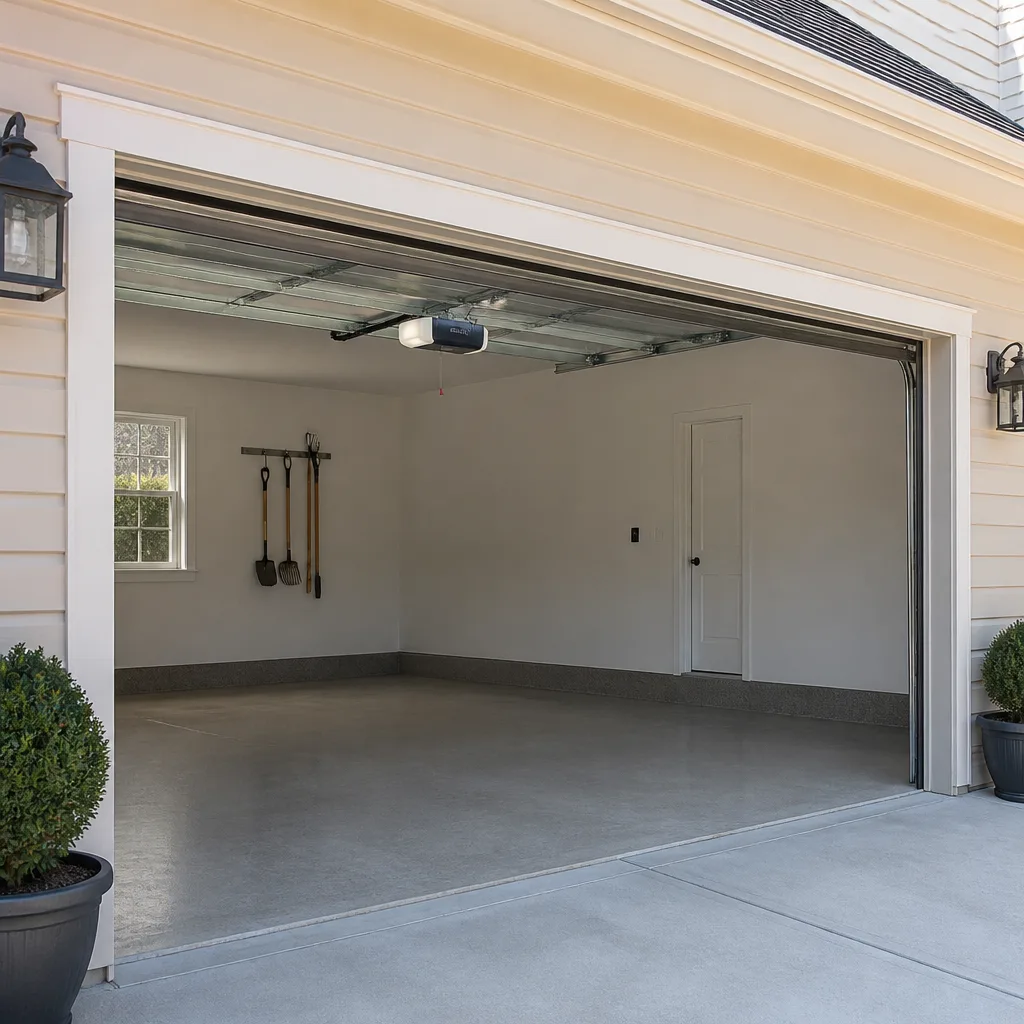 Chamberlain openers
Full 25-point door and opener safety check with every visit - springs, cables, rollers, tracks, and your LiftMaster or Chamberlain opener included
You get a price before we start. It does not change when the pro arrives.
Get your free estimateThe Complete Guide to Garage Doors in Glendale
Most garage door advice you’ll find online was written for a climate that doesn’t exist here. Manufacturer spec sheets assume moderate temperatures, steady humidity, and a door that gets a break between seasons. Glendale doesn’t offer that break. This city hits over 110°F on average more than 20 days per year, and that range quietly rewrites the lubrication schedule, the panel warranty assumptions, and the spring tension math printed on most spec sheets. In this guide we’ll walk through how heat, monsoon dust, and sustained UV exposure change what your door needs, which materials actually hold up, and how to map the full lifecycle of a door in Glendale from install to the fifteen-year mark.
Quick Answer
A garage door in Glendale needs more frequent lubrication than national guides suggest, spring and opener service planned around extreme summer heat, and material choices made for UV exposure rather than cold-weather performance. Steel with a quality finish, aluminum, and composite doors handle Glendale conditions best, while cheap thin-gauge steel fades and warps within a few years. Servicing the door and the opener together, with one company, avoids the delays and finger-pointing that come from splitting the work.
Styles & brands we work with
- Raised-panel steel
- Carriage house
- Modern flush
- Full-view glass
- LiftMaster openers
- Chamberlain openers
Table of Contents
- How Glendale heat changes spring, roller and opener behavior
- Which door materials survive Glendale UV exposure
- The full lifecycle of a Glendale garage door
- Monsoon season: a separate failure window
- Brand matters: working with what’s on your home
- Single contractor vs. multi-contractor model
- A maintenance routine built for Glendale
- What garage door work typically costs in Glendale
How Glendale Heat Changes Spring, Roller and Opener Behavior
A torsion spring rated for 10,000 cycles assumes a stable operating temperature. In Glendale, a garage that faces west can sit well above 120°F inside during a July afternoon, and the steel in that door expands and contracts daily. That cycling is what shortens spring life. A spring that would last a decade in a mild climate often gives out sooner here, and the failure usually happens on the hottest stretch of the year, not in a gentle season.
The same heat hits the rollers. Nylon rollers soften slightly under sustained high temperatures, and the bearings inside them lose lubricant faster than a national maintenance chart accounts for. Steel rollers are more heat-tolerant but noisier. In our experience, that trade-off is worth discussing with a homeowner before a roller swap, because the right answer depends on how the door is used daily and how much noise matters in the house.
Opener duty cycles are the third piece most guides miss. A LiftMaster or Chamberlain opener rated for a certain number of cycles per hour is rated at a standard ambient temperature. In a Glendale garage in August, the motor runs hotter, the thermal cutoff trips sooner, and a door that binds even slightly forces the opener to work harder every single cycle. That’s why a door that “just needs a new opener” often needs the door rebalanced first.
What this means in practice for Glendale homeowners:
- Lubricate hinges, rollers and the spring shaft more often than a generic annual schedule suggests, especially through summer.
- Have spring tension checked before the hottest months, not after a failure.
- Treat a binding door as an opener problem waiting to happen, and fix the door first.
- Keep the garage ventilated where possible; a cross-breeze lowers the temperature the motor and springs see.
High-tension springs and the cables that run alongside them are the most dangerous part of any garage door. A torsion spring stores enough energy to cause serious injury, and adjusting one without the right winding bars and knowledge is how people get hurt. Check for wear, listen for the door, and leave the tension work to a trained professional.
Which Door Materials Survive Glendale UV Exposure
Material choice is where Glendale’s climate separates good doors from cheap ones fastest. Sustained UV exposure breaks down finishes, and heat cycling stresses every joint. Here’s how the common options actually behave locally, based on what we see on homes across Glendale.
Steel
Steel is the most common door material in Glendale, and the gauge matters more than the marketing. A heavier-gauge steel door with a quality factory finish holds its color well for years. A thin-gauge steel door with a bargain finish is the one that fades to a chalky, uneven color and can warp at the panel edges within three to five years. If a steel door is in your budget, spend on the finish and the gauge, not on the trim package.
Aluminum
Aluminum won’t rust, which matters less here than it would near the ocean, but it handles heat well and holds a powder-coat finish cleanly. Full-view aluminum doors with glass panels are popular on contemporary Glendale homes. The glass is the weak point under direct sun, so choose the glazing carefully.
Composite and wood-look
Composite doors mimic wood without the maintenance a real wood door demands in this climate. Real wood doors in Glendale need regular sealing to survive the UV and dry air, and even well-kept wood will move with the seasons. Composite gives you the look with far less upkeep.
What fades and what doesn’t
- Holds up: heavier-gauge steel with a baked-on finish, powder-coated aluminum, quality composite.
- Struggles: thin-gauge steel with a cheap paint finish, unstained wood, low-grade vinyl.
- Watch for: chalky surfaces, panel warping at the edges, color fading unevenly on the sun-facing side.
The Full Lifecycle of a Glendale Garage Door
A garage door isn’t a buy-it-and-forget-it item, and in Glendale the timeline runs a little faster than the national average because of heat and UV. Here’s what a realistic lifecycle looks like, mapped to the marks most homeowners care about.
At installation
This is when the right decisions get locked in: material, gauge, finish, spring rating, and opener model. A door installed with a spring rated for the door’s actual weight and an opener matched to the door’s lift force will run cleanly for years. A door installed with mismatched parts starts its life already working too hard.
Around the five-year mark
This is when the first meaningful service items show up in Glendale. Rollers start to wear, the finish on a lower-grade door begins to fade, and the opener’s moving parts benefit from a check. A door that was lubricated and adjusted along the way is usually still running smoothly here. A door that wasn’t is often noisy, slow, or starting to bind.
Around ten years
Springs commonly reach the end of their life around this point under Glendale conditions, and the opener may start showing its age, especially a builder-grade unit. This is the natural moment to think about whether a repair makes sense or whether the door and opener are ready for replacement together.
Around fifteen years
By this point the door has been through many summers and monsoons. Cosmetic wear is normal, and the question becomes whether the panels, hardware and opener still make sense as a system. Many Glendale homeowners replace the full door and opener at this stage rather than chase repairs one at a time.
Monsoon Season: A Separate Failure Window
Summer heat and monsoon season are two different stressors, and they fail doors in different ways. Heat wears things down slowly. Monsoon dust and wind-driven debris find every gap and stress the door suddenly. That’s why September is often when Glendale homeowners notice problems that had been building quietly all summer.
What the monsoon window actually does:
- Dust and grit in the tracks. Wind-driven dust settles in the track channels, and a door rolling over grit wears its rollers faster and can jump or bind.
- Debris against the door. Palm fronds, leaves and grit collect against the bottom seal and can work into the weatherstripping.
- Dust on the opener’s sensors and housing. The safety sensors at the base of the door need a clear line of sight, and dust or debris between them stops the door from closing.
- Sudden load shifts. A door that was balanced through the dry season can feel different after a monsoon as dust and slight track movement change how it travels.
A simple post-monsoon routine goes a long way: clear the tracks, wipe the sensor lenses, check the bottom seal, and listen for any change in how the door sounds. If the door feels heavier or the opener strains, that’s the signal to have it looked at before the next summer.
Brand Matters: Working With What’s on Your Home
The single biggest reason a repair goes sideways is a technician who doesn’t know the specific brand and model on the door. Garage doors and openers are not interchangeable, and the differences between a LiftMaster logic board, a Chamberlain safety sensor setup, a Genie chain drive and a Raynor door’s hardware are real. A company that only works on one manufacturer’s products will either push you toward a replacement or struggle with the one you have.
At Pearl Garage Door Repair, our technicians are factory-familiar with eight of the most widely installed brands: LiftMaster, Chamberlain, Genie, Clopay, Amarr, Wayne Dalton, Craftsman, and Raynor. That means when we look at your door, we’re working from what’s actually there rather than guessing and swapping parts until something works. Our technicians have up to 14 years of experience, and that experience shows up in the diagnosis, not just the repair.
Brand neutrality matters too. Because we’re not locked to selling one manufacturer’s products, we can recommend what fits your home and your budget rather than what we’re incentivized to move. When a door genuinely needs replacement, that recommendation is about the door, not about us.
For common problems like a door that won’t close, a sensor issue or a straining motor, our garage door opener repair service handles the electronics side. For panel, spring, cable and track problems, our garage door repair service covers the mechanical side. Door and opener handled together by one company is the model that avoids the runaround.
Single Contractor vs. Multi-Contractor Model
Here’s a decision most homeowners don’t think about until they’re already in the middle of it: do you hire one company for the door and another for the opener, or one company for both? Splitting the work between vendors is common and usually adds cost, delay, and finger-pointing.
Consider what happens when a door binds and the opener overheats. If the opener company comes out and replaces the opener, the binding door still forces the new opener to work too hard. If the door company comes out first, they can rebalance the door and the opener may be fine. Without one company looking at both, the homeowner often pays for the opener and the door repair separately, plus a service call each time.
The single-contractor model fixes that in three ways:
- One diagnosis. The technician looks at the door and the opener together and finds the actual cause, not the symptom.
- One appointment. The door and the opener get handled in the same visit where possible, which saves the homeowner a second visit and a second wait.
- One accountable party. If something isn’t right, there’s one company to call, not two that can each point at the other.
Pearl covers repair, opener repair, and full installation under one name, which is the whole point of the model. You don’t need a second company for the second half of the problem.
A Maintenance Routine Built for Glendale
National maintenance guides are a decent starting point and a poor fit for Glendale. Here’s a routine built around what actually fails here, in the order most homeowners should do it.
- Lubricate hinges, rollers and the spring shaft. A few times a year, and definitely before summer and after monsoon.
- Clear the tracks. Wipe the inside of the track channels and check that no debris is forcing the door to bind.
- Test the safety sensors. Wipe the sensor lenses at the base of the door and confirm the door reverses when something is in the path.
- Listen to the door. A door that’s grinding, squeaking or straining is telling you something needs attention.
- Check the bottom seal and weatherstripping. Dust, grit and sun wear these faster here than in cooler climates.
- Look at the panels and finish. Watch for fading, chalky surfaces and panel warping, especially on the sun-facing side.
The one thing to never do yourself is adjust or replace a torsion spring. That’s the high-tension component, and it’s the most common source of serious garage door injuries. Have a trained professional handle it.
What Garage Door Work Typically Costs in Glendale
Garage door pricing varies by door size, brand, and the condition of the existing hardware, but a rough sense of the range helps homeowners plan. These are typical estimates, not exact quotes, and the written estimate sets the final price.
| Service | Typical estimated range |
|---|---|
| Torsion spring replacement (one spring) | $180 – $340 |
| Matched pair of springs (replaced together) | About twice the single-spring range |
| Roller replacement or hinge service | $120 – $260 |
| Cable or track repair | $150 – $320 |
| Opener repair (motor, logic board, sensors) | $150 – $400 |
| New opener installation | $390 – $750 |
| Full new door installation | Varies widely by size, material and finish |
Springs are usually replaced as a matched pair, so a pair costs about twice a single spring. We always confirm the full price before any work starts, and the written estimate is what you pay. Estimates are free, and we’ll walk you through what’s needed and what can wait.
Common Mistakes to Avoid
- Lubricating on a cooler-climate schedule. A once-a-year lube job from a national guide is too little for a Glendale summer. Lubricate a few times a year, especially before and after summer.
- Replacing the opener without checking the door. If the door binds, a new opener will work too hard and fail the same way. Fix the door first.
- Buying the cheapest steel door. Thin-gauge steel with a bargain finish is the door most likely to fade and warp within three to five years in Glendale sun.
- Ignoring post-monsoon maintenance. September is the month to clear tracks, wipe sensors and check the bottom seal, because that’s when monsoon dust has done its damage.
- Splitting door and opener work between companies. Two vendors means two service calls, two diagnoses and no single party accountable when the fix doesn’t hold.
- Touching the torsion spring. This is the one job that should never be DIY. It’s the most dangerous part of the door.
- Skipping the safety sensor check. A dusty sensor stops the door from closing and is easy to overlook before it becomes a nuisance.
See the difference
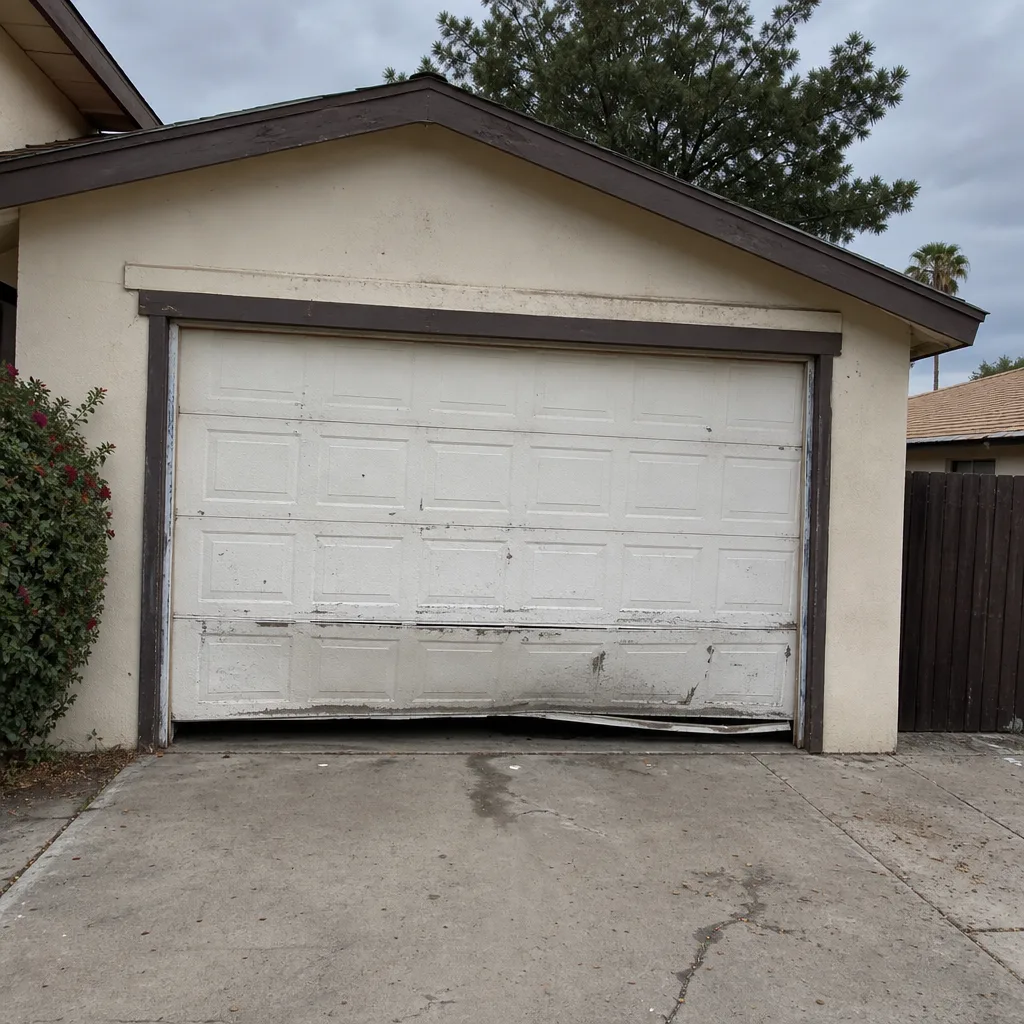 Before
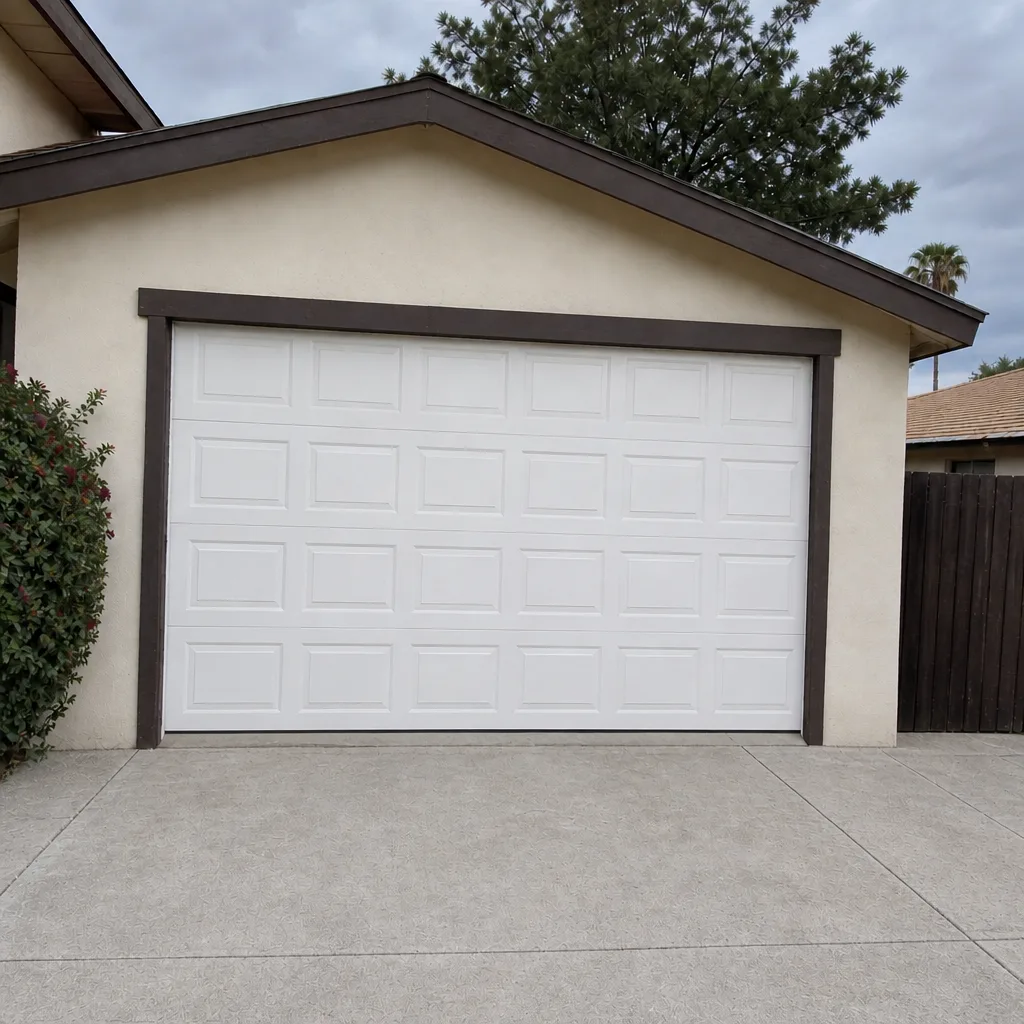 After
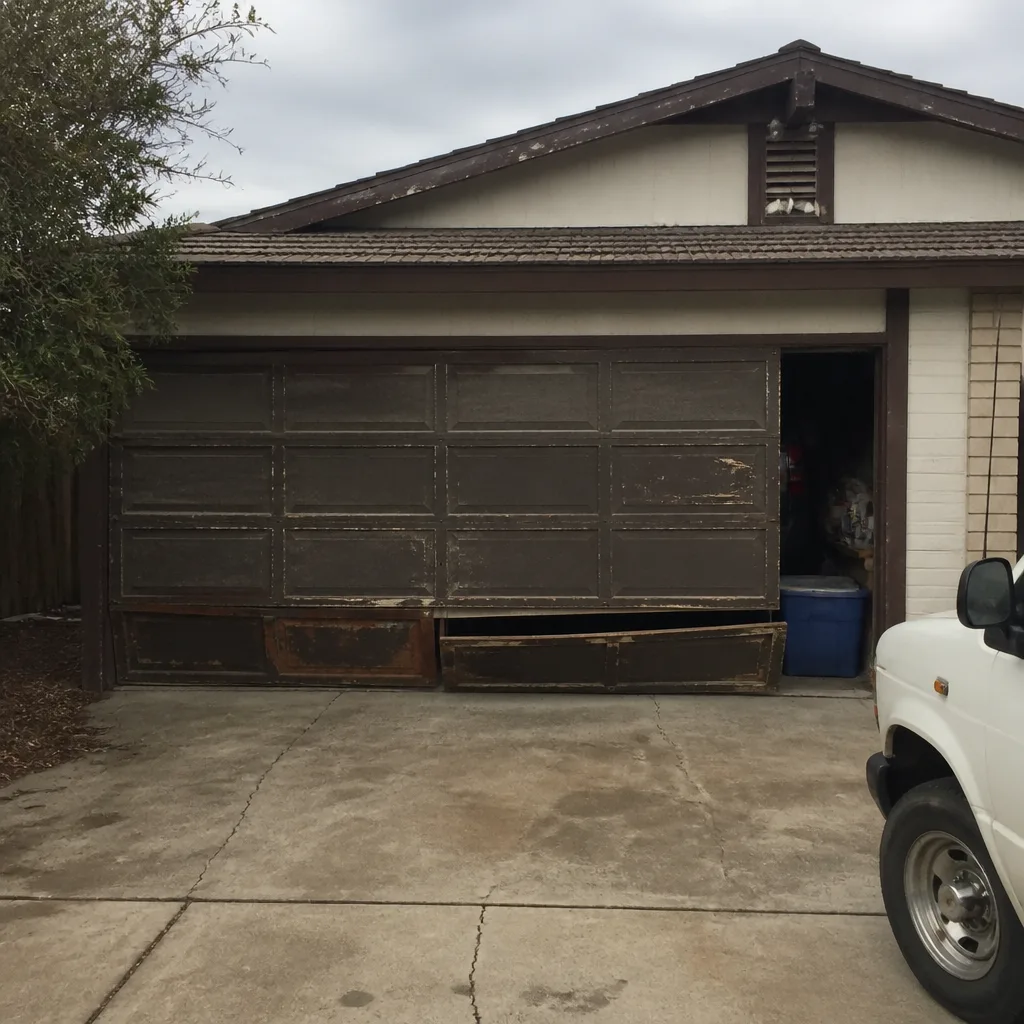 Before
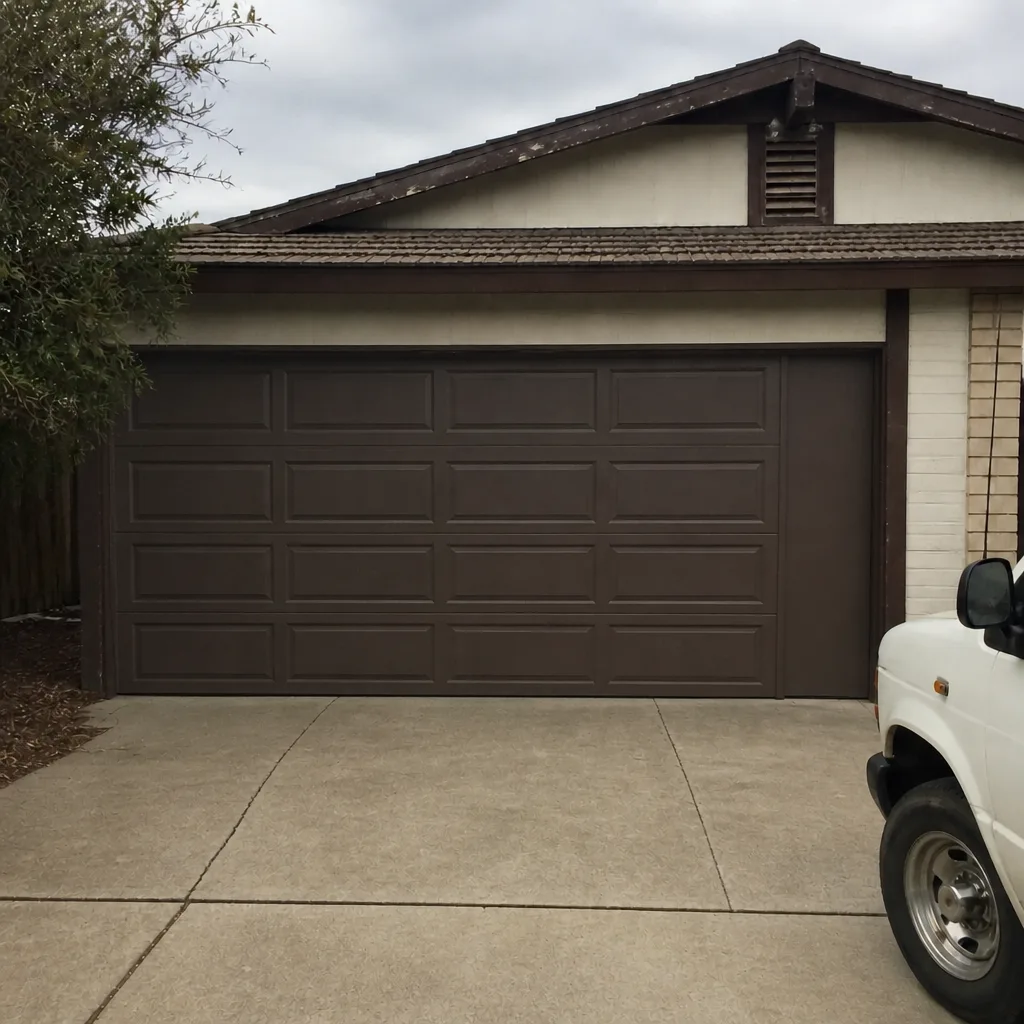 After
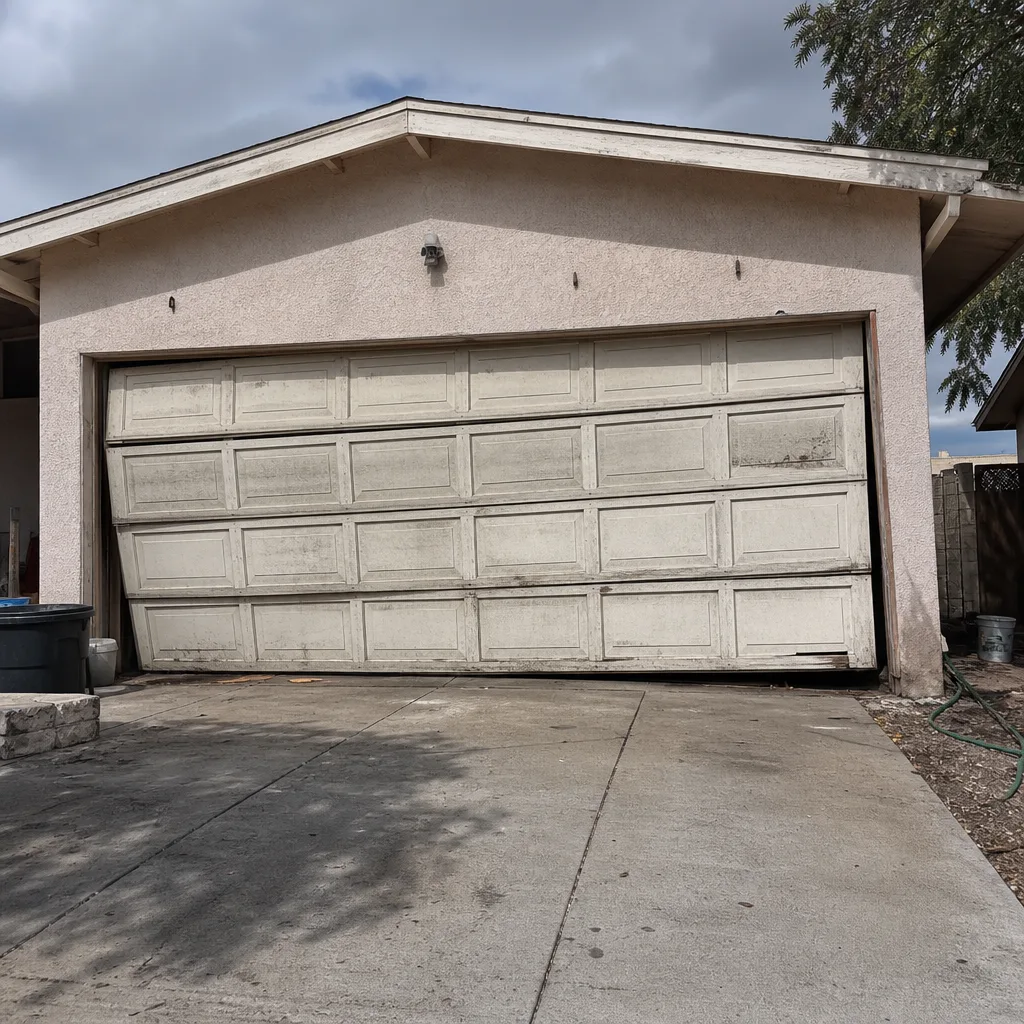 Before
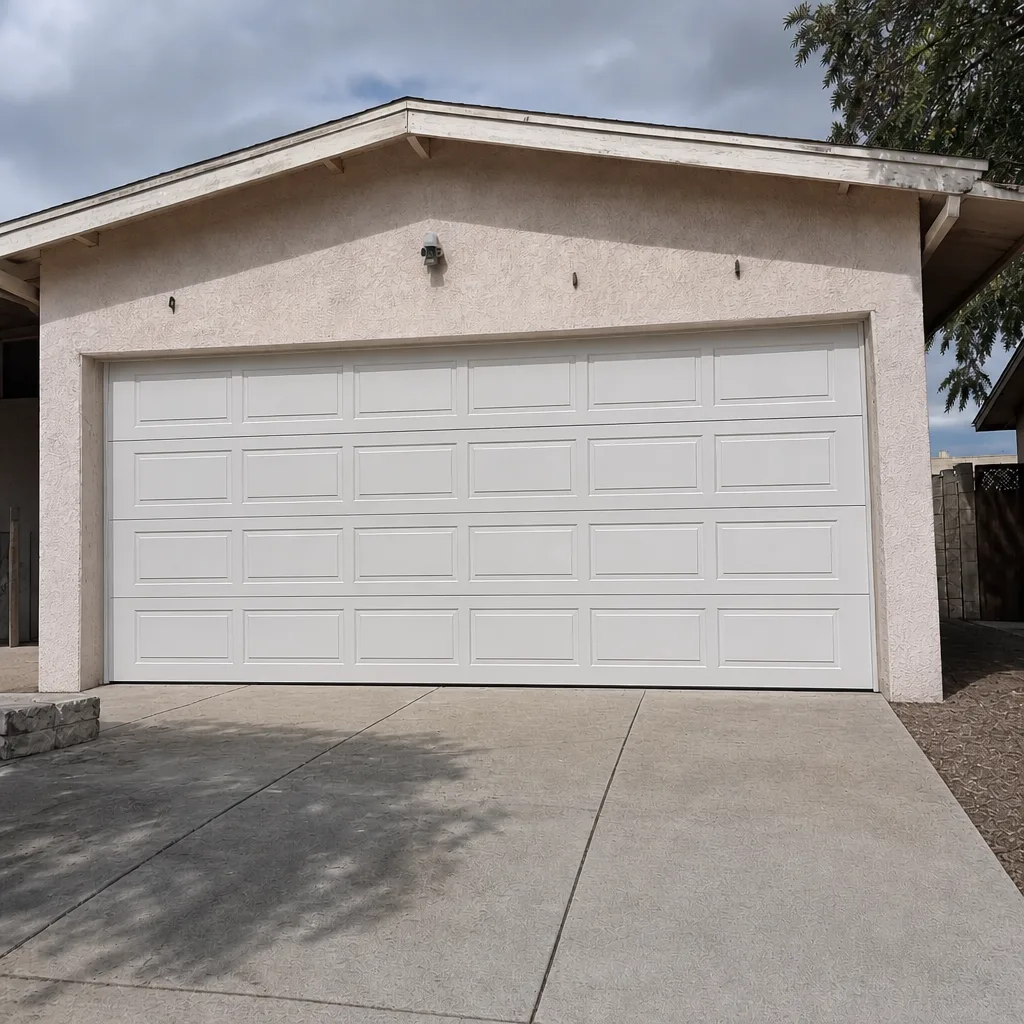 After
When to Call a Professional
Some issues are obvious, and some are quiet. Call a professional if the door won’t open or close, if the spring has snapped (you’ll hear it), if the door feels heavier than usual, if the opener strains or stops midway, if the door reverses for no reason, or if you see a cable that looks frayed or has come off its drum. Also call if the sensors won’t stay clear, if the door is binding in the track, or if you’re unsure whether the door and opener are working as a pair.
If it’s a spring or cable problem or anything involving the high-tension side of the door, don’t try it yourself. Call a trained technician. Pearl Garage Door Repair offers free estimates in Glendale – call (877) 490-7828. We answer 24/7. Fast dispatch from 7am to 7pm, Sunday through Friday. Closed Saturday.
Frequently Asked Questions
More often than a national guide suggests – a few times a year, and especially before summer and after monsoon season. Glendale heat breaks down lubricant faster than cooler climates do, so the annual lube schedule most guides recommend is too little here.
Heavier-gauge steel with a quality finish, powder-coated aluminum, and quality composite all hold up well under sustained UV exposure. Thin-gauge steel with a bargain finish is the one most likely to fade and warp within three to five years. Call (877) 490-7828 to talk through what fits your home.
Yes – that’s the point of working with one company. We handle mechanical door repair, opener electronics and new installation under one name, so you don’t need a second contractor for the second half of the problem. Call (877) 490-7828 for a free estimate.
Because monsoon season stresses the door differently than summer heat does. Wind-driven dust collects in the tracks and around the sensors, and debris works into the weatherstripping. That’s why a door that ran fine in June can start binding by September. A post-monsoon check catches it early.
Yes, our technicians are licensed and insured. Our technicians have up to 14 years of experience, and we’re factory-familiar with eight major brands, including LiftMaster, Chamberlain, Genie, Clopay, Amarr, Wayne Dalton, Craftsman and Raynor. Call (877) 490-7828 for an exact quote – estimates are free.
No – the written estimate sets the price, and we confirm it with you before any work starts. If we find something during the visit that wasn’t visible up front, we’ll walk you through it before doing anything, and the final price is the one on the written estimate. Call (877) 490-7828 to get started.
The Bottom Line
Garage doors in Glendale face a narrower and sharper set of problems than national guides account for. Extreme heat shortens spring life, breaks down lubricant, and stresses openers. Sustained UV exposure separates good panel materials from cheap ones within a few years. Monsoon season adds a second failure window in September. The right answers come from treating the door and the opener as one system, choosing materials that survive the sun, and keeping up a maintenance routine built for this climate. When something needs a repair or a replacement, one company handling both sides of the job is the cleanest path.
Pearl Garage Door Repair handles repair, opener repair and full installation under one name, and we work on your brand rather than pushing ours. Call (877) 490-7828 for a free estimate. We answer 24/7. Fast dispatch from 7am to 7pm, Sunday through Friday. Closed Saturday. For a closer look at who we are and what we cover, visit Pearl Garage Door Repair.
Written by the team at Pearl Garage Door Repair.