
Last updated November 15, 2026
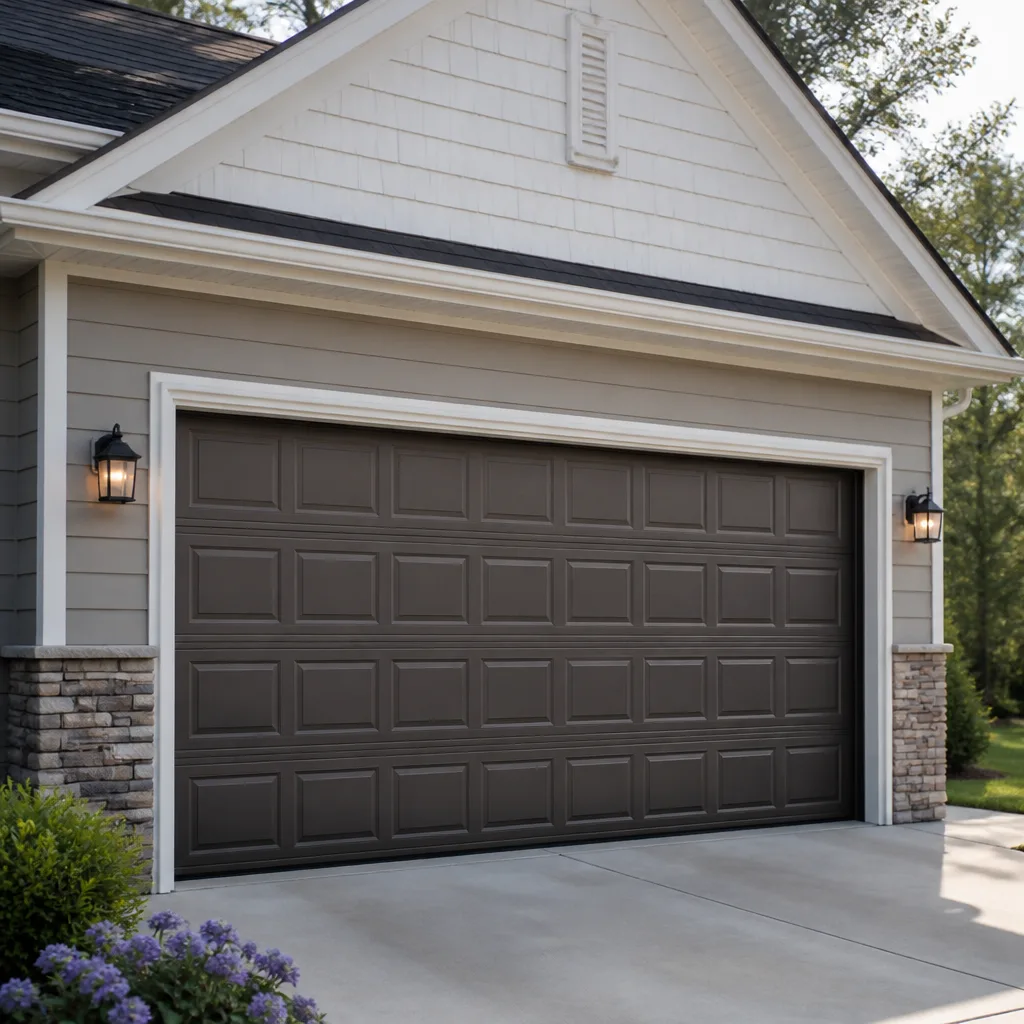 Raised-panel steel
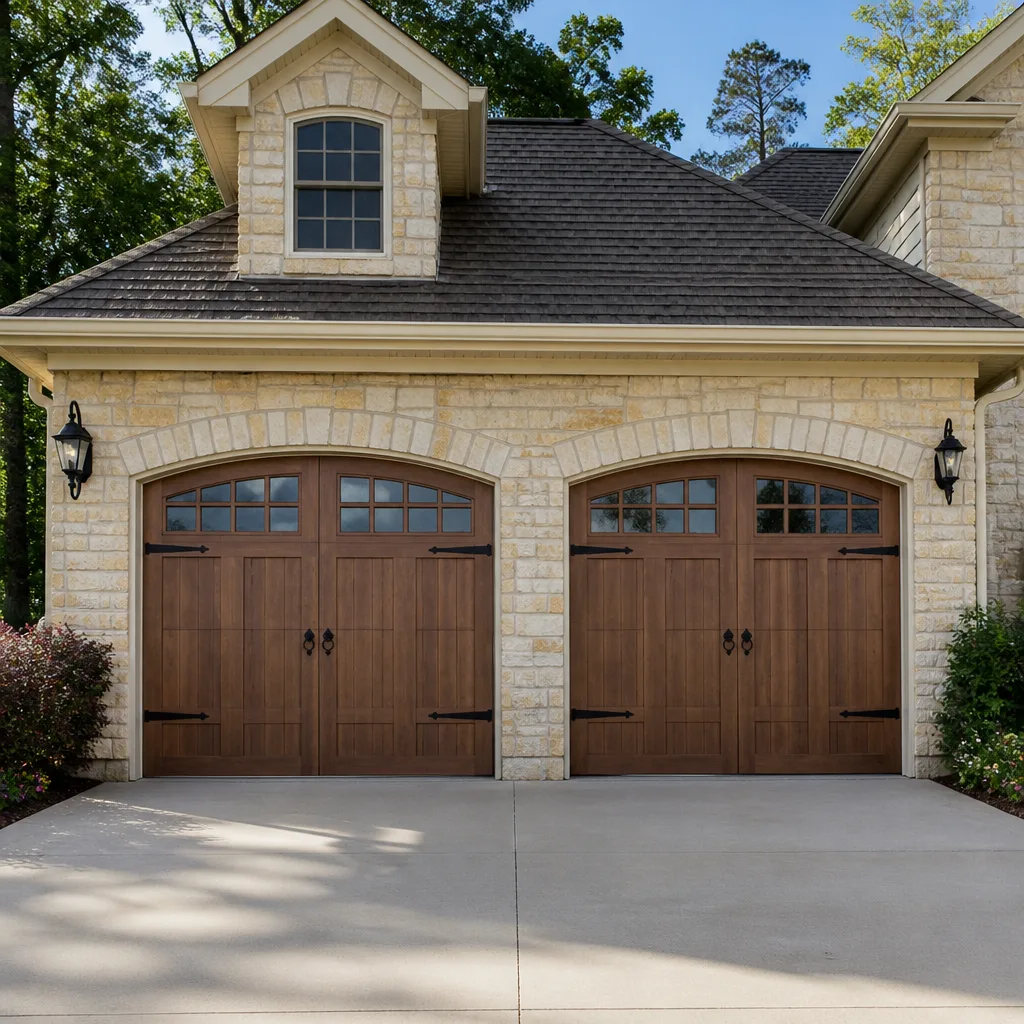 Carriage house
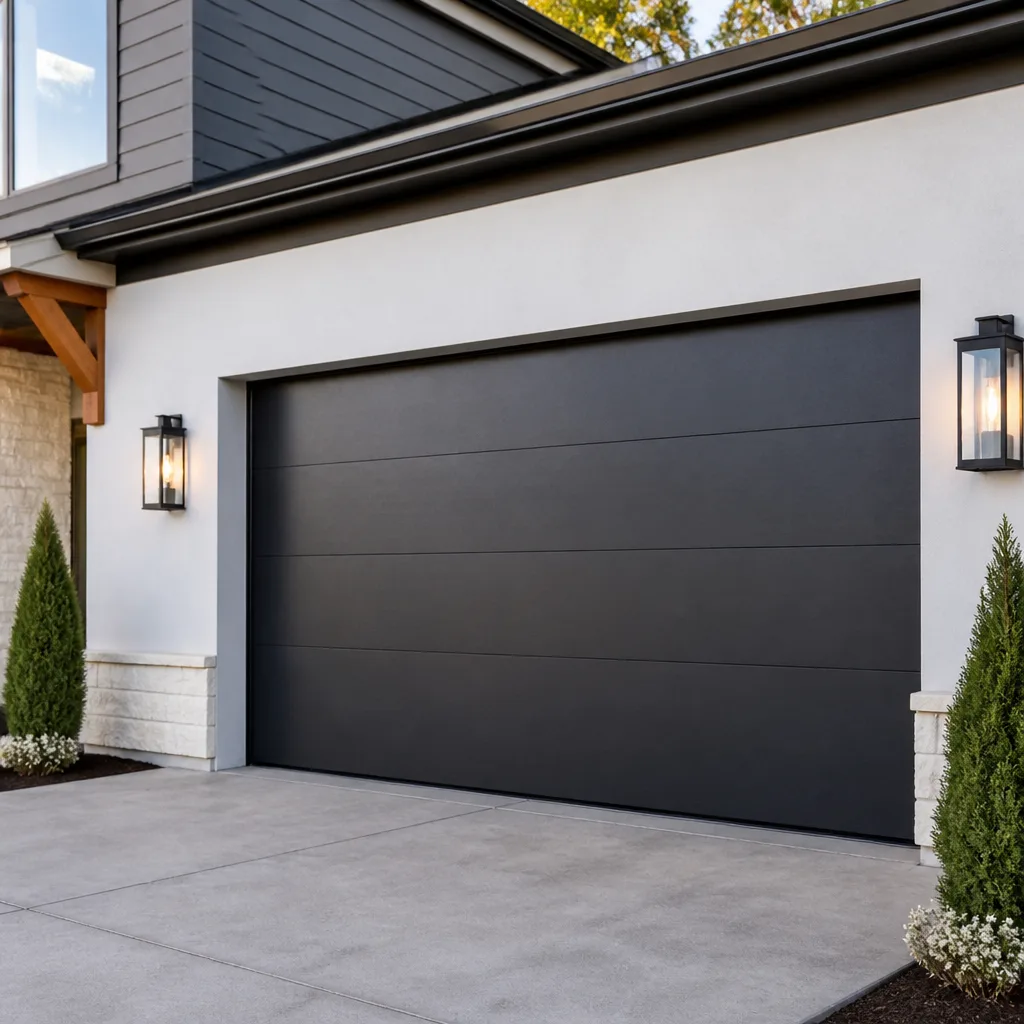 Modern flush
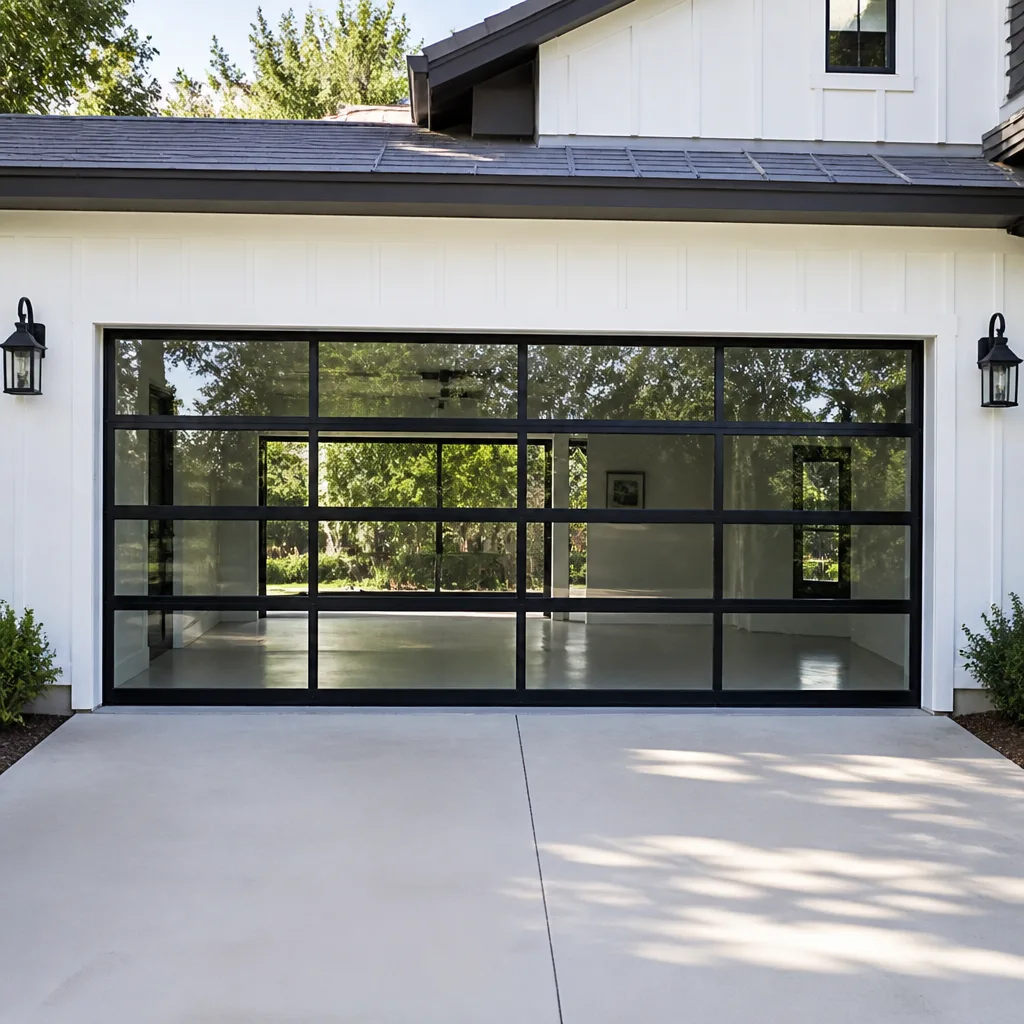 Full-view glass
 LiftMaster openers
 Chamberlain openers
Full 25-point door and opener safety check with every visit - springs, cables, rollers, tracks, and your LiftMaster or Chamberlain opener included
You get a price before we start. It does not change when the pro arrives.
Get your free estimateGarage Door Repair Maintenance Schedule: What to Do and When
Most garage door maintenance advice you’ll find online was written for a climate with four distinct seasons and a long, cold winter. It doesn’t fit Glendale. Here, a door can bake in triple-digit heat in July, get blasted with dust in a monsoon gust in August, and then cool sharply overnight in January – all within the same twelve months, sometimes the same week. A door living through that is not on the same wear curve as one in Ohio. The “lubricate every six months” rule was built for that Ohio door. We wrote this guide to give Glendale homeowners a maintenance schedule calibrated to this valley: what to check each month, which products actually hold up in the heat, how to read your door’s balance test, and what neglect really costs compared to a little regular upkeep. It’s long, because the details matter, but you can scan the sections you need.
Quick Answer
The right garage door maintenance schedule in Glendale is a monthly visual check, lubrication every three months (not six) because desert heat breaks down grease faster, a pre-summer tune-up in May before the worst heat arrives, a post-monsoon inspection in October, and a hardware check in January after the temperature swings of winter. Springs, cables, and opener force settings should be checked by a technician once a year. The two tasks most homeowners skip – weatherstripping and limit switch calibration – are also the two that quietly void many manufacturer warranties when ignored.
Styles & brands we work with
- Raised-panel steel
- Carriage house
- Modern flush
- Full-view glass
- LiftMaster openers
- Chamberlain openers
Table of Contents
- Why a Glendale Maintenance Schedule Is Different
- The Month-by-Month Glendale Garage Door Calendar
- Which Lubricants Fail in Desert Heat
- The Balance Test: Reading Your Spring’s Remaining Life
- The Two Maintenance Tasks That Void Warranties
- The Cost of Neglect vs. a Maintenance Habit
- Common Mistakes to Avoid
- When to Call a Professional
Why a Glendale Maintenance Schedule Is Different
Glendale sits in the Sonoran Desert, and a garage here is not a mild environment. In summer, an attached garage that faces west can hold heat well past sunset, and the door’s metal panels, hinges, and rollers expand with that heat and contract overnight when the temperature drops. That daily expansion and contraction is the real wear driver. A garage door in Glendale cycles through more thermal stress in a week than a door in a temperate climate sees in a month. Metal fatigues, lubricant thins and runs, and seals dry out and crack. A maintenance schedule that ignores this fact will miss the failures before they happen.
The second local factor is dust. Monsoon season, roughly late June into September, brings wind-driven dust that works its way into hinges, rollers, and the opener’s track and drive system. Grit acts like sandpaper on moving parts. After a big dust event, a door that ran quietly can start grinding within a few cycles. On top of that, winter here means wide day-to-night temperature swings rather than sustained cold, which stresses springs and hardware differently than a hard freeze would. Taken together, the schedule for a Glendale door needs a summer-heavy focus, a monsoon cleanup, and a winter hardware pass. A copy-pasted four-season checklist won’t catch any of that.
We work on the full range of doors and openers found across Glendale – LiftMaster and Chamberlain openers, Clopay and Amarr doors, and plenty of the older Craftsman and Raynor units that have been on valley homes for years – and the wear patterns are consistent. Heat and dust, in that order, are what we see most. If you’d rather have someone walk the whole system, Pearl Garage Door Repair handles the door and the opener together so nothing gets missed between two separate contractors.
The Month-by-Month Glendale Garage Door Calendar
Here’s the calendar we recommend for a Glendale home. It’s built around the local seasons rather than a generic spring-and-fall rhythm. You don’t have to do everything yourself – some items are visual checks, some are technician work – but knowing what belongs in each slot keeps small problems from becoming emergency calls.
- January – mid-winter hardware check. After the temperature swings of December and January, tighten bolts on hinges and the track brackets, and look for any loose fasteners that have backed out. Cold nights followed by warm days work hardware loose faster than steady cold does.
- February – opener check. Test the safety reverse and the force settings, and listen for any change in the opener’s sound. This is a good month to confirm the wall button and remotes all work before the heat returns.
- March – rollers and hinges. Inspect rollers for flat spots and wobble, and clean out any grit before it gets ground in over the summer.
- April – weatherstripping and seals. Check the bottom seal and the perimeter weatherstripping for cracks and gaps. Dry desert air and UV both chew through rubber, and April is the right time to replace before the summer heat finishes it off.
- May – pre-summer prep. This is the big one. Get a full tune-up before the worst heat: lubrication, balance test, spring and cable inspection, opener force calibration. What you fix in May is what won’t strand you in July.
- June through September – monthly visual checks. During monsoon season, look over the door and track after any big dust event. Keep the track clear and watch for new noises.
- October – post-monsoon inspection. After the dust season, clean and re-lubricate rollers, hinges, and the opener’s drive, and inspect cables and springs for wear the grit may have accelerated.
- November – door and panel check. Look for dents, bent panels, and any change in how the door sits when closed.
- December – year-end technician visit. Book an annual professional inspection to check spring tension, cable condition, and opener settings before the new year.
The point of a calendar is that small, scheduled work is far cheaper and calmer than reacting to a door that won’t open. If your door is showing wear signs now, our garage door repair service covers Glendale homes and can sort out what the calendar has been telling you.
Which Lubricants Fail in Desert Heat
The most common lubrication mistake in Glendale is reaching for WD-40 or a petroleum-based spray on the rollers and hinges. Those products are fine as a light cleaner or a short-term fix, but they are not lubricants built for this climate. In desert heat, a thin petroleum spray evaporates or runs off quickly, and it attracts dust that turns into a gritty paste inside moving parts. What you want is a lubricant that stays put, resists heat, and won’t gum up when grit lands on it.
Here’s what we recommend and why:
- White lithium grease or a silicone-based spray for hinges, rollers, and the track. These stay in place longer under heat and don’t collect dust the way oil-based sprays do.
- A silicone-based lubricant for the weatherstripping and bottom seal – it conditions the rubber instead of degrading it. Petroleum products break down rubber seals faster.
- Skip grease on the opener’s drive screw unless the manufacturer specifies it. Many openers (Chamberlain and LiftMaster among them) use a drive that wants a light application, not a thick one, and over-lubricating attracts dust.
The practical rule: the standard “lubricate every six months” advice assumes a mild climate. In Glendale, we recommend every three months, and always a fresh coat in May before the heat peaks. A door that’s been running on the wrong product for a season will tell you – you’ll hear a dry rasp or feel a sticky track. To have the rollers and hinges re-lubricated with the right product and the whole system checked in one visit, garage door repair for Glendale homeowners includes this kind of tune-up.
The Balance Test: Reading Your Spring’s Remaining Life
A garage door that feels heavy to lift by hand is telling you something about its springs. The balance test is the simplest safe way to judge whether your springs are still doing their job. You can do it without tools and without putting your hands anywhere near the springs themselves – and that matters, because torsion and extension springs are under heavy tension and can cause serious injury if handled wrong. This test is a check, not a repair.
Here’s how to run it, and what the result means:
- Open the door fully using the opener or the wall button, then pull the manual release to disconnect it from the opener.
- Move the door by hand to the halfway point – roughly waist height – and let go.
- If the door holds in place or settles only slightly, the springs are balanced. If it drops or shoots up, the springs are out of balance or losing tension.
- Repeat at a few points. A door that won’t hold at the halfway mark, or that feels very heavy to lift, is a sign the springs need a professional look.
What the result actually means: a door that holds its position is well balanced and your springs have life left. A door that falls on its own, or that you can barely lift, means the springs are tired and may be near the end of their service life. A door that rises on its own means the springs are over-tensioned, which is just as much a problem. Do not try to adjust or replace the springs yourself – that is genuinely dangerous work. If the balance test fails, that’s the point to call us. Book a balance and spring check through garage door opener repair if the opener is involved too, since a struggling opener often shows up first as a door that seems out of balance.
The Two Maintenance Tasks That Void Warranties
Two maintenance items get skipped more than any others, and both can cost you a warranty claim. The first is weatherstripping replacement. Most garage door manufacturers specify that the bottom seal and perimeter seals be kept in good condition. A worn, cracked seal lets dust, water, and pests in, and it can put uneven pressure on the door that stresses the opener and the panels. If the seal is shot, a future warranty claim for a bent panel or a strained opener motor can be denied on the grounds that the door wasn’t maintained. Check the seal every spring, and replace it when it cracks or loses its shape.
The second is limit switch and force calibration on the opener. Every opener has travel limits that set how far the door opens and closes, and a force setting that controls how hard it pushes. Over time, as rollers wear and seals change, those settings drift. An opener that’s pushing harder than it should is straining itself every single cycle. Brands like LiftMaster, Chamberlain, and Raynor all include in their manuals the requirement that the opener be kept properly adjusted – and a claim for a burnt-out motor or stripped gear can be refused if the unit was never recalibrated. The safety reverse test is part of this: a door that fails to reverse when it meets an obstacle is both a safety and a warranty problem. Have the limits and force settings checked at least once a year, and any time you notice the door behaving differently. Our garage door opener repair service in Glendale includes this calibration.
The Cost of Neglect vs. a Maintenance Habit
The math here is not complicated. A little regular upkeep costs far less than the emergency repairs it prevents. A modest annual maintenance habit – lubrication, a May tune-up, a December inspection – keeps a door in good working order for the cost of a few service visits a year. Ignore the same door and you’re rolling the dice on the failures that bring people to us: a snapped spring, a frayed cable, a burnt-out opener motor. Any of those is an unplanned repair, often at the worst possible time, and a full door or opener replacement is a much bigger spend.
Here’s how the two paths compare in practice:
- With regular maintenance: scheduled tune-ups, lubricant and seals replaced before they fail, small parts tightened before they break, and a door that lasts its full expected life.
- Without maintenance: a spring that fails on a hot July afternoon, a cable that frays unnoticed, an opener that burns out from running out of adjustment, and emergency repair calls that cost several times a maintenance visit.
The single most expensive habit is waiting until something breaks. A worn bottom seal that costs little to replace can, if left, contribute to moisture and pest problems and stress the door. A limit switch that’s out of calibration can quietly wear down an opener over months. If you’d rather not keep the calendar yourself, we can put a plan on paper – garage door repair service for Glendale homes includes a seasonal check, and we’ll tell you honestly what needs doing and what can wait.
Common Mistakes to Avoid
- Using WD-40 or a petroleum spray as your only lubricant. It runs off in the heat and collects dust. Use white lithium or silicone instead, and reapply every three months in Glendale, not six.
- Following a cold-climate checklist. “Lubricate twice a year” and “winterize” advice assumes a hard winter. Here, the real stress comes from summer heat and monsoon dust, so the schedule has to lean toward summer and post-monsoon work.
- Skipping the balance test because the door seems fine. A door can feel normal at the opener button while the springs are quietly losing tension. Run the balance test a few times a year – it’s free and it’s safe.
- Ignoring weatherstripping. Desert sun and dry air crack rubber seals fast. A failing seal is one of the items most likely to cause a warranty claim to be refused, so replace it when it shows cracks.
- Never recalibrating the opener. Limits and force settings drift as parts wear. An out-of-adjustment opener works harder on every cycle and wears out faster. Have it set annually.
- Over-tightening hardware in the heat. Metal expands in the Glendale summer. Fasteners that feel loose in the cool of morning can be snug by afternoon, so let a technician judge torque rather than cranking everything down yourself.
- Trying to adjust or replace springs yourself. Garage door springs are under heavy tension and are the most dangerous part of the whole system. Leave them to a trained technician – a failed balance test is a call-us signal, not a DIY job.
When to Call a Professional
Some maintenance is safe to do yourself: visual checks, tightening a loose bolt, replacing a worn bottom seal, and running the balance test. Some work should always be a professional call. If the balance test fails, if you hear a loud snap from the spring area, if the door won’t stay level, if a cable looks frayed or slack, or if the opener runs but the door doesn’t move, stop and call us. Springs, cables, and opener electronics carry real risk of injury or further damage if handled without training, and the sight of a snapped torsion spring is not a sign to reach for tools. The same goes for anything involving the opener’s internal wiring or a door that’s come off its track.
Pearl Garage Door Repair offers free estimates in Glendale – call (877) 490-7828. We work on the door and the opener together, so a single call covers the whole system, and we’ll tell you plainly what needs fixing now and what can wait for the next scheduled visit.
See the difference
 Before
 After
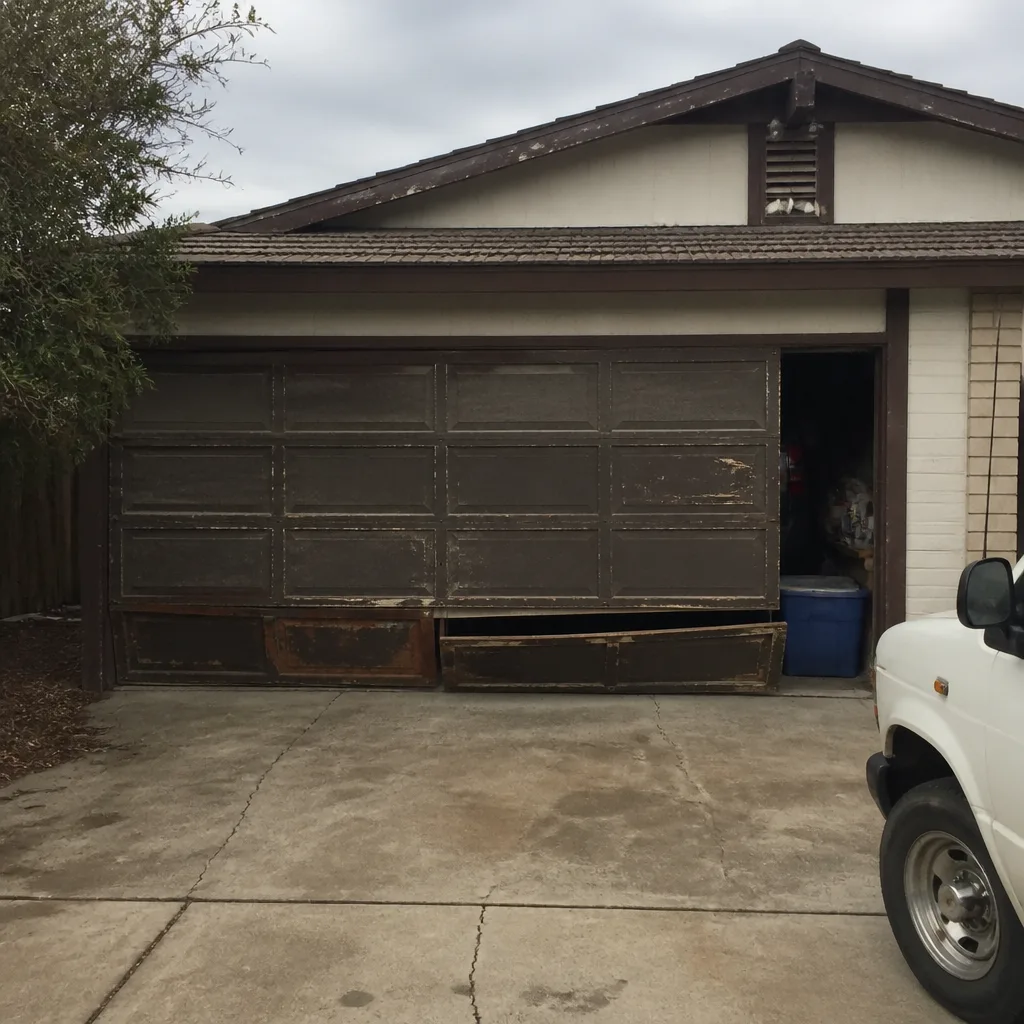 Before
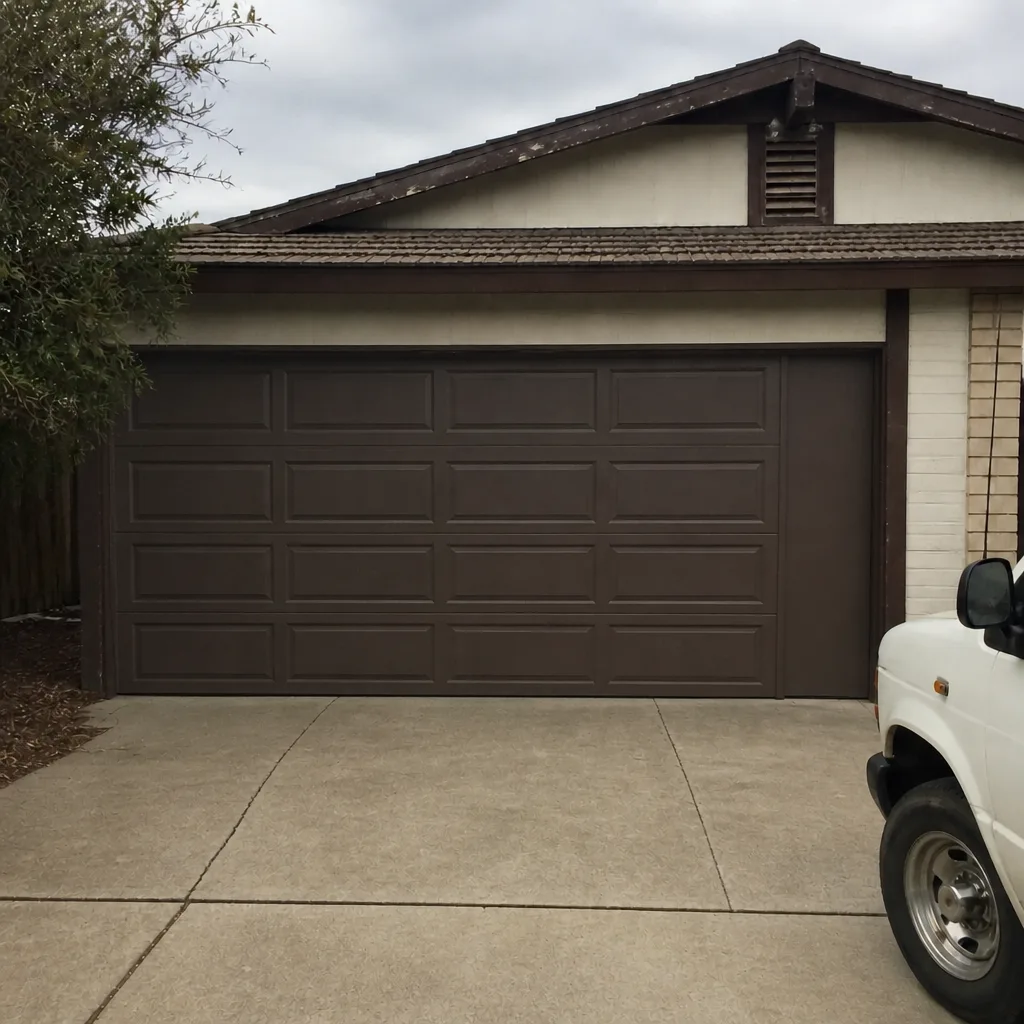 After
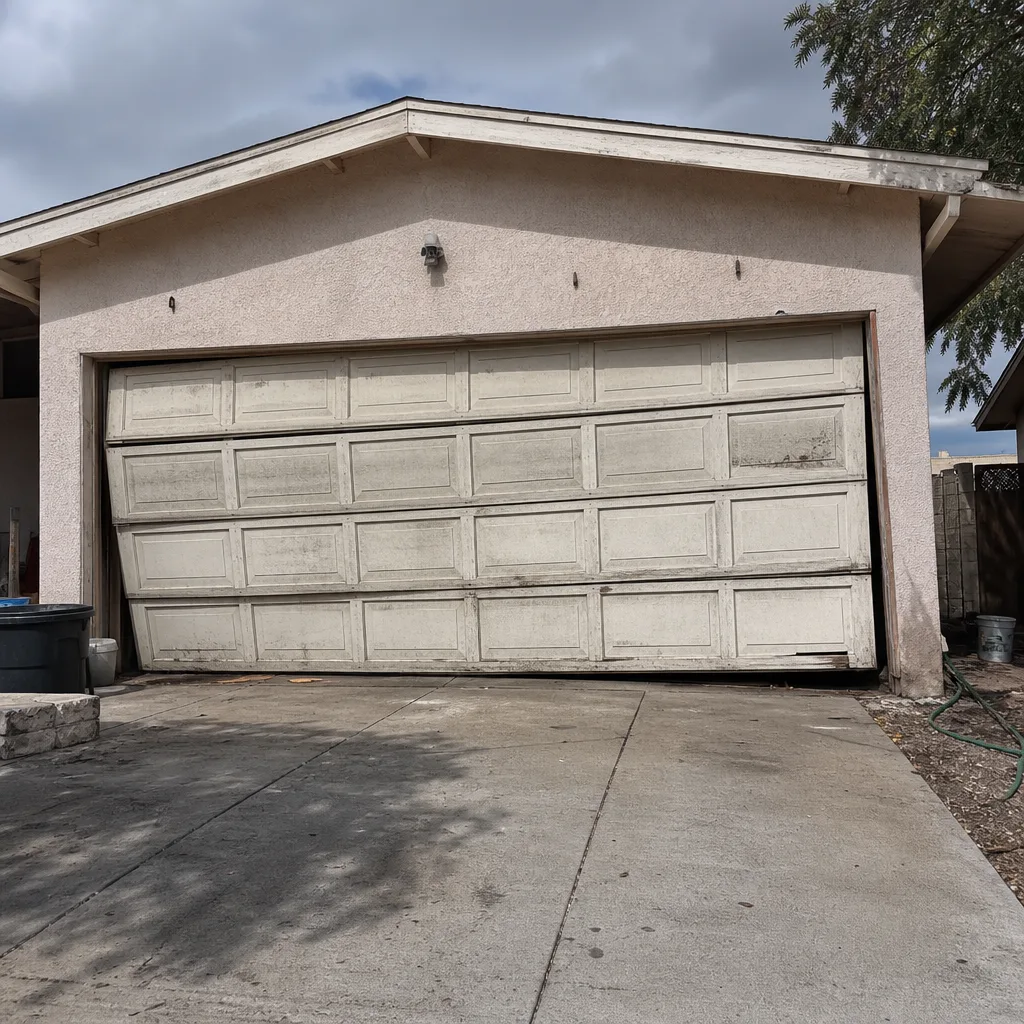 Before
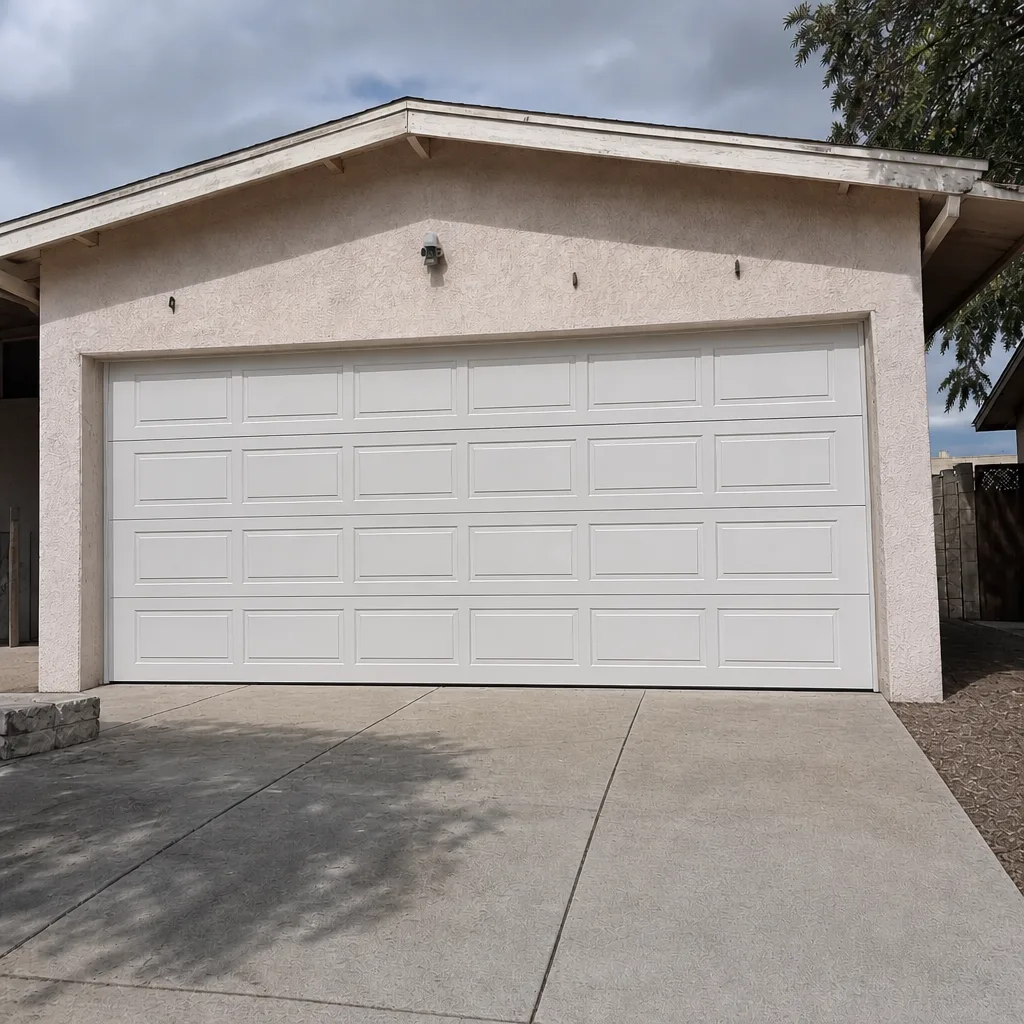 After
Frequently Asked Questions
Every three months in Glendale, not the six months that general advice suggests. The heat here breaks down lubricant faster and the dust works it out of the hinges and rollers sooner, so a quarterly application of white lithium or silicone-based lubricant keeps the moving parts protected. Do a fresh coat in May before the summer heat peaks, and again in October after the monsoon dust season. Call (877) 490-7828 for an exact quote – estimates are free.
White lithium grease or a silicone-based spray, not WD-40. Petroleum-based sprays thin out in desert heat, run off the rollers and hinges, and attract dust that turns into a gritty paste. White lithium and silicone resist heat and stay in place. Use a silicone product on the weatherstripping and bottom seal, since petroleum breaks rubber down faster. Call (877) 490-7828 if you’d like us to lubricate and inspect the whole system.
Run the balance test: open the door, pull the manual release, move it to halfway, and let go. If it holds, the springs are balanced. If it drops or is very heavy to lift, the springs are losing tension and need a professional look. Never try to adjust or replace the springs yourself – they’re under heavy tension and dangerous. Call (877) 490-7828 for a balance and spring check; our technicians have up to 14 years of experience.
Some of it, yes – visual checks, tightening bolts, replacing the bottom seal, and the balance test are safe to do yourself. Springs, cables, and opener wiring should always be a professional call because of the injury risk. The two tasks people skip most, weatherstripping and limit switch calibration, are worth having a technician handle, since getting them wrong can affect your warranty. Call (877) 490-7828 with questions.
Do a visual inspection and clean out the track, then re-lubricate the rollers and hinges. Monsoon dust works into moving parts and acts like sandpaper, so a post-monsoon cleanup in October is part of the calendar for any Glendale home. If the door won’t stay level or you hear new grinding, that’s a call-us point. Call (877) 490-7828 for a post-monsoon inspection. We answer 24/7.
It matters more here than people expect. “Mild” refers to winter only – summers bring extreme heat and thermal swings, and monsoon season brings abrasive dust. That combination wears springs, seals, and openers faster than a stable climate would. A quarterly lubrication habit and a May pre-summer and December technician visit are far cheaper than an emergency spring or opener replacement. Call (877) 490-7828 for a free estimate.
The Bottom Line
A garage door in Glendale doesn’t follow the general maintenance advice you’ll find online. The heat and dust mean quarterly lubrication instead of twice a year, a pre-summer prep in May, a post-monsoon inspection in October, and a mid-winter hardware check in January. Use the right lubricant, run the balance test a few times a year to read your spring’s health, and don’t skip weatherstripping or opener calibration – they protect your warranty as well as your door. The small, scheduled habit costs far less than the emergency repair it prevents. Pearl Garage Door Repair handles both the door and the opener across Glendale, and we’re happy to walk the schedule with you.
Contact Pearl Garage Door Repair for a free estimate on your garage door. Call (877) 490-7828. We answer 24/7. Fast dispatch from 7am to 7pm, Sunday through Friday. Our technicians have up to 14 years of experience and are factory-familiar with LiftMaster, Chamberlain, Genie, Clopay, Amarr, Wayne Dalton, Craftsman, and Raynor. We work on your brand – and on the door and the opener together, so you never need a second company. Visit us in Glendale.
Written by the team at Pearl Garage Door Repair.