
Last updated November 15, 2026
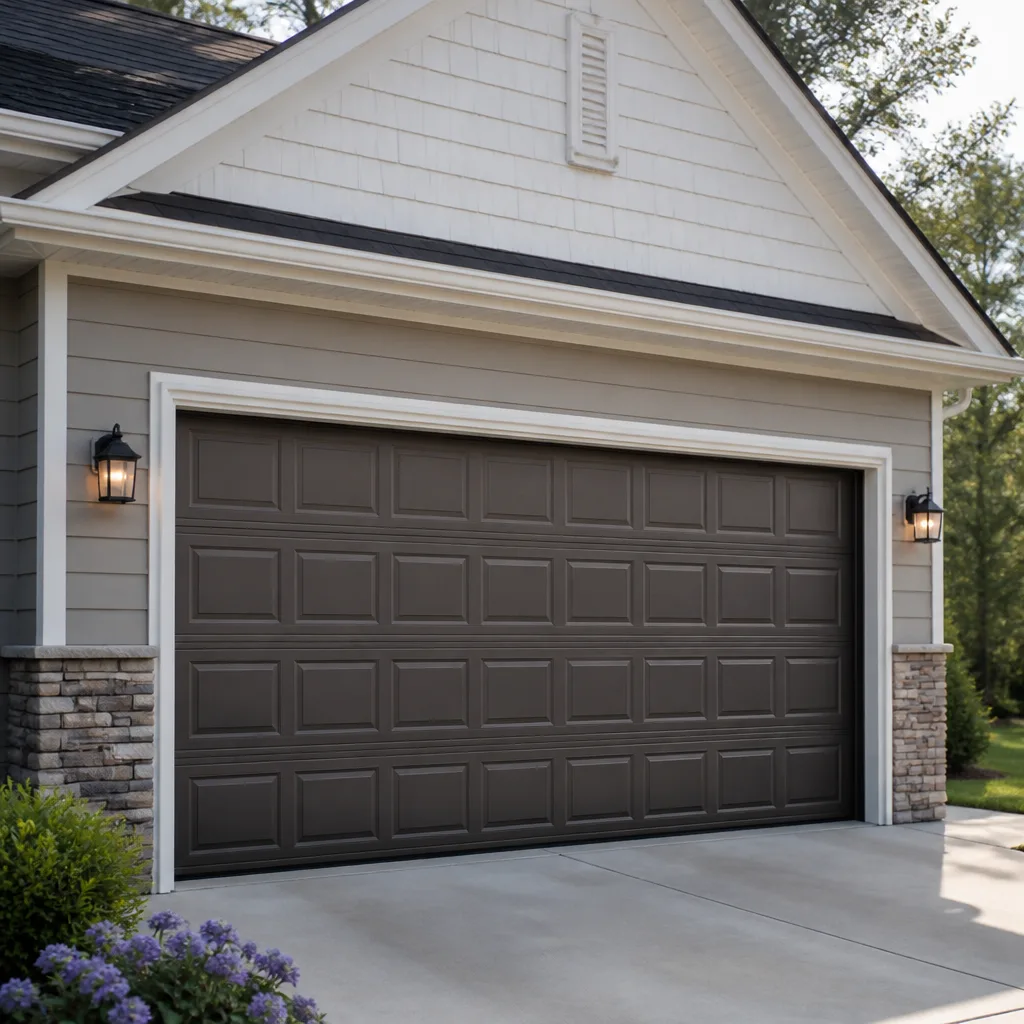 Raised-panel steel
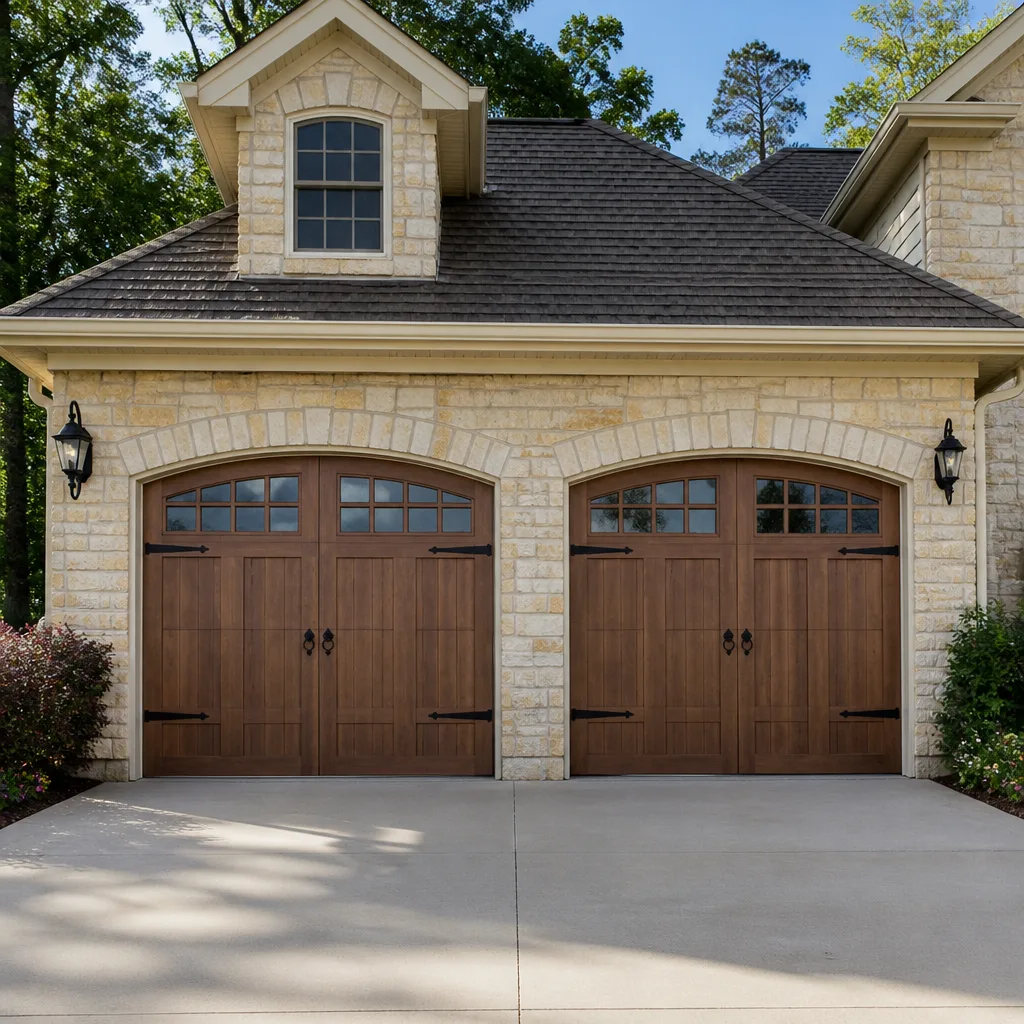 Carriage house
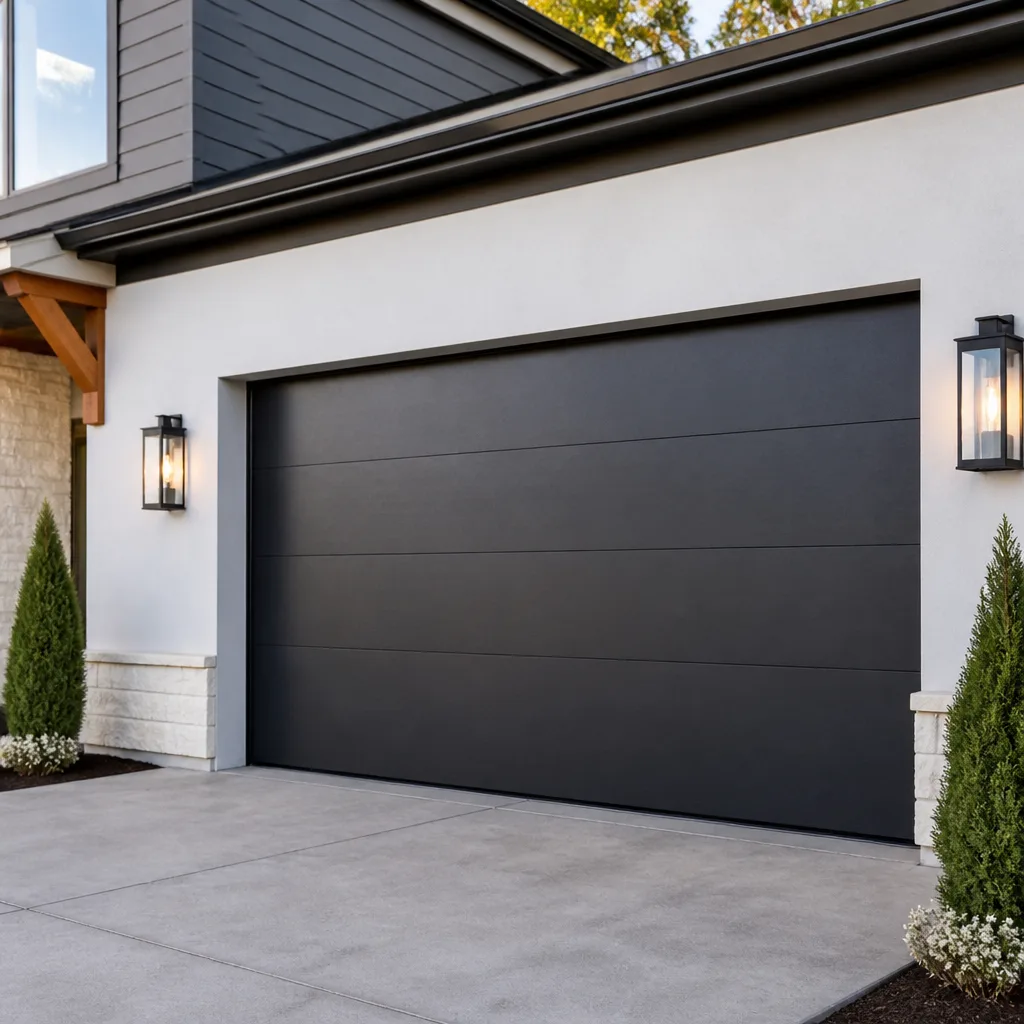 Modern flush
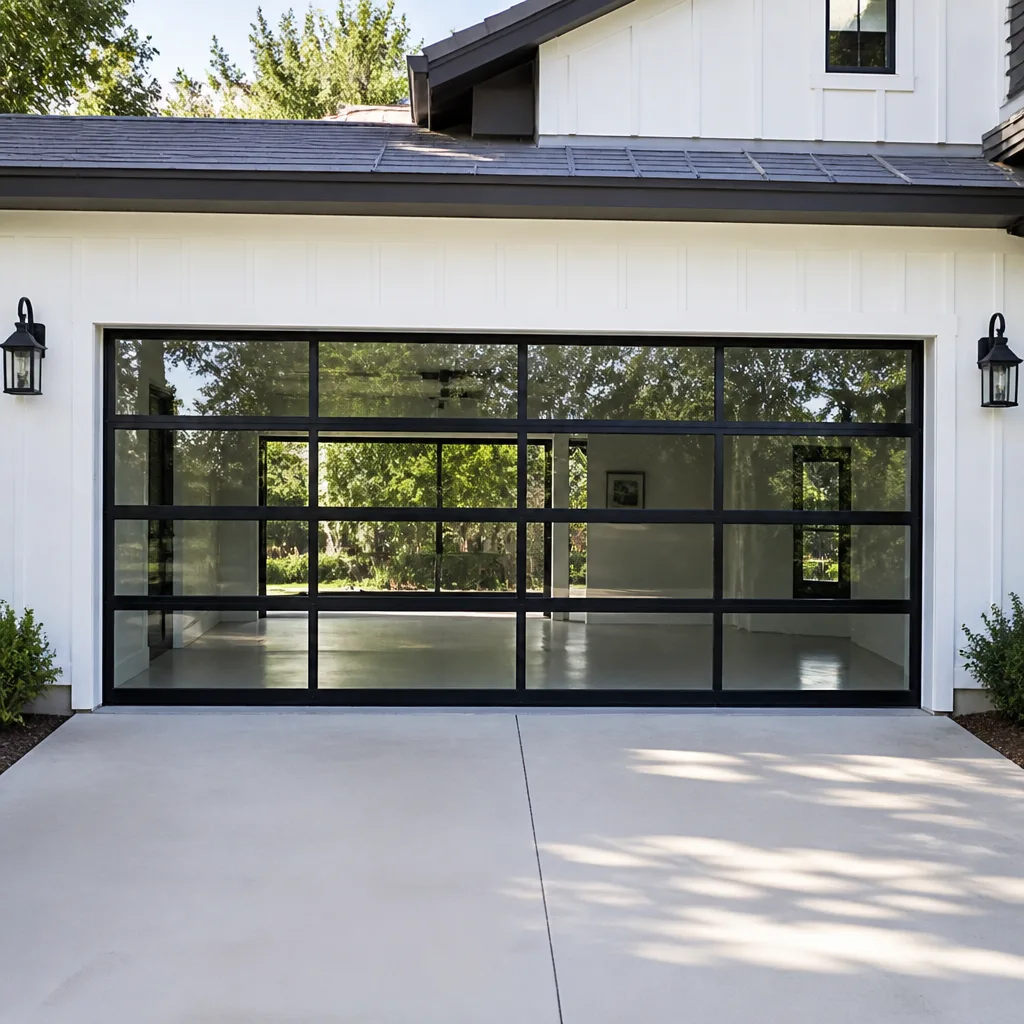 Full-view glass
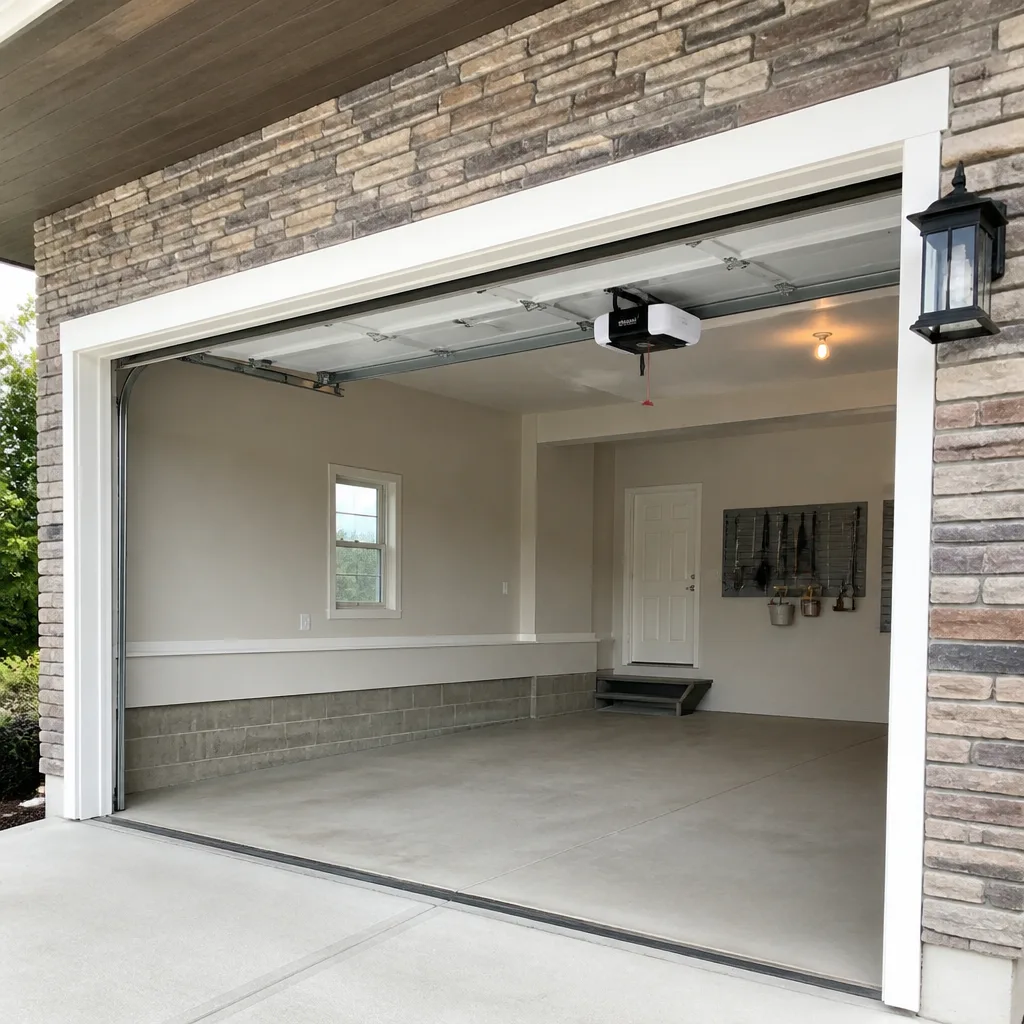 LiftMaster openers
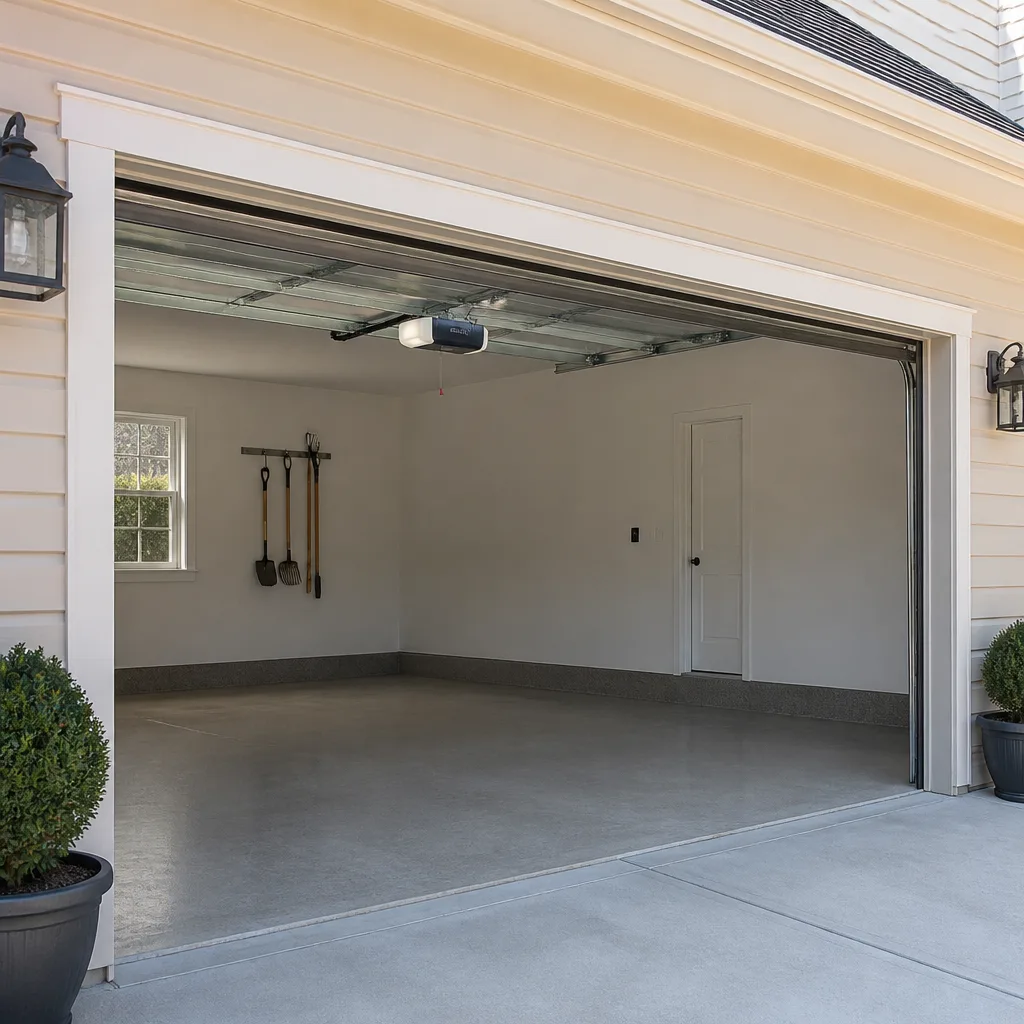 Chamberlain openers
Full 25-point door and opener safety check with every visit - springs, cables, rollers, tracks, and your LiftMaster or Chamberlain opener included
You get a price before we start. It does not change when the pro arrives.
Get your free estimateGarage Door Repair Troubleshooting in Glendale: Common Problems and How to Fix Them
A garage door that stops halfway isn’t the same problem as one that won’t budge at all. Yet most troubleshooting advice treats every failure the same way, which sends homeowners toward the wrong repair from the very first step. That matters in Glendale, where summer heat reshapes how doors behave. In this guide, we’ll walk you through how to read the failure pattern on your door, separate an opener problem from a spring problem, run a manual release test, spot the one cable check that tells you whether a job is safe to touch, and avoid the parts swap that costs the most: replacing an opener when the real culprit is a worn torsion spring.
Quick Answer
Most garage door failures in Glendale trace back to one of four things: a worn torsion or extension spring, a misaligned safety sensor, a track bent by heat expansion, or an opener at the end of its life. The fastest way to tell them apart is a manual release test – pull the red cord, lift the door by hand, and feel what happens. If it’s heavy or won’t stay up, the problem is mechanical and lives in the door, not the opener. If it moves freely, the fault is in the opener or its sensors.
Styles & brands we work with
- Raised-panel steel
- Carriage house
- Modern flush
- Full-view glass
- LiftMaster openers
- Chamberlain openers
Table of Contents
- The Symptom-to-Cause Matrix: Read the Pattern First
- How Glendale Heat Changes Garage Door Behavior
- The Manual Release Test: Opener or Spring?
- Door Opens But Won’t Close: Sensors and Sun Glare
- The Cable Slack Check: Safe to Touch or Not?
- The Misdiagnosis That Costs the Most
- Brand and Model Differences That Change the Fix
- Tracks, Rollers, and Hinges: The Quiet Wear Items
The Symptom-to-Cause Matrix: Read the Pattern First
Start with the symptom, not the part. A door that reverses immediately, a door that hums but doesn’t move, and a door that travels halfway and stops are three different failure modes with three different causes. When we take a garage door repair call in Glendale, the first question we ask is always the same: what exactly did the door do, and what did it sound like?
Here’s the matrix we use to sort symptoms into causes:
- Door hums, doesn’t move: Usually a dead opener capacitor, a stripped gear, or a door that’s too heavy for the opener because a spring has lost tension. The motor runs; the drive train or the door is the failure.
- Door moves a few inches, then reverses: Almost always a safety sensor issue (alignment, obstruction, or direct sun on the photo-eye). Occasionally a force-limit setting that’s too sensitive.
- Door drops fast or slams shut: A broken spring or a snapped cable. Stop using the door and call a professional. This is a safety issue, not a convenience issue.
- Door is crooked, one side lower than the other: A broken spring on one side of a two-spring system, a snapped cable, or a roller that’s jumped its track.
- Door won’t open at all, opener silent: Power, a tripped breaker, a dead remote battery, a locked-out wall console, or a failed logic board.
- Loud bang from the garage, door won’t lift: A torsion spring has broken. This is the single most common catastrophic failure we see, and it’s also the one most often misread as “the opener died.”
Read the pattern before you call anyone. A homeowner who can say “it hums but doesn’t move, and it’s heavy when I lift it by hand” saves a diagnostic step and often a wrong part. Heat in Glendale makes this matrix more useful, not less, because so many of these failures cluster around the same seasonal triggers. We’ll get to that next.
How Glendale Heat Changes Garage Door Behavior
Summers here push past 110°F, and a west-facing garage can run hotter than the outdoor air. That heat does three things to a garage door system, and all three mimic problems that look electrical.
Track expansion. Steel tracks expand in heat. A track that’s tight against the framing in January can bow or pinch by July, and a pinched track makes the door bind, hesitate, or reverse. Homeowners often read this as an opener losing power. It isn’t. The opener is doing exactly what it’s told – the door is resisting, and the opener’s force limit trips.
Spring fatigue. Torsion springs lose tension gradually. A door that was perfectly balanced two summers ago may now be heavy enough that the opener strains to lift it. The symptom shows up as a door that opens slowly, stops partway, or reverses on the way up. Left alone, the extra load wears the opener’s gear and capacitor faster, which is why we see opener failures follow spring fatigue by a season or two.
Lubricant breakdown. Heat cooks the lubricant on rollers, hinges, and the torsion tube. Dry metal on metal adds friction, and friction reads as “the door is sticking.”
None of this means the door is failing because of the heat alone. It means heat accelerates wear that’s already there. A Glendale door that gets a yearly balance and lubrication check tends to skip the mid-summer binding that catches homeowners off guard. If your door binds only on hot afternoons and runs fine in the morning, suspect track expansion first, not the opener.
The Manual Release Test: Opener or Spring?
This is the single most useful test a homeowner can run, and it takes about two minutes. It tells you whether the problem lives in the door (mechanical) or the opener (electrical), which is the fork in the road for every repair decision.
Here’s how it works, in order:
- Close the door and disconnect the opener. Pull the red manual release cord hanging from the opener rail. You’ll hear it click; the door is now disconnected from the drive.
- Lift the door by hand, about halfway. Use the bottom section, lift steadily. Don’t force it.
- Let go at the halfway point. A properly balanced door should stay roughly where you left it, maybe drift a few inches. It should not fall.
- Note what happens. If the door is very heavy, won’t stay up, or drops, the springs are the problem. If it lifts easily and stays put, the springs are fine and the opener or sensors are the fault.
- Reconnect. Pull the cord again or run the opener to re-engage the trolley. If the door is heavy or drops, stop here. Don’t reconnect and don’t run the opener – call a professional.
That last point matters. Running an opener against a door with broken or fatigued springs is how openers get destroyed. The motor is strong enough to force a heavy door a few inches, which strips the gear and can snap a cable under load. If the manual release test tells you the door is heavy, the repair is in the springs, not the opener, and it needs a trained technician. Torsion springs store enormous energy, and the cables and drums attached to them are under that same tension. This is not a job for a homeowner with a YouTube video.
Door Opens But Won’t Close: Sensors and Sun Glare
A door that opens fine but reverses the moment it starts to close is almost never a mechanical problem. Nine times out of ten it’s the safety sensors – the two small photo-eyes mounted near the floor on each side of the door. They’re doing their job: something is breaking the beam, or the beam isn’t reaching the receiver.
In Glendale, the culprit is often the sun. A west-facing garage gets direct afternoon light straight into the receiving eye, and the sensor can’t tell sunlight from the beam it’s supposed to read. The door reverses because the safety system thinks something is in the way. You’ll notice this pattern clearly: the door closes fine in the morning and refuses in the late afternoon.
Here’s the order to check:
- Look at the sensor LEDs. Most sensors have a small indicator light. A steady light on both means they’re aligned and powered. A flickering or dark light means a problem.
- Check for obstruction. Cobwebs, dust, a leaf, a stored item nudged into the beam path. Wipe the lenses.
- Check alignment. The two eyes should point at each other. A bump from a broom or a garbage can knocks them out of line easily.
- Check the sun angle. If the problem only happens in late afternoon and your garage faces west, sun glare is likely. A small shield or a repositioned sensor bracket usually solves it. That’s a job worth doing properly – a sensor that’s moved but not re-aimed just moves the problem.
- Check the wiring. A sensor wire that’s been pinched or chewed will cause intermittent failures that look like alignment problems.
If the sensors are aligned, clean, and lit, and the door still reverses, the problem has moved into the opener’s logic or force settings. That’s where a technician’s diagnostic tools earn their keep. If you’d rather not chase it further, our garage door opener repair team can sort it out and confirm the sensors are set correctly.
The Cable Slack Check: Safe to Touch or Not?
This is the one visual check that tells you whether a problem is safe to investigate yourself or needs a professional immediately. It takes ten seconds and requires no tools.
Stand inside the garage, door closed, and look at the two steel cables that run from the bottom corners of the door up along the tracks to the drums above. On a healthy door, both cables are taut, straight, and under tension. Here’s what you’re looking for:
- Taut cables on both sides: Normal. The cables are doing their job.
- One cable noticeably looser than the other: A problem. Slack means the door has lost tension on one side, which usually points to a fatigued spring on that side or a cable that’s come off its drum.
- A cable hanging free or coiled at the bottom: Stop. Don’t run the door. A cable that’s come off its drum can whip when tension releases, and it can do serious injury.
- Frayed strands or a kink in the cable: Replace it. A damaged cable is a failure waiting to happen.
If you see slack, fraying, or a free cable, close the door if it’s safe to do so and call a professional. Do not try to re-seat a cable on its drum, and do not cut a cable to release tension. The cables on a garage door carry the full weight of the door plus the spring tension behind it. A trained technician uses specific tools to release and re-set that tension safely.
If the cables are taut and even and the door is still misbehaving, the problem is elsewhere, and it’s usually safe to keep reading the symptoms. Cable slack is the line. On one side of it, you can troubleshoot. On the other, you call.
The Misdiagnosis That Costs the Most
Replacing an opener when the real culprit is a worn torsion spring is the most expensive mistake we see in Glendale. It happens because the symptoms overlap: the door won’t open, the opener runs or hums, and the homeowner assumes the motor is the problem. The motor is often the only part that’s still working.
Here’s how the chain usually goes. A torsion spring loses tension over time. The door gets heavier. The opener works harder to lift it. Eventually the opener’s gear strips or its capacitor fails under the extra load. The homeowner sees a dead opener, replaces it, and the new opener fails the same way within a season – because the spring was never the thing that got fixed.
Two more common misdiagnoses worth knowing:
- Replacing sensors when the problem is the logic board. If the sensors are clean, aligned, and lit but the door still reverses, a new set of sensors won’t help. The board that reads them is the fault.
- Replacing rollers when the problem is the track. Worn rollers make noise, but a bent track makes the door bind. New rollers on a bent track just wear faster.
The manual release test is your defense against all three. If the door is heavy by hand, the problem is mechanical, and no amount of opener or sensor replacement will fix it. If the door is balanced and light but the opener won’t run, the problem is electrical. Get that fork right and you skip the parts swap entirely.
This is why we diagnose before we recommend. A Pearl Garage Door Repair technician tests the door by hand, checks the springs, and confirms the opener’s actual behavior before proposing any part. Replacing an opener that didn’t need replacing isn’t a sale – it’s a callback waiting to happen.
Brand and Model Differences That Change the Fix
Garage door systems from different manufacturers fail in slightly different ways, and knowing the brand on your home shortens the diagnostic. We’re factory-familiar with eight of the most widely installed brands: LiftMaster, Chamberlain, Genie, Clopay, Amarr, Wayne Dalton, Craftsman, and Raynor.
That breadth matters in a market like Glendale, where homes built across several decades carry a mix of equipment. A Wayne Dalton door from one era has different spring and track characteristics than a newer Amarr door. A Craftsman opener has different logic-board behavior than a Genie. When a homeowner tells us the brand and roughly the door style, we already have a shortlist of likely causes before we arrive.
Two examples of how brand knowledge changes the fix:
- Opener logic differences. LiftMaster and Chamberlain openers share a lot of design, but their safety-reverse behavior and force-limit calibration differ from Genie’s. A door that reverses on close might need sensor alignment on one and a force adjustment on the other.
- Spring and door-weight differences. Doors from Clopay, Amarr, Wayne Dalton, and Raynor all vary in weight and balance for the same nominal size. That changes which spring you need and whether a door that feels “heavy” is actually out of balance or just a heavier model that was always that way.
We’re brand-agnostic on purpose. We work on what’s already on your home and recommend based on what fits it, not on which manufacturer we’d rather sell. If you’re not sure what you have, the brand is usually stamped on the opener’s motor housing or on a label inside the door’s top section.
Tracks, Rollers, and Hinges: The Quiet Wear Items
Tracks, rollers, and hinges don’t fail dramatically. They wear quietly, and the symptoms they produce get blamed on the opener more often than any other part. A door that rattles, hesitates, or runs louder than it used to is usually telling you about wear in these components, not about a motor problem.
What to check, and what each symptom means:
- Rollers: Nylon rollers wear flat spots; steel rollers wear and rust. A flat-spotted roller makes the door thump at the same point in its travel every time. That rhythmic thump is a roller, not an opener.
- Hinges: The hinges between sections take the most flex. Loose or worn hinges let sections shift, which makes the door bind and the opener work harder. A hinge that’s pulling away from the door is worth fixing before it tears the panel.
- Tracks: Dents, bends, and heat expansion all cause binding. A track that’s out of plumb makes the door drift to one side as it travels. Tracks are structural – a bent track should be repaired or replaced, not hammered back into shape.
- Lubrication: A dry torsion tube, dry rollers, and dry hinges all add friction. In Glendale heat, lubricant breaks down faster than in cooler climates, so a yearly lubrication is worth doing.
A simple test: open the door by hand (after the manual release) and listen. A well-maintained door is quiet and smooth. A door that groans, thumps, or hesitates is telling you which part is worn. If you can’t isolate the noise, a technician can usually pinpoint it in minutes. This is the kind of maintenance that keeps a Glendale door out of the emergency-call category.
Common Mistakes to Avoid
- Assuming the opener is the problem before running the manual release test. A heavy door by hand means the springs are the fault. Replace the opener without fixing the springs and you’ll replace it again.
- Running the door with a broken spring. Every cycle forces the opener to lift a door it wasn’t designed to lift. That’s how gears strip and cables snap.
- Re-seating a cable on its drum by hand. Cables carry full door weight plus spring tension. This is the single most dangerous DIY mistake on a garage door.
- Adjusting the force limit to compensate for a heavy door. Turning up the force just makes the opener force harder against a problem that’s still there. It masks the symptom and accelerates wear.
- Ignoring the west-facing sun-glare pattern. If the door only fails to close in the late afternoon, it’s the sensors reading sunlight, not a failing opener. A repositioned or shielded sensor fixes it.
- Skipping lubrication because the door “still works.” In Glendale heat, dry rollers and hinges add friction that wears the opener and the springs faster. A yearly lube is cheap insurance.
- Replacing one spring of a matched pair. Springs on a two-spring door wear together. Replacing one leaves the other near the end of its life, and the door comes out of balance.
See the difference
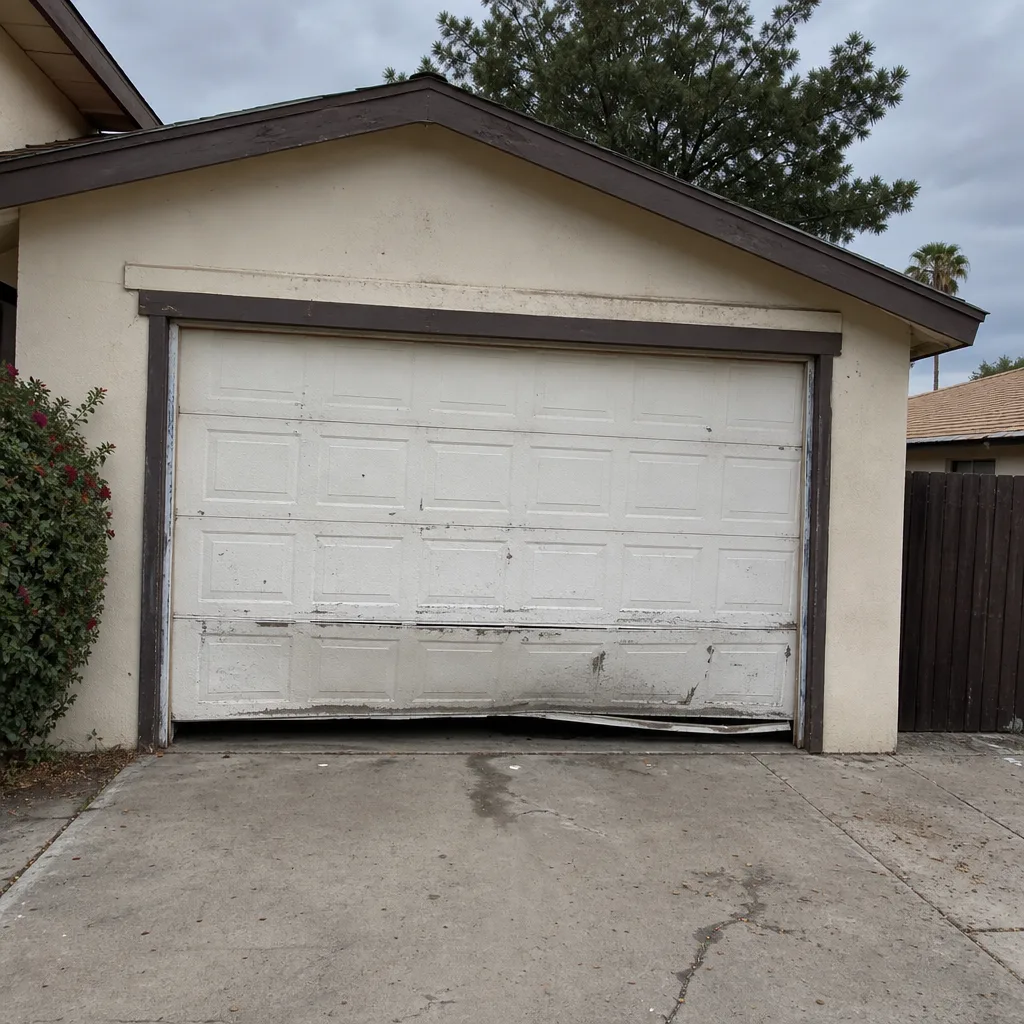 Before
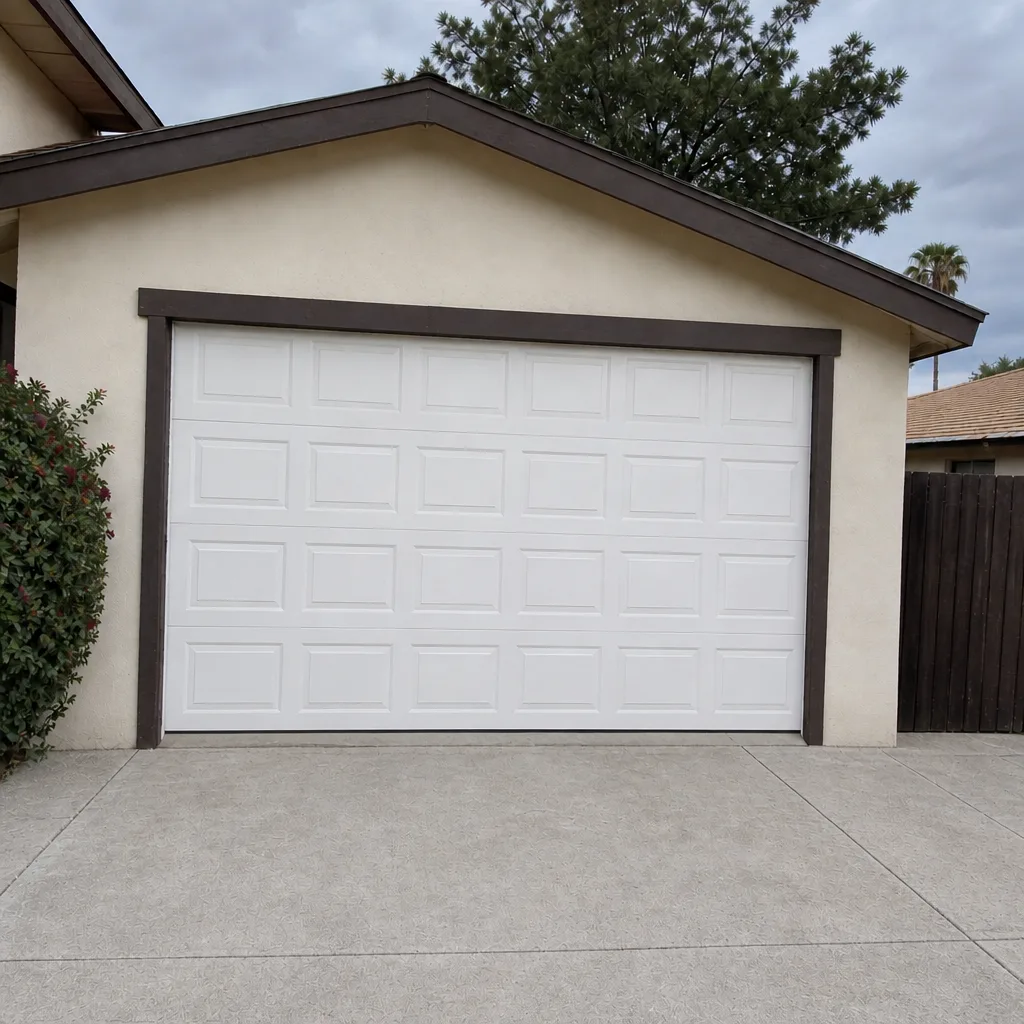 After
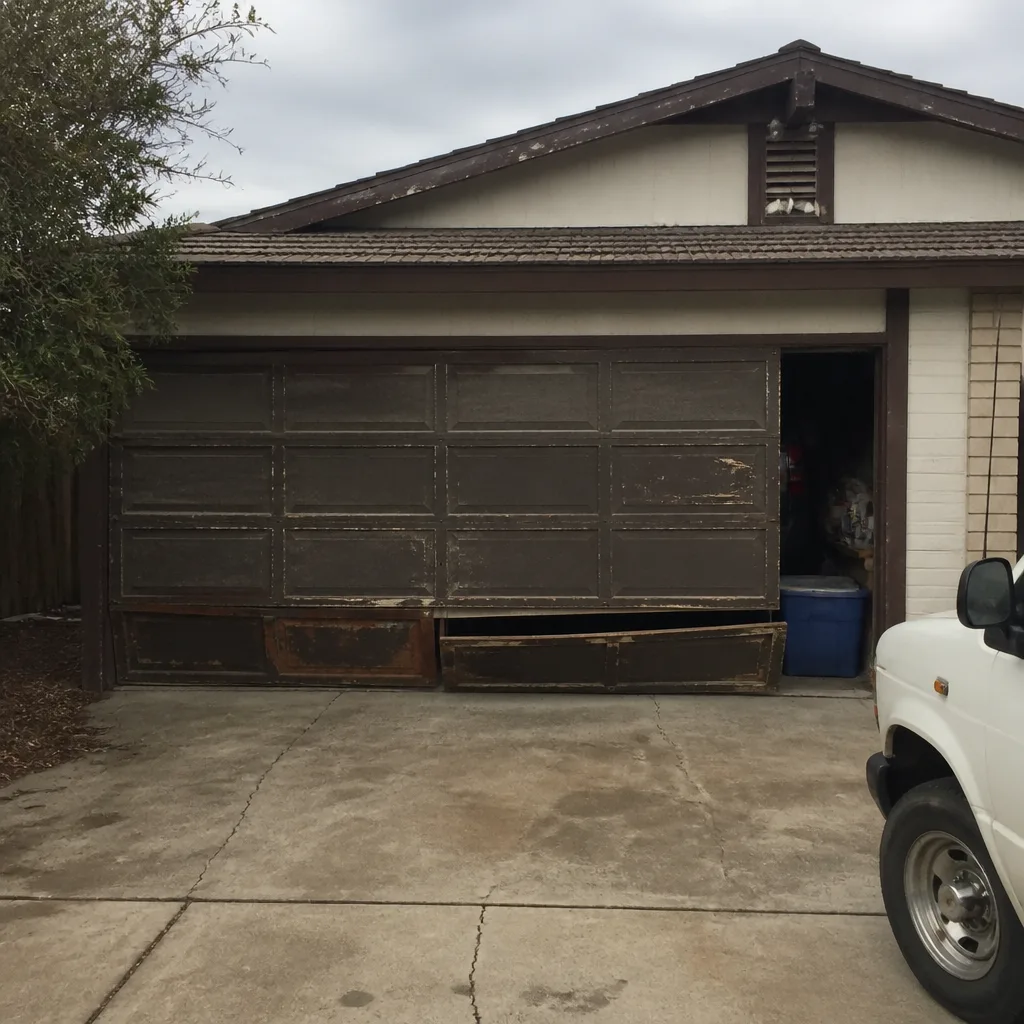 Before
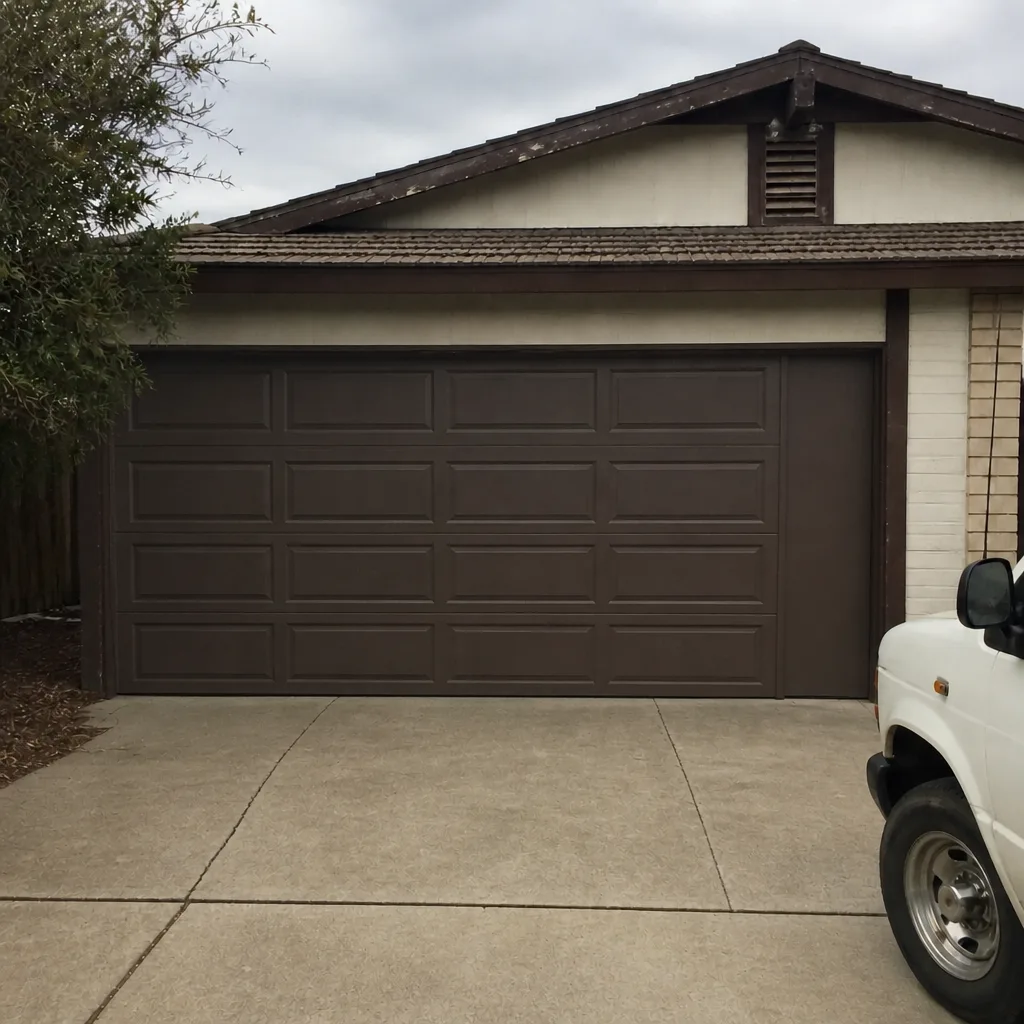 After
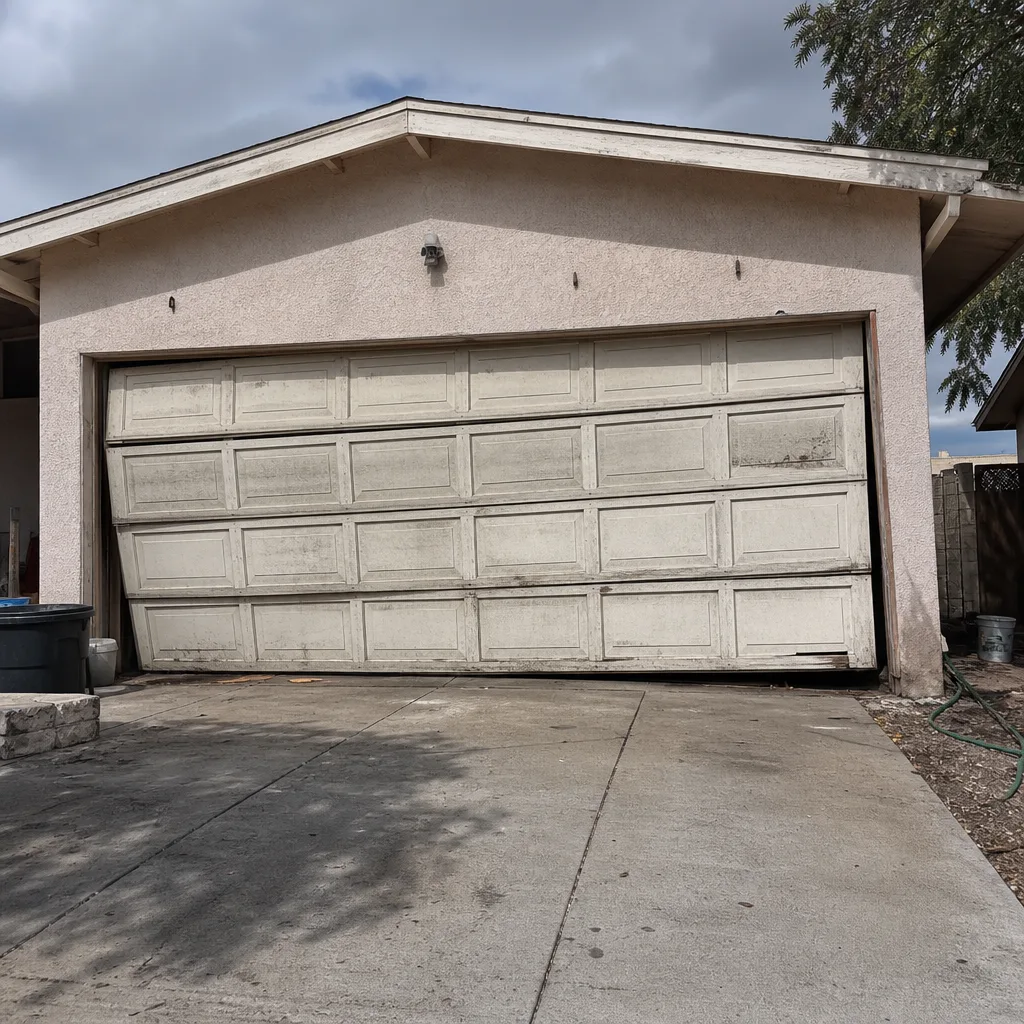 Before
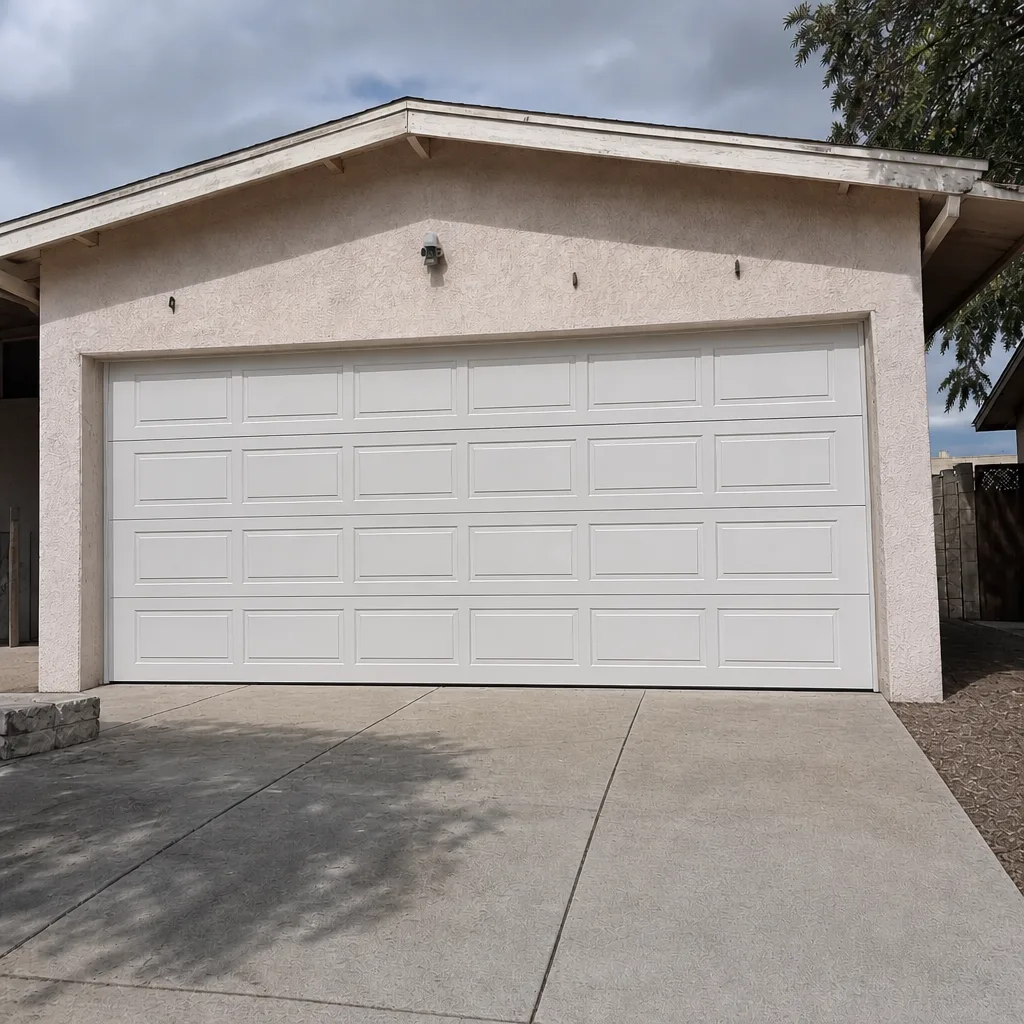 After
When to Call a Professional
Call a professional immediately if the door drops fast, if you see slack or a free cable, if the door is very heavy to lift by hand, or if you hear a loud bang from the garage and the door won’t lift. These are spring and cable failures, and they carry real injury risk. Call a technician soon, though not urgently, if the door reverses on close despite clean and aligned sensors, if it binds only on hot afternoons, if it’s crooked in its tracks, or if the opener hums without moving the door. Those are diagnosable and fixable, but they’re not DIY-safe. Pearl Garage Door Repair offers free estimates in Glendale – call (877) 490-7828. We answer 24/7, with fast dispatch from 7am to 7pm, Sunday through Friday. Every price is quoted and agreed before any work starts, and we’re licensed and insured.
Frequently Asked Questions
Sun glare on the safety sensors is the most likely cause, especially on a west-facing garage in Glendale. Direct afternoon sunlight can overwhelm the receiving photo-eye, so the door reads it as an obstruction and reverses on close. Clean the sensor lenses, check that both indicator lights are steady, and if the problem only happens in the late afternoon, reposition or shield the sensor bracket. If the sensors are clean and aligned and the door still reverses, the fault is usually in the opener’s logic board or force settings. Call (877) 490-7828 for an exact diagnosis – estimates are free.
Pull the red manual release cord and lift the door by hand. If it’s heavy, won’t stay up, or drops, the springs are the fault. If it lifts easily and stays roughly where you leave it, the springs are fine and the opener or sensors are the problem. This one test prevents the most common and most expensive misdiagnosis in Glendale, which is replacing an opener when the real culprit is a fatigued torsion spring. If the door is heavy, don’t reconnect and don’t run the opener. Call (877) 490-7828 – we answer 24/7 and can book a technician with fast dispatch from 7am to 7pm, Sunday through Friday.
Yes, in two specific ways. Summer heat causes steel tracks to expand, which can pinch or bow a track that was fine in cooler months, making the door bind and the opener’s force limit trip. Heat also accelerates spring fatigue and breaks down lubricant on rollers and hinges, so the door gets heavier and noisier over time. Neither failure is dramatic until it is. A yearly balance and lubrication check keeps a Glendale door out of the mid-summer binding pattern that catches most homeowners by surprise.
No. Torsion springs store enormous energy, and the cables and drums attached to them are under that same tension. Releasing or re-setting that tension without the right tools and training can cause serious injury. If you hear a bang from the garage and the door won’t lift, keep everyone clear and call a professional. A trained technician releases the tension safely and replaces the spring – and if it’s a matched pair, replaces both, because springs on a two-spring door wear together.
A hum without movement usually means the motor runs but the drive train or the door is the failure. The most common causes are a dead opener capacitor, a stripped gear in the opener, or a door that’s too heavy for the opener because a spring has lost tension. Run the manual release test first. If the door is heavy by hand, the springs are the real problem and the opener is just the messenger. If the door is light and balanced, the fault is inside the opener. Call (877) 490-7828 for a free estimate and we’ll sort out which before any part gets ordered.
No. The written estimate sets the price, and that price is quoted and agreed before any work starts. What a technician might find is that the problem is different from what you described – for example, a suspected opener failure that turns out to be a worn spring. In that case, we’ll explain what we found and quote the correct repair rather than proceeding with the original one. You’ll always know the price before the work begins. Call (877) 490-7828 for a free estimate.
The Bottom Line
Read the failure pattern before you call anyone. A door that hums but doesn’t move, a door that reverses on close, and a door that drops fast are three different problems with three different fixes, and the manual release test is what separates them. In Glendale, heat adds a seasonal layer: tracks expand, springs fatigue, and lubricant dries out, and all three mimic problems that look electrical. The cable slack check is your safety line – if a cable is loose, frayed, or free, stop and call a professional. Avoid the openers-for-springs swap, and you’ll fix the right thing the first time.
Where Pearl Garage Door Repair Fits
We work on the door and the opener together, which is where most problems actually live. Our technicians have up to 14 years of experience and are factory-familiar with LiftMaster, Chamberlain, Genie, Clopay, Amarr, Wayne Dalton, Craftsman, and Raynor. That means we diagnose the system, not just the symptom, and we recommend based on what fits your home rather than which brand we’d rather sell. Whether you’re in Glendale and need a spring replaced or you’re weighing a full new installation, it’s one call and one company.
Call (877) 490-7828 for a free estimate. We answer 24/7, with fast dispatch from 7am to 7pm, Sunday through Friday. Estimates are free, the price is quoted and agreed before any work starts, and we’re licensed and insured.
Written by the team at Pearl Garage Door Repair.